704.228.7788
 704.228.7788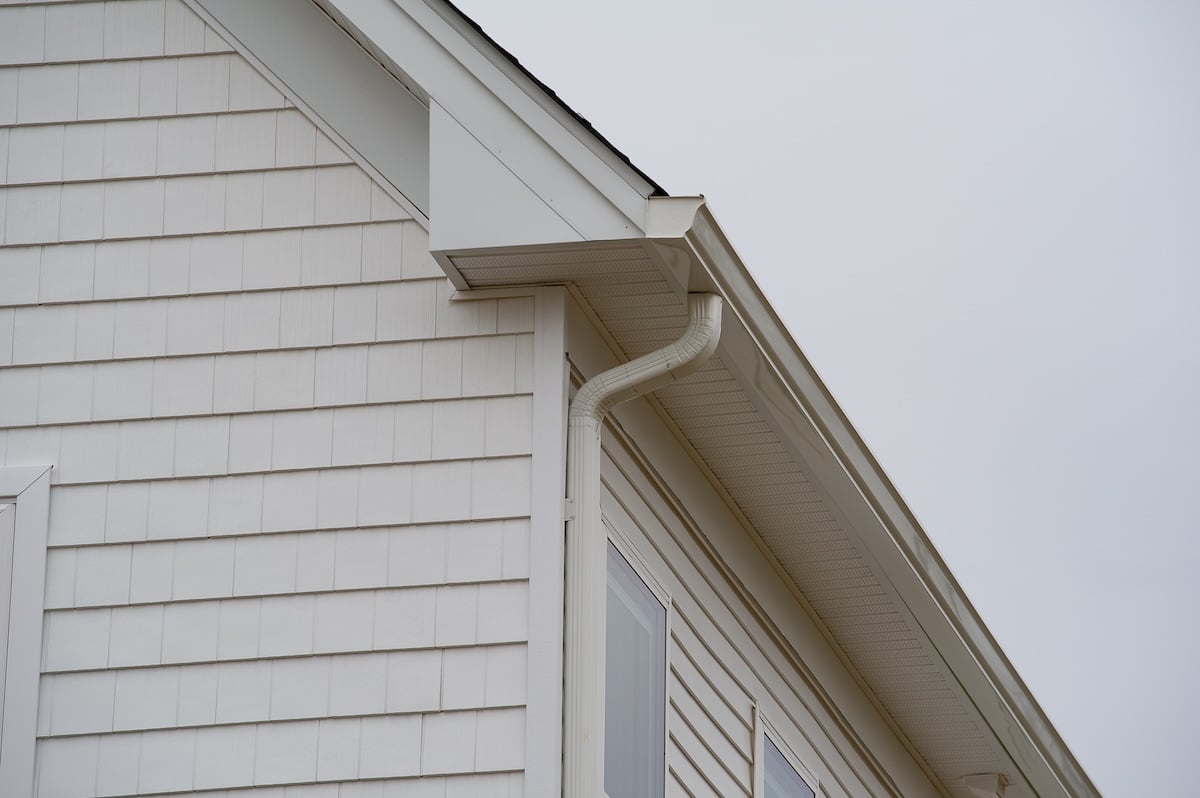
 10/21/2025
 9 minutes Read
Different types of gutters play a crucial role in protecting your roof and home from storm damage. Gutters channel water away from your roof, siding, and foundation, preventing costly issues like leaks, erosion, and structural damage. For homeowners in Davidson and surrounding areas, choosing the right gutter system makes all the difference when preparing for severe weather.
- Improves water management: Gutters ensure rainwater flows safely away from your home.
- Prevents foundation issues: Redirecting water keeps your foundation strong and secure.
- Extends roof lifespan: A well-designed gutter system protects shingles, flashing, and roof decking.
Why Gutters Are Essential During Storm Season
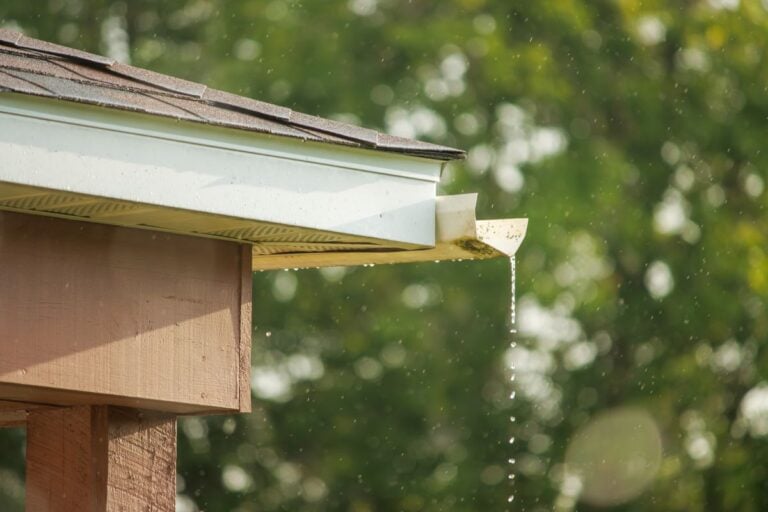
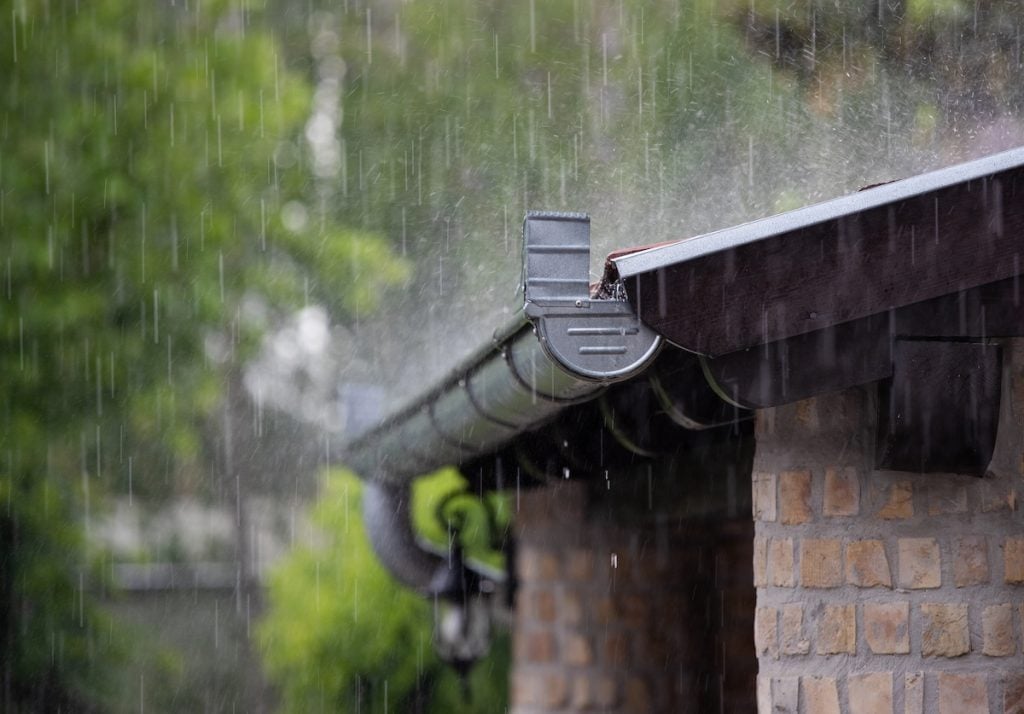
Heavy rainfall is one of the biggest threats to a roof. Without properly functioning gutters, water can pool along the roofline, seep into shingles, and cause leaks inside the home. In addition, clogged or poorly designed gutters allow water to overflow, leading to soil erosion, siding stains, and even basement flooding. Installing the right gutter system ensures that your roof is storm-ready and capable of handling heavy downpours common in North Carolina.
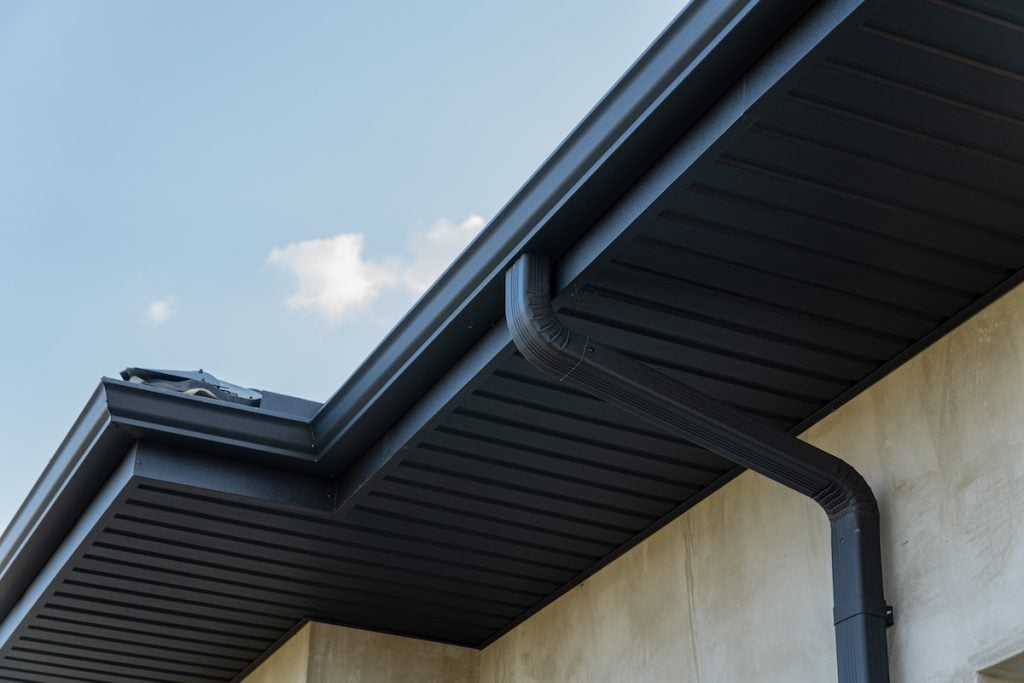
5 Types of Gutters That Offer Reliable Protection
Each gutter system comes with its own advantages. Here are the top types of gutters homeowners should consider before storm season:
- K-Style Gutters: One of the most popular options, these gutters have a flat back and decorative front that resembles crown molding. They can handle large volumes of water, making them ideal for storm-heavy climates.
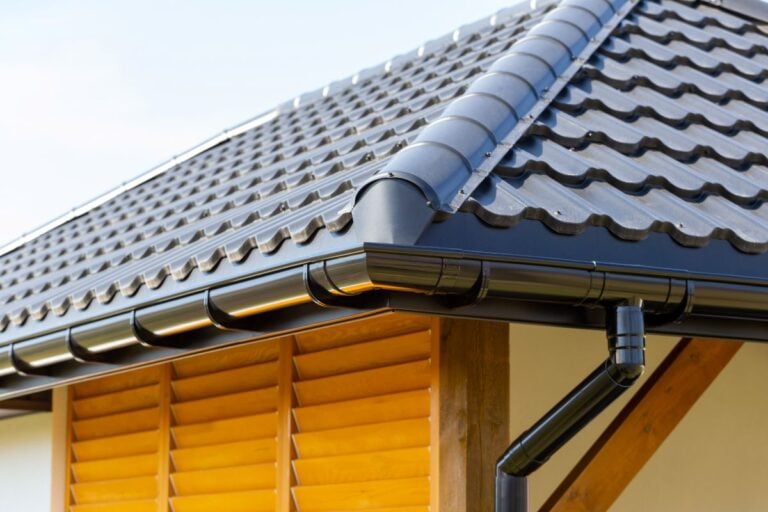
- Half-Round Gutters: Known for their classic look, these gutters have a semicircular shape that efficiently directs water away from the roof. While less common, they’re perfect for historic or traditional-style homes.
- Box Gutters: Built directly into the roof’s edge or overhang, box gutters offer a seamless look and strong water capacity. They are often used on larger homes or commercial properties.
- Seamless Gutters: Unlike traditional sectional gutters, seamless gutters are custom-fitted to your home, reducing leaks and improving durability during heavy storms.
- Copper Gutters: Beyond their eye-catching appearance, copper gutters are extremely durable and resist rust. They can last for decades with proper care, making them a strong long-term investment.
Choosing the Right Gutter Material
Along with the type of gutter, material selection directly affects how often you’ll deal with repairs, leaks, and water damage over the next 20 to 40 years. The right choice depends on your budget, how long you plan to own the property, your climate, and how much maintenance you’re willing to do. Below are the three materials we install most often and where each one makes the most sense.
Aluminum Gutters
Aluminum is the most common gutter material we install, and for good reason. It’s lightweight, affordable, and resistant to rust, which makes it a strong fit for most homes in the Davidson area.
Lifespan: 20 to 30 years when installed and maintained correctly
Pros:
- Cost-effective, even on larger homes
- Naturally rust-resistant
- Works with seamless fabrication for fewer leak points
- Available in a wide range of colors to match your trim
- Compatible with virtually any roofing system
Cons:
- Dents more easily than steel under hail or falling debris
- Not the best choice for homes with extremely high water volumes off the roof
- Can be damaged by repeated ladder traffic during cleaning
Best for: Most single-family homes with moderate rainfall loads and budget-conscious homeowners.
Galvanized Steel Gutters
Steel is the workhorse material for homes that take a beating from weather, tree debris, or hail. It’s stronger than aluminum and holds up well in heavy storms, though it requires more attention to avoid rust.
Lifespan: 20 to 25 years typical; heavier-gauge stainless steel can push past 50 years with proper maintenance
Pros:
- Excellent dent resistance in high-impact environments
- Handles heavy water volumes without buckling
- Tolerates roof traffic and ladder use better than aluminum
- Strong long-term value for homeowners staying put for decades
Cons:
- Heavier material, which increases installation labor cost
- Galvanized coating can corrode at cut edges or anywhere it’s damaged
- Requires more regular inspection and touch-up than aluminum
Best for: Homes under heavy tree cover, properties in hail-prone areas, and homeowners who want maximum impact resistance.
Copper Gutters
Copper is the longest-lasting gutter material available and a premium choice for homeowners who want their gutters to be part of the home’s curb appeal. A properly installed copper gutter system can last 60 to 100 years.
Lifespan: 60 to 100 years
Pros:
- The longest-lasting gutter material on the market
- Develops a natural patina that many homeowners consider a design feature
- Requires virtually no ongoing maintenance
- Doesn’t rust and needs no protective coatings
- Handles humidity, salt air, and acidic conditions better than other metals
- Can increase appraised value on architecturally significant homes
Cons:
- Material cost is 3 to 4 times higher than aluminum
- Impractical for budget-conscious installations
- Requires specialized installation expertise, including proper soldering
Best for: Historic homes, architect-designed properties, and homeowners planning to stay in the home for the long haul who want a gutter system that outlasts the roof itself.
How to Choose the Right Material for Your Home
No single material is right for every home. The best fit depends on a handful of factors:
- Budget: Aluminum for cost-conscious installs, copper for premium projects
- Ownership timeline: If you’re staying 20+ years, stepping up to steel or copper often pays off
- Climate and exposure: Hail, heavy tree cover, and high rainfall favor steel
- Architectural style: Historic and high-end homes often warrant copper
- Roof water volume: Larger roof areas push toward heavier-gauge materials
- Maintenance capacity: Aluminum and copper are the most forgiving; steel needs the most attention
Commercial Gutter Material Considerations
The same three materials are also the go-to choices for commercial buildings, but the decision-making changes when you’re protecting a warehouse, office building, church, or industrial facility. Commercial roofs shed far more water than residential ones, and a gutter failure can disrupt tenant operations, damage inventory, or compromise structural integrity.
- Aluminum remains the most cost-effective option for large commercial installations with moderate water volumes, especially when seamless fabrication is a priority.
- Galvanized steel is the standard for warehouses, industrial facilities, and any structure with heavy water volumes, debris loads, or regular roof traffic. Heavier gauges, paired with premium coating systems like GAF, extend service life significantly.
- Copper is reserved for architecturally significant commercial properties — historic buildings, churches, universities, municipal structures, and architect-designed commercial spaces where the gutter is part of the building’s visual identity and long-term value.
If you’re a commercial property owner weighing material options, the decision should be driven by building type and use, roof area, ownership timeline, architectural significance, and how the new system integrates with your existing roofing. Roof Medic offers commercial gutter consultations that include honest material recommendations, warranty coordination, and workmanship guarantees.
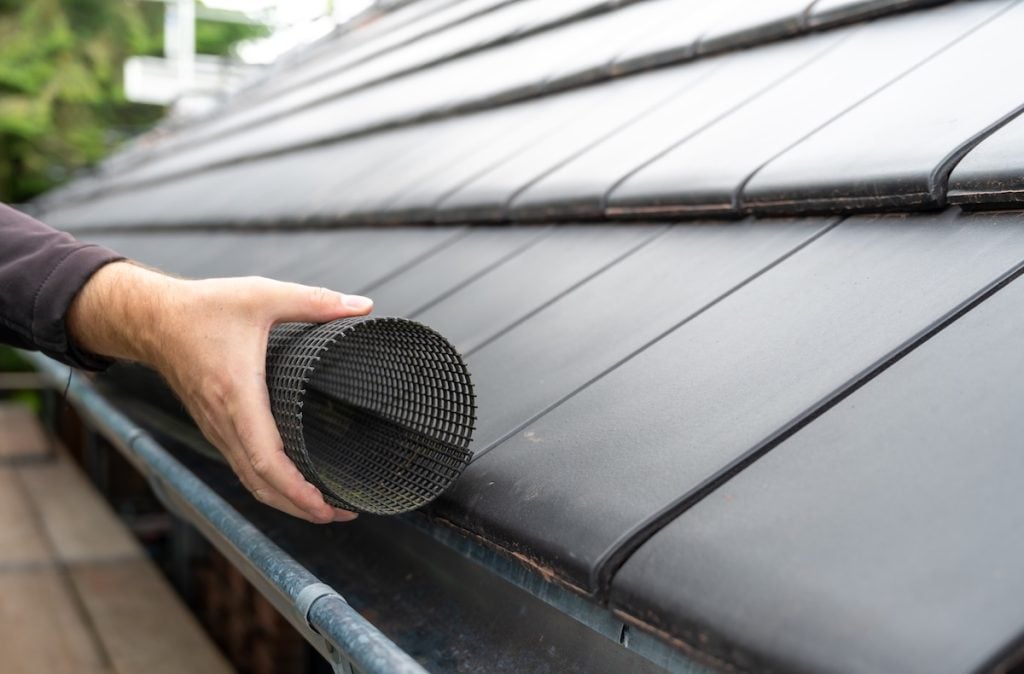
The Role of Gutter Guards
Even the best gutter system won’t work effectively if it’s clogged with leaves and debris. Gutter guards act as a protective screen, allowing water to flow through while blocking buildup. This extra layer of protection ensures your gutters are always ready when storms hit.
Signs Your Gutters Need Attention
Storm season can put your gutter system to the test. Look for these warning signs that repairs or replacement may be needed:
- Overflowing water: Indicates blockages or undersized gutters.
- Sagging sections: Show that fasteners are loose or the gutters are weighed down.
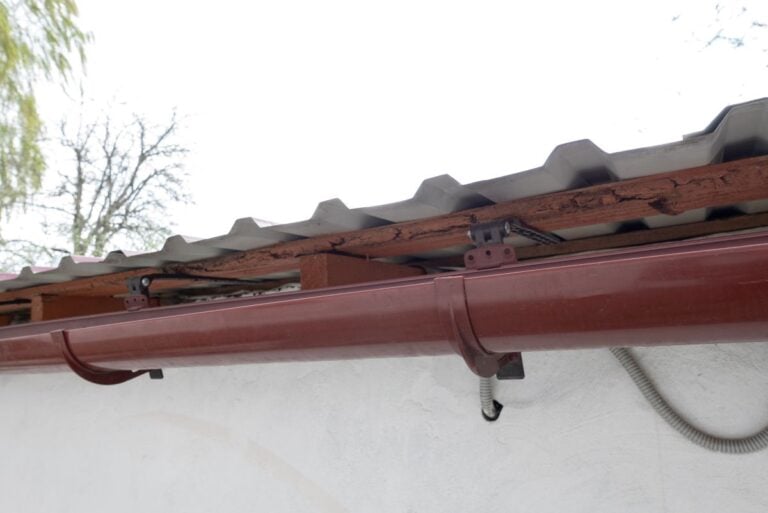
- Visible cracks or rust: Suggest weakening materials that won’t hold up in heavy rain.
- Pooling water near the foundation: Signals improper drainage or gutter failure.
Addressing these issues before the next big storm keeps your home secure and prevents water damage.
How Gutters Protect More Than Just Your Roof
While gutters primarily defend the roofline, they also safeguard other parts of your home:
- Foundation Protection: Directing water away from your home prevents soil erosion and keeps your foundation from cracking or settling unevenly.
- Landscaping Preservation: Without gutters, heavy rainfall can wash away mulch, plants, and soil. Gutters control the water flow to keep your yard intact.
- Siding and Windows: Overflowing water often stains siding and seeps into window frames. A reliable gutter system prevents these cosmetic and structural issues.
Professional Installation vs. DIY
While some homeowners attempt to install gutters themselves, professional installation ensures long-term reliability. Improperly sloped or fastened gutters can lead to leaks, sagging, and early failure. Roof Medic provides expert gutter installation and maintenance services to homeowners in Davidson and surrounding areas, ensuring your roof and foundation stay protected through every storm.
Seasonal Gutter Maintenance Checklist
To keep your gutters in top shape, follow this seasonal maintenance routine:
- Spring: Clear out leaves, twigs, and pollen buildup from winter storms.
- Summer: Check for leaks and ensure downspouts direct water away from the foundation.
- Fall: Remove heavy leaf buildup and inspect gutter guards for blockages.
- Winter: Ensure gutters are securely fastened to handle snow and ice.
Consistent maintenance helps your gutter system perform at its best year-round.
Why Choose Roof Medic for Gutter Services
Roof Medic understands how important gutters are to the overall health of your roof and home. Our team provides expert guidance, installation, and repair services designed to protect homeowners in Davidson and surrounding areas from storm damage.
- Custom solutions: We recommend gutter types and materials suited to your home.
- Quality installation: Proper slope and secure fastening guarantee lasting performance.
- Comprehensive care: From gutter guards to roof inspections, we cover every detail.
Protect Your Roof With the Right Gutters
Gutters may not be the first thing you think of when preparing for storms, but they’re one of the most important defenses your home has. By understanding the different types of gutters and choosing the right system for your home, you can prevent costly storm damage and extend the life of your roof. Roof Medic is here to help homeowners in Davidson and surrounding areas with professional gutter installation, inspection, and maintenance services.
If your gutters are outdated or struggling to handle heavy rainfall, contact Roof Medic today to schedule a professional gutter evaluation and storm-readiness check.