704.228.7788
 704.228.7788
 04/21/2026
 8 minutes Read
Box gutters are one of the most common drainage systems on commercial buildings across North Carolina, and for good reason: their high water capacity, integrated design, and clean architectural profile make them a natural fit for flat and low-slope commercial roofs. But they’re not the right answer for every building, and the same features that make them effective also create specific maintenance demands that property owners in Matthews and surrounding areas need to understand before committing to the system.
This guide breaks down how box gutters work on commercial buildings, where they excel, where they fall short, and what to weigh when deciding whether to install, replace, or repair them.
In this post, you’ll learn:
- How box gutters work: The structural differences between box gutters and standard hung gutters.
- The real pros and cons: What we see working and failing on actual commercial roofs.
- How to decide: When box gutters make sense and when another drainage system fits better.
What Are Box Gutters on Commercial Buildings
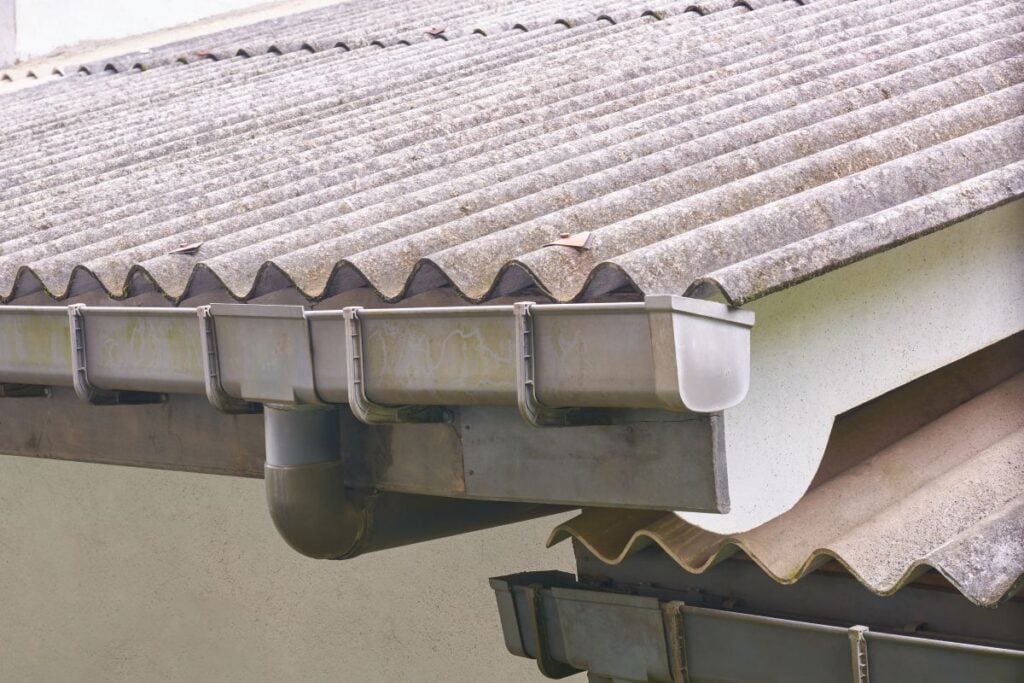
Box gutters aren’t the same as the K style or half round gutters hung from residential fascia boards. They’re built into the roof structure itself, which changes almost everything about how they’re designed, installed, and maintained.
How Box Gutters Are Built
Box gutters are rectangular drainage channels integrated into the roof edge or roof structure rather than attached to the outside of the building. They’re typically lined with metal, membrane, or a built-up roofing system and drain through internal or external downspouts. Because they’re part of the roof assembly, they handle significantly more water volume than standard hung gutters, which matters on commercial buildings with large roof areas.
Where They’re Commonly Used
Box gutters show up most often on commercial and industrial buildings with flat or low-slope roofs, historic buildings with built-in drainage systems, and larger structures where standard gutters simply can’t handle the volume of runoff. We see them regularly on warehouses, office buildings, retail centers, and older commercial properties in Matthews and surrounding areas.
The Pros of Box Gutters for Commercial Buildings
Box gutters earned their place on commercial buildings for specific structural and performance reasons. When they’re designed and maintained correctly, they deliver real advantages over other drainage options.
- High water capacity: The rectangular profile and larger cross-section handle significantly more water than standard hung gutters, which matters during the heavy summer storms that dump inches of rain across North Carolina.
- Clean architectural profile: Because they’re integrated into the roof structure, box gutters don’t interrupt the building’s exterior lines, which is important for commercial buildings where curb appeal affects leasing value.
- Works with flat and low-slope roofs: Standard hung gutters don’t fit the geometry of most commercial roofs. Box gutters do, which is why they became the default on these structures in the first place.
- Long lifespan when properly maintained: A well-designed and professionally maintained box gutter system can last 30 to 50 years, significantly longer than standard aluminum hung gutters.
- Compatibility with commercial roofing systems: Box gutters integrate with TPO, EPDM, modified bitumen, and built-up roofing systems, which makes them a natural fit for GAF Premium Coating Systems and other commercial roof assemblies.
- Reduced visual clutter: No external hangers, brackets, or hardware visible on the building exterior, which matters for historic properties and architect-designed commercial buildings.
The Cons of Box Gutters for Commercial Buildings
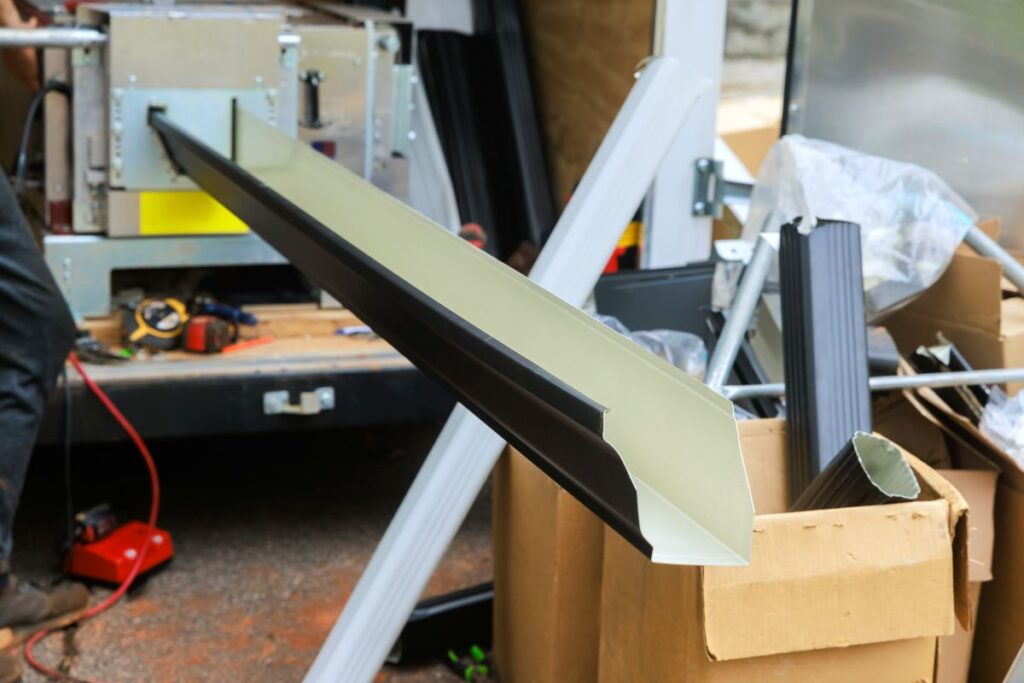
The same integration that makes box gutters effective also creates their biggest weaknesses. When they fail, they fail differently than hung gutters, and the consequences land inside the building.
Leaks Go Into the Building, Not Down the Side
This is the single biggest issue we see on commercial buildings in Matthews and surrounding areas. A hung gutter that leaks drips water down the outside of the building. A box gutter that leaks drips water into the roof assembly, the wall cavity, or the interior ceiling. That turns a gutter problem into an interior damage problem fast, which is why the Federal Emergency Management Agency emphasizes proper roof drainage as one of the most important factors in commercial building water damage prevention.
Harder and More Expensive to Repair
Because box gutters are built into the roof structure, repairs aren’t as simple as swapping a section. They typically require:
- Roofing system access: The surrounding roof membrane often has to be opened to access the leak source.
- Specialized materials: Liners, membranes, and coatings specific to commercial systems rather than off-the-shelf gutter parts.
- Coordination with the roof warranty: Repairs done incorrectly can void the commercial roof warranty, so the contractor needs to be certified with the roofing system in place.
- Extended downtime: Some repairs require sections of the building to be cordoned off during work, which affects commercial tenants and operations.
Higher Maintenance Requirements
Box gutters collect debris the same way any gutter does, but their integrated design makes debris harder to see and clean. Leaves, seed pods, and shingle granules that would blow past a hung gutter settle into a box gutter and hold water against the liner. That’s how most box gutter liner failures start. Commercial property owners who skip scheduled cleanings almost always pay for it later in liner replacement or interior water damage.
Ice and Freeze Damage
Water that sits in a box gutter during a winter freeze expands against the liner and the surrounding roof structure. Over multiple freeze and thaw cycles, that expansion creates cracks in the liner and can even shift the gutter’s alignment. North Carolina doesn’t have the hard freezes of the upper Midwest, but we see enough freeze damage on commercial buildings to take it seriously during every inspection.
When Box Gutters Make Sense and When They Don’t
The right drainage system depends on the building, not on a generic preference. A few specific factors drive the decision on commercial properties.
When Box Gutters Are the Right Call
- Flat or low-slope commercial roofs: Where hung gutters can’t physically integrate with the roof geometry.
- High-volume runoff buildings: Warehouses, retail centers, and large office buildings where water volume exceeds hung gutter capacity.
- Architectural preservation: Historic or designed commercial buildings where visible hung gutters would damage the exterior aesthetic.
- Long-term ownership: Property owners planning to hold the building for decades and willing to invest in proper maintenance.
When Another System Fits Better
- Small commercial buildings with sloped roofs: Strip malls, smaller offices, and similar structures where hung K style or half round gutters handle the volume without the complexity.
- Limited maintenance budgets: If scheduled inspections and cleanings aren’t realistic, a hung system fails more visibly and cheaply.
- Buildings with known interior finish sensitivity: Where the consequences of a hidden leak would be severe, some owners prefer the external failure mode of hung gutters even at the cost of appearance.
- Retrofits where access is limited: Existing buildings without structural provisions for box gutters are often better served by hung systems or scupper and downspout combinations.
How Roof Medic Approaches Commercial Box Gutters
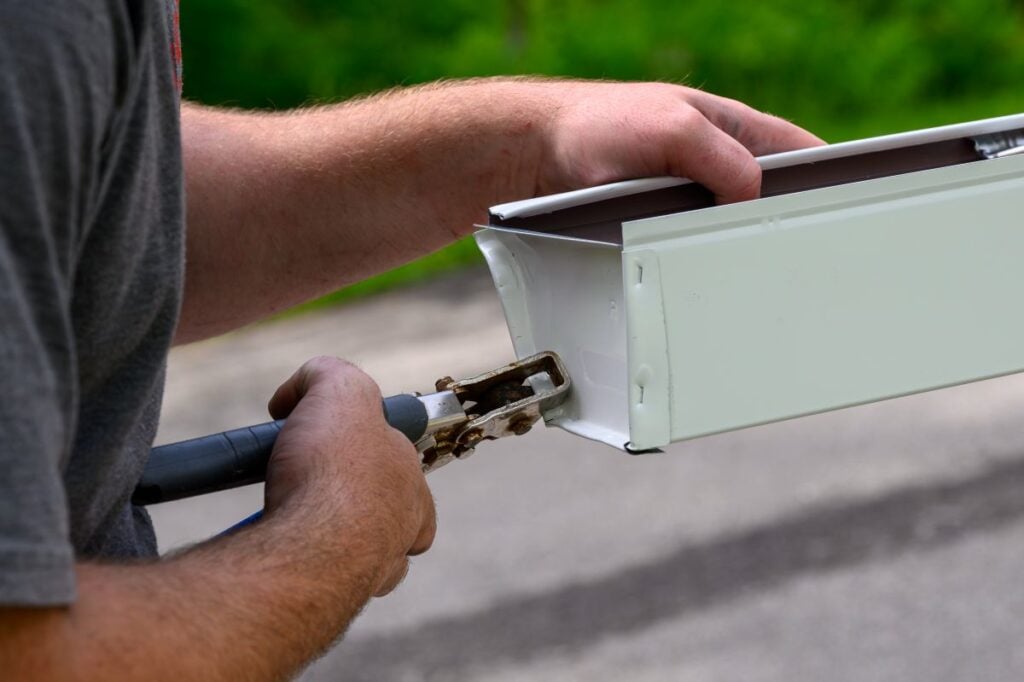
Roof Medic is a GAF Authorized Commercial Roofing Company and GAF Master Elite Contractor, which means we’re certified to work on commercial roofing systems including GAF Premium Coating Systems and the drainage components that tie into them. We inspect first and diagnose second, whether that means a targeted repair, liner replacement, or a full system redesign.
What Our Commercial Inspection Includes
- Liner condition: We check the full length of the box gutter for cracks, seam separation, and membrane failure.
- Slope and drainage: We confirm water is moving to every downspout or internal drain without pooling.
- Roof assembly integration: We inspect how the gutter ties into the surrounding roof membrane and flashing.
- Interior inspection: We check the ceiling and wall areas directly below the gutter for signs of interior water infiltration.
- Downspout and drain flow: We confirm internal and external drains are clear and moving water away from the foundation.
Materials and Workmanship
Roof Medic installs and repairs commercial box gutter systems paired with the roof assembly so both work together the way they’re supposed to. Our workmanship warranty is 2 years standard and 5 years when property owners follow our recommended approach. That’s backed by the same team that holds GAF Master Elite, GAF Authorized Commercial Contractor, and CertainTeed SELECT ShingleMaster status, placing us in the top 3% of roofers nationwide, and an A+ rating with the Better Business Bureau.
Choose the Drainage System That Actually Fits Your Building
Box gutters are a strong choice for the right commercial building and a costly mistake for the wrong one. High capacity, long lifespan, and clean architecture on one side. Harder repairs, higher maintenance, and interior failure risk on the other. The right answer depends on your roof geometry, your maintenance budget, and how long you plan to own the property.
Roof Medic has served Matthews and surrounding areas with honest commercial roofing inspections, straightforward recommendations, and workmanship backed by elite manufacturer certifications. We’ll tell you whether your existing box gutter needs a repair, a liner replacement, or a redesign, and we’ll explain why based on what we actually see on your building.
Ready for a real diagnosis on your commercial gutter system? Contact Roof Medic today to schedule a commercial inspection. We’ll give you the honest answer, not a sales pitch for the most expensive option.