704.228.7788
 704.228.7788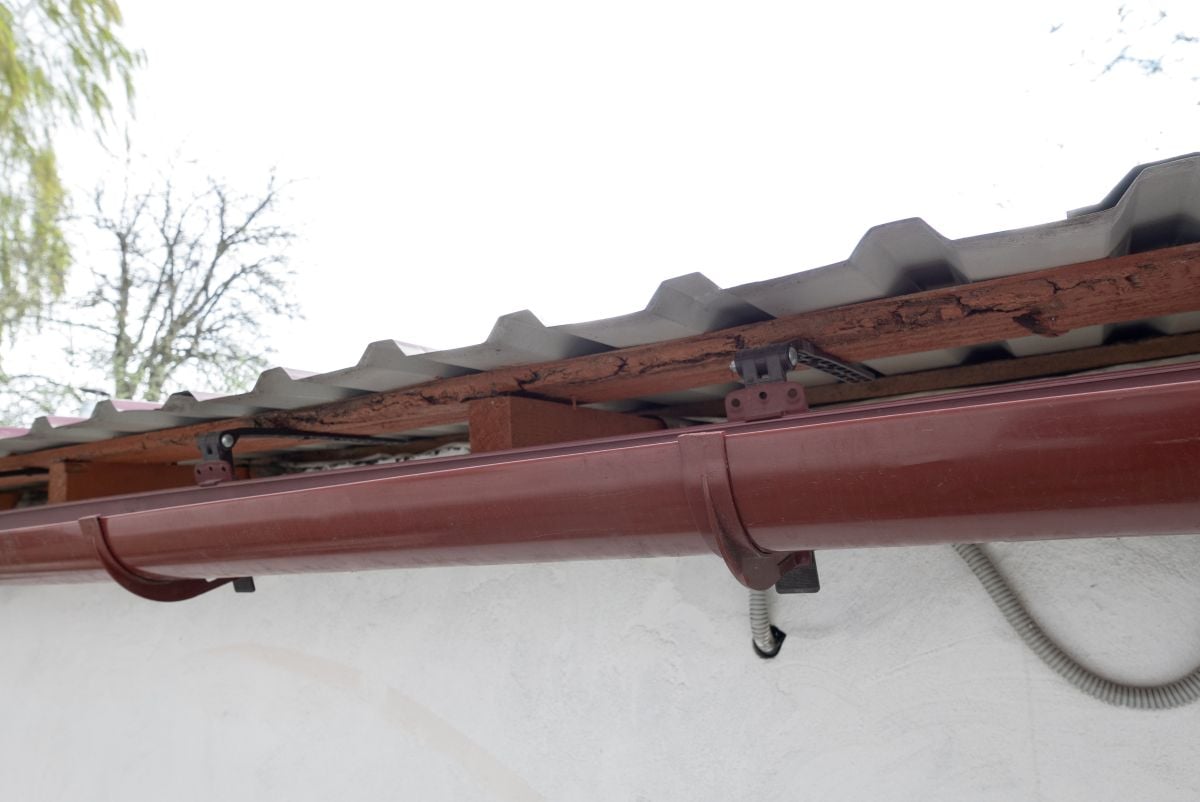
 04/23/2026
 9 minutes Read
Half round gutters are a classic drainage profile most often installed on historic homes, architect-designed houses, and higher-end residential properties across North Carolina. Their smooth curved interior makes them easier to clean than K style gutters in some ways, but the same shape also makes them harder to secure a ladder against and more prone to tipping debris back onto you if you use the wrong technique. For homeowners in Davidson and surrounding areas, cleaning half round gutters safely is less about strength and more about following the same steps a professional crew follows every single time.
This guide walks through how our team approaches half round gutter cleaning on residential properties, the safety precautions that matter most, and when the job should be handed off to a professional instead.
In this post, you’ll learn:
- The safety gear you need: The equipment professionals use on every job, not just the ones that look risky.
- The step-by-step cleaning process: How to remove debris without damaging the gutter or hurting yourself.
- When to call a professional: The specific conditions that turn a routine cleaning into a job for a roofing team.
Why Half Round Gutters Need Different Care Than K Style

Half round gutters look similar to K style gutters from the ground, but they handle debris and water differently. Understanding those differences changes how you should clean them.
The Shape Affects How Debris Collects
The curved interior of a half round gutter doesn’t trap debris in corners the way the flat bottom of a K style gutter does. That’s a benefit because water moves through more freely and most debris flushes out during heavy rain. The downside is that the rounded profile makes it harder to scoop debris out by hand with a gutter scoop designed for K style channels. Professionals use flexible scoops or gloved hands shaped to the curve instead.
The Hanger System Is More Delicate
Half round gutters typically hang from curved brackets or straps rather than hidden hangers screwed into fascia. Those brackets can be bent or pulled loose by aggressive cleaning, standing on the gutter, or leaning ladders directly against the gutter edge. Any cleaning approach needs to protect the hangers as much as it cleans the gutter itself.
Safety Gear Professionals Use on Every Job
Gutter cleaning is one of the most common sources of home maintenance injuries. The Consumer Product Safety Commission reports that ladder-related injuries send more than 500,000 people to emergency rooms in the United States every year, with falls being the leading cause. Our team treats gutter cleaning as a ladder job first and a cleaning job second, which means the gear comes before the cleaning tools.
Required Safety Equipment
- Extension ladder rated for your weight plus tools: Aluminum or fiberglass rated Type IA (300 lbs) or Type II (225 lbs) depending on your body weight plus equipment.
- Ladder stabilizer or standoff: A bracket that holds the ladder away from the gutter so it rests against the roof or wall, not the gutter itself.
- Work gloves: Heavy-duty gloves protect against sharp metal edges, hidden nails, and wildlife like wasps or rodents that nest in gutters.
- Safety glasses: Debris, shingle granules, and water spray are all eye hazards on any gutter cleaning job.
- Non-slip work boots: Solid ankle support and a grippy sole matter more than most homeowners realize, especially on wet ladder rungs.
- Bucket with lanyard: A bucket clipped to the ladder keeps both hands free and prevents the urge to overreach with a handheld scoop.
Ladder Safety Fundamentals
More homeowners get hurt setting up ladders than cleaning gutters. Our team follows the same setup on every residential job in Davidson and surrounding areas.
- Use the 4 to 1 rule: For every 4 feet of ladder height, the base should be 1 foot out from the wall.
- Check the ground: Level, firm, dry ground only. Never on grass, mulch, or wet concrete without a ladder leveler.
- Three points of contact: Two hands and a foot, or two feet and a hand, always in contact with the ladder.
- Don’t overreach: Keep your belt buckle between the ladder rails. Climb down and move the ladder instead of leaning.
- Never stand on the top two rungs: Those rungs are rated for hand support, not weight bearing.
9 Step Professional Cleaning Process
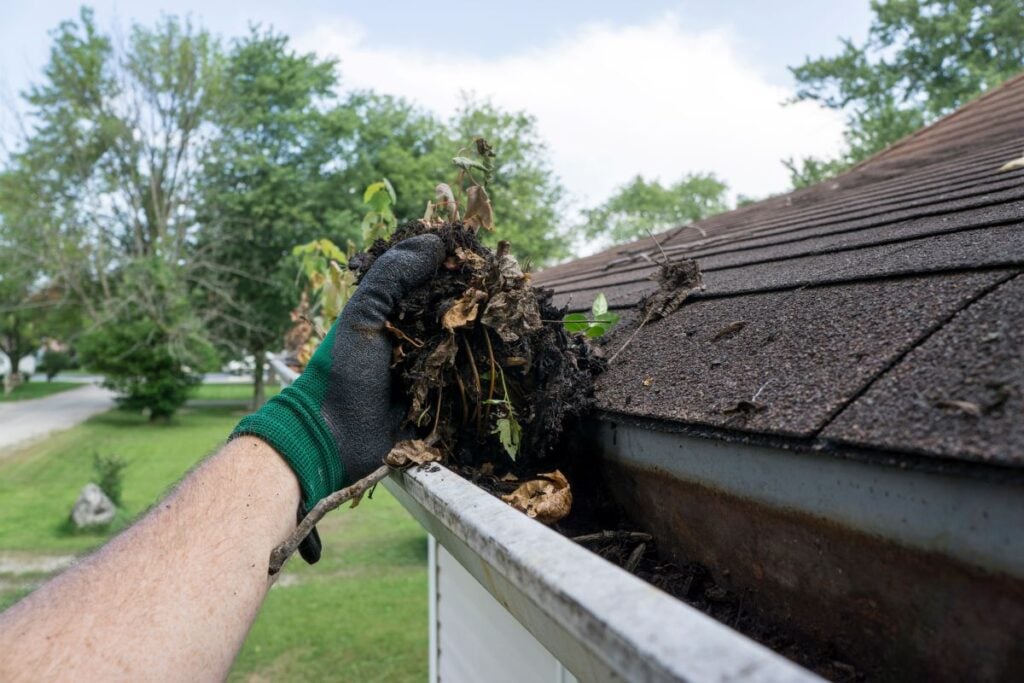
Here’s the process our team follows on half round gutter cleaning jobs. The sequence matters because skipping steps is how homeowners damage hangers, miss blockages, or end up cleaning the same gutter twice.
- Inspect from the ground first: Walk the perimeter of the house and note visible sags, disconnected sections, overflowing areas, and any downspouts missing from the wall.
- Set up the ladder with a stabilizer: Position the ladder against the roof or wall using a standoff bracket. Never lean directly on a half round gutter.
- Start at the downspout end: Work from the downspout back toward the opposite end so you’re pushing debris toward a drain, not away from it.
- Scoop large debris into a bucket: Use a flexible rubber or silicone scoop shaped to the half round profile. Avoid metal scoops that can scratch the interior coating.
- Bag debris as you go: Drop debris into a bucket clipped to the ladder, then transfer to a bag at ground level. Don’t drop debris onto the landscaping below.
- Flush the gutter with a hose: Once debris is removed, run water from the far end toward the downspout at moderate pressure. Watch for backflow that indicates a downspout clog.
- Clear the downspouts: If water backs up, feed a plumber’s snake or a garden hose up from the bottom of the downspout to break up the clog.
- Inspect hangers and seams: Look for loose brackets, separated straps, or visible corrosion. Take photos of any issues so you can address them before the next storm.
- Check fascia and soffit condition: While you’re on the ladder, look at the wood behind and under the gutter for staining, soft spots, or rot.
Common Mistakes That Cause Damage or Injury
Most of the half round gutter problems we see during inspections trace back to the same short list of cleaning mistakes. Avoiding these protects both the gutter system and the person doing the work.
Leaning the Ladder Against the Gutter
This is the single most common cause of hanger damage we see on residential inspections. Half round hangers aren’t designed to support a ladder’s worth of weight pushing down and out. Use a standoff bracket every time, no exceptions.
Using Metal Scoops or Pressure Washers
Metal scoops scratch the interior coating on copper, aluminum, and galvanized half round gutters, which accelerates corrosion. High-pressure washing can force water under the shingles or flashing, creating leaks where none existed before. Moderate pressure from a standard garden hose is the right tool for the job.
Ignoring Downspout Clogs
A clean gutter with a clogged downspout overflows the same way a dirty gutter does. Always verify water is moving through the downspout and exiting properly at ground level before declaring the job done.
Cleaning in the Wrong Weather
Wet gutters, icy roofs, and windy conditions all increase fall risk dramatically. Our team won’t send a crew up a ladder in those conditions, and neither should you. Wait for dry, calm weather.
When to Call a Professional Instead
Some half round gutter cleaning jobs shouldn’t be DIY. Calling a professional isn’t about capability, it’s about matching the job to the right tools, training, and insurance coverage.
Situations That Warrant a Professional
- Two-story homes or steep pitches: The fall distance and ladder requirements exceed what most homeowners are equipped to handle safely.
- Visible gutter damage: Sagging, separated seams, loose hangers, or fascia rot require repair work in addition to cleaning.
- Copper or specialty material gutters: These systems are expensive to damage and often require specific cleaning approaches to preserve the finish.
- Persistent overflow after cleaning: If the gutters overflow even after a thorough cleaning, the problem is drainage, pitch, or capacity, not debris.
- Suspected roof damage: Shingle granules piling up in the gutter signal roof wear that deserves a professional inspection.
What a Professional Cleaning Includes
- Full inspection of the gutter system: Seams, hangers, fascia, soffit, and downspout drainage checked end to end.
- Debris removal and disposal: All debris bagged and hauled away, not dropped in the landscaping.
- Downspout flushing: Every downspout tested and cleared with water flow confirmation.
- Roof edge inspection: Drip edge, flashing, and the first course of shingles inspected from the ladder.
- Written findings: A clear report on any repairs needed, not a verbal sales pitch.
How Roof Medic Approaches Gutter Maintenance
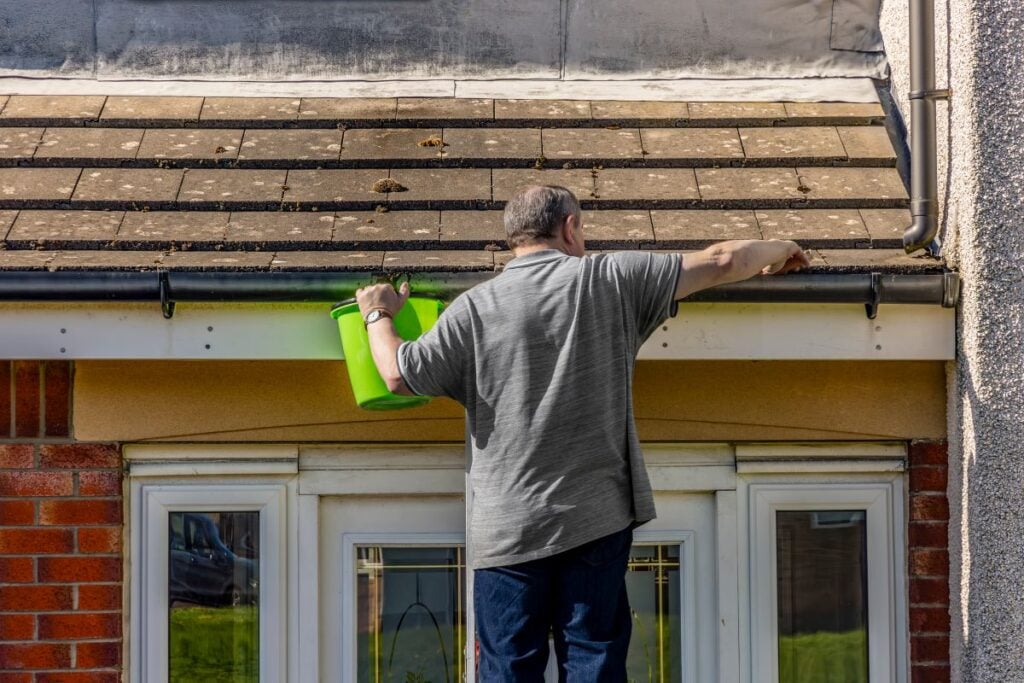
Roof Medic inspects first and recommends second. If your half round gutters just need a cleaning, that’s what we’ll do. If we find damage, loose hangers, or fascia rot during the cleaning, we’ll document it with photos and explain your options. No driveway estimates, no pressure to upsell.
What Sets Our Team Apart
Roof Medic pairs gutter maintenance with the roof system so both work together the way they’re supposed to. Our workmanship warranty on repair work is 2 years standard and 5 years when homeowners follow our recommended approach. That’s backed by the same team that holds GAF Master Elite and CertainTeed SELECT ShingleMaster status, placing us in the top 3% of roofers nationwide, and an A+ rating with the Better Business Bureau.
Keep Your Half Round Gutters Working the Way They Should
A clean half round gutter system protects your roof edge, your fascia, your foundation, and your landscaping. A dirty or damaged one causes problems that cost thousands more to fix than the cleaning itself. Whether you’re handling maintenance yourself or calling a professional, the approach is the same: safety first, right tools, thorough process, honest assessment at the end.
Roof Medic has served Davidson and surrounding areas with that approach on residential maintenance calls, backed by elite manufacturer certifications and a veteran-owned team that takes your home as seriously as you do.
Ready to get your gutters inspected by a team that will tell you the truth about their condition? Contact Roof Medic today to schedule a visit. We’ll give you the honest answer on what your gutters actually need.