704.228.7788
 05/21/2026
 14 minutes Read
The best time to replace a roof on most North Carolina homes is when the weather cooperates, the contractor isn’t slammed, and your roof can actually finish sealing properly before the next big storm rolls through. Spring usually checks all three boxes. For homeowners in Cornelius and surrounding areas, the months between mid-March and early June hit the sweet spot for asphalt shingle installation, contractor availability, and protecting your home before summer storm season arrives.
Here’s what you’ll learn in this guide:
- Why spring temperatures matter: How weather affects shingle sealing and installation quality.
- The seven advantages of spring replacement: What makes this season the right call for most homes.
- How to plan it right: What to do now to lock in a spring install before the calendar fills up.
Why the Season You Pick Actually Matters
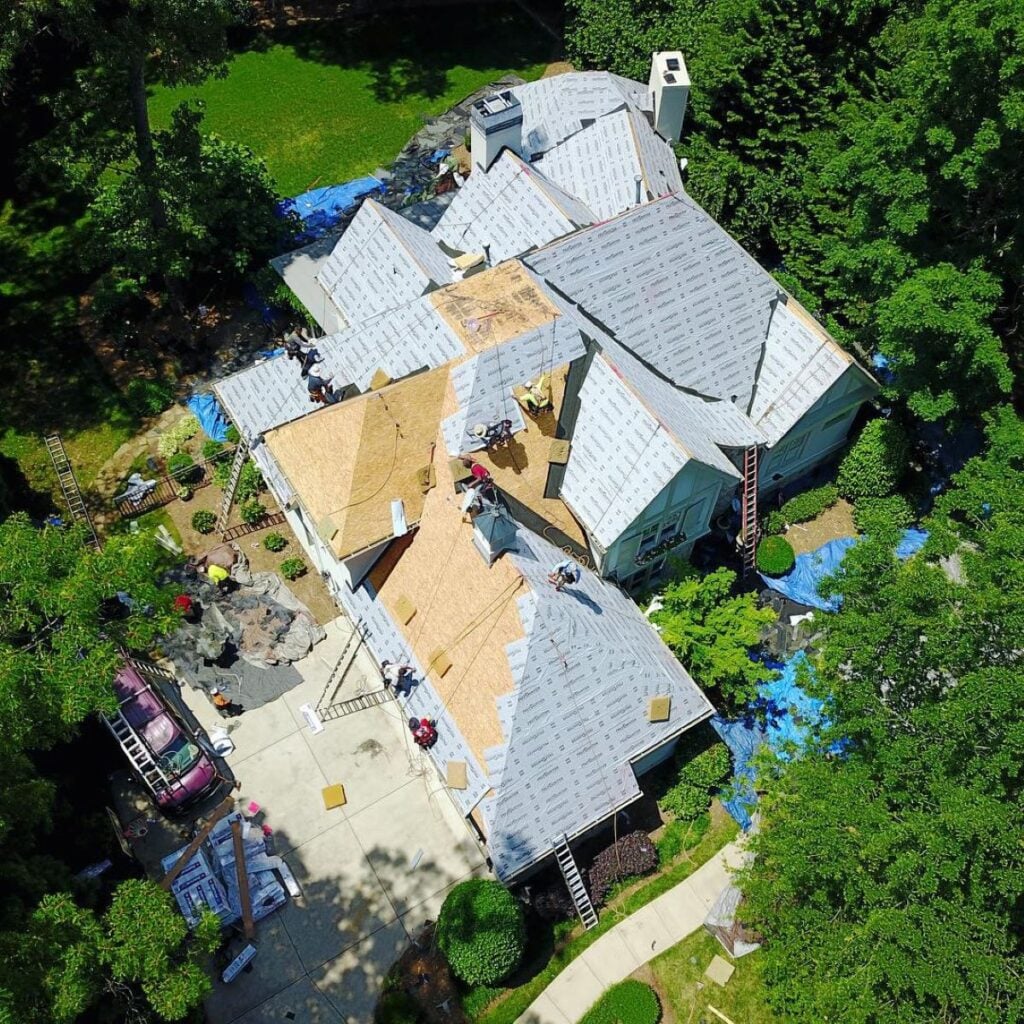
The season you pick affects how well your roof seals, how long the project takes, and how much it costs. Roofing isn’t a year-round, all-conditions operation. Temperature, humidity, and weather patterns all shape the final quality of the install, and the difference between a properly sealed roof and one that struggles to bond can come down to the calendar. Roofing contractors often plan projects around stable weather and optimal installation conditions to ensure the best results and minimize delays. Additionally, the roofing industry experiences fluctuations in pricing and scheduling based on seasonal demand and weather conditions.
The installation process is directly impacted by weather conditions—low humidity and no rain are crucial to prevent moisture problems during installation. Early fall and late spring are considered the best times for roof replacement due to stable weather and optimal conditions for asphalt shingles to seal properly.
How Temperature Affects Shingle Installation
Asphalt shingles need warmth to seal correctly. They have a thermally activated adhesive strip that bonds to the shingle below using heat from the sun, and that process only kicks in once temperatures hit a specific range. Get the timing right and the roof seals within days. Get it wrong and you can wait weeks for the bond to form. According to GAF, the official manufacturer recommendation is to install shingles at temperatures of at least 40 degrees Fahrenheit, with full sealing requiring sunlight and warmer temperatures to activate the adhesive.
Spring delivers that. So does fall. Summer can work but pushes the upper limit. Winter is the problem season, and we’ll explain why below.
- Below 40 degrees: Shingles become brittle and can crack during installation.
- 40 to 70 degrees: Acceptable installation range, with hand sealing sometimes required.
- 70 to 85 degrees: Optimal range for shingle flexibility and sealing speed.
- Above 85 degrees: Shingles soften too much and can scuff or tear during handling.
- Direct sunlight requirement: Shingles need sun exposure to activate the sealing adhesive.
What Goes Wrong When You Install at the Wrong Time
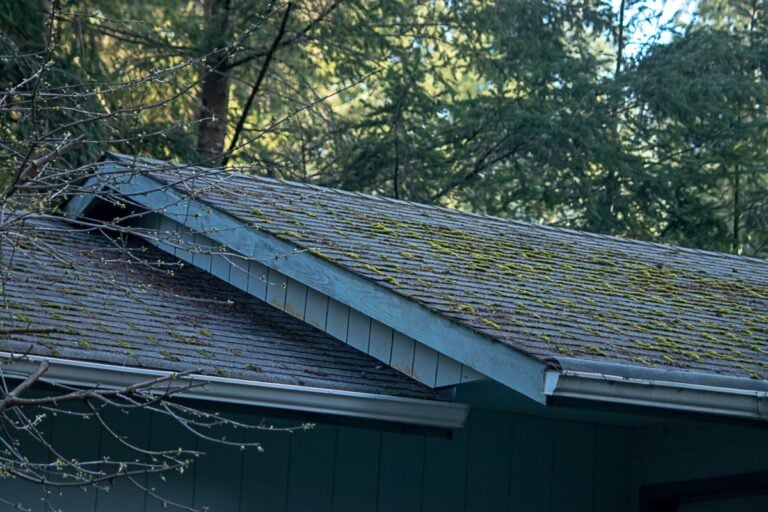
Most of the warranty issues we see on poorly performing roofs trace back to the conditions under which the shingles were installed. Cold installs that didn’t get hand sealed properly. Hot installs where the shingles scuffed during nailing. Wet installs where the deck never fully dried before the underlayment went down. The roof might look fine on day one. Six months later it tells a different story. Delaying roof replacement can lead to costly repairs and even structural damage, as water intrusion and ongoing deterioration may threaten the safety and stability of your home.
- Delayed sealing: Shingles installed in cold weather can take weeks to bond, leaving them vulnerable to wind. Timely replacement is crucial to prevent further damage and maintain the roof’s structural integrity.
- Cracked shingles: Cold temperatures make shingles brittle and prone to breaking during installation.
- Scuffed surfaces: Hot weather softens shingle surfaces, making them easy to damage with foot traffic.
- Compromised adhesives: Self-sealing strips don’t activate properly in extreme conditions.
- Wind uplift risk: Improperly sealed shingles can lift in storms before they fully bond.
Roofers recommend planning a replacement soon if there are visible signs of damage, such as curling or missing shingles, excessive granule loss, or visible sunlight in the attic. Timely replacement helps maintain structural integrity, prevent costly damages, and optimize energy efficiency.
7 Advantages of Replacing Your Roof in Spring
Spring isn’t the only season that works for roof replacement. But for most homes in Cornelius and surrounding areas, it lines up advantages that other seasons can’t match. The seven sections below cover what makes spring the right call.
1. Mild Temperatures Hit the Shingle Sealing Sweet Spot
Mild spring temperatures give your shingles the best possible conditions to seal. Daytime highs in the 50s, 60s, and 70s let the adhesive strips activate without softening the shingle surface. Nights stay above freezing. Sunlight intensifies as the season progresses, which speeds up bonding. By the time summer storms arrive, your roof has had weeks to fully seal and prove itself in moderate weather first. That’s the kind of break-in period that separates a roof that lasts 25 years from one that fails in 15.
- Daytime range: Average spring highs in North Carolina hit 60 to 75 degrees.
- Sealing speed: Shingles installed in spring typically seal within days rather than weeks.
- Less material stress: Moderate temperatures reduce expansion and contraction during install.
- Predictable conditions: Spring weather patterns let contractors plan multi-day projects accurately.
- Adhesive performance: Mid-range temperatures activate sealing strips reliably.
2. You Beat the Summer Storm Season
North Carolina summer storms hit hard. Severe thunderstorms, hail, and the occasional tropical system can dump inches of rain in an hour. Heavy rain and high winds during these storms can delay roof replacement projects, disrupt schedules, and increase the risk of water damage if the roof is not fully sealed. In regions with heavy rainfall, scheduling roof replacement during the dry season helps prevent these issues by reducing the risk of water seeping into the home and allowing the roof to seal properly before storms arrive. A roof installed in spring has weeks to fully seal before that weather arrives, which gives every shingle time to bond. A roof installed in mid-summer is racing the storm calendar from day one. That’s a gamble we’d rather you not take.
- Hail season: Peak hail activity in the Carolinas runs March through June.
- Hurricane season: Atlantic hurricane season begins June 1 and runs through November.
- Storm preparation: A fully sealed spring roof is ready for summer’s worst.
- Insurance implications: Storm damage on an unsealed roof creates messier claims.
- Peace of mind: You sleep through summer storms instead of worrying about loose shingles.
3. Contractors Have Better Availability
Spring is busy for roofers, but it’s not the chaos of late fall. Fall is the most-booked roofing season in the country, with September showing up as one of the highest-demand months nationwide. By the time fall hits, the best teams are weeks or months out. Book in spring and you have more flexibility, more time to compare options, and a real shot at the contractor you actually want.
- Scheduling flexibility: More days available for project start.
- Material lead times: Suppliers carry deeper inventory before the fall rush.
- Permit timelines: Local permit offices process faster outside peak season.
- Quality team availability: Top contractors aren’t booked out 8 to 12 weeks like in fall.
- Less rushed work: Crews aren’t racing daylight or the next scheduled job.
4. You Catch Winter Damage Before It Spreads
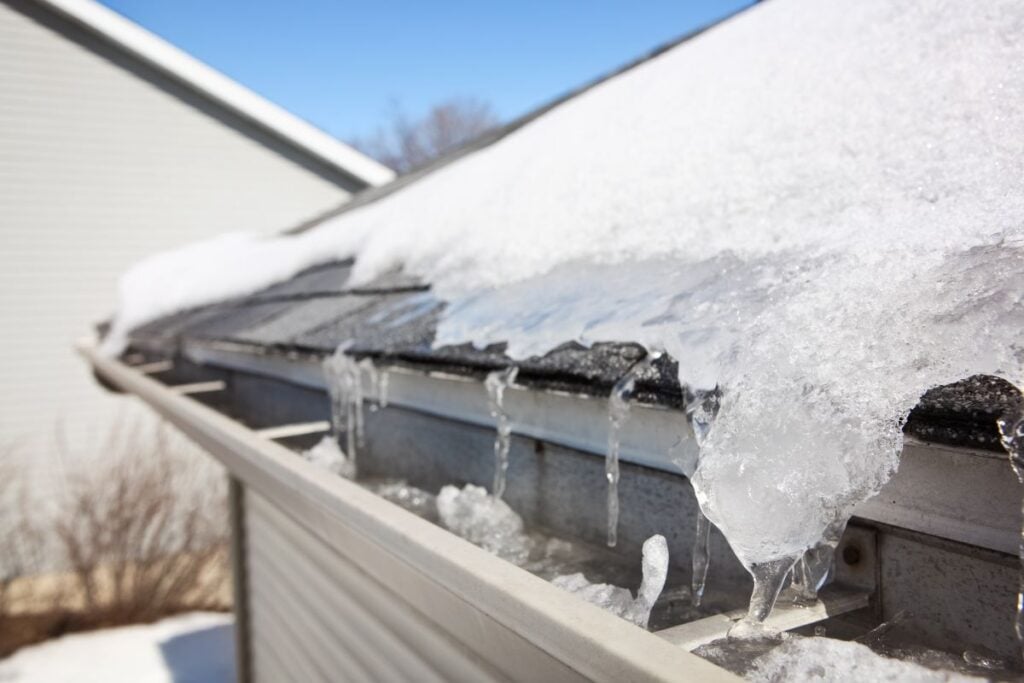
Winter is rough on a roof. Freeze-thaw cycles widen small cracks. Ice damages flashing. Wind loosens shingles you didn’t even know were loose. By the time spring arrives, a tired roof is showing all the wear winter put on it. A spring inspection catches this damage before summer storms push it from a small problem to a big one. That’s why spring is also our busiest inspection season in Cornelius and surrounding areas.
- Freeze-thaw damage: Cracks widen each time water freezes and thaws in the shingle.
- Flashing failures: Ice movement loosens metal flashing around chimneys and valleys.
- Granule loss: Winter wind drives granules off aging shingles, exposing the asphalt mat below.
- Loose fasteners: Temperature swings work nails loose over a single winter.
- Hidden leaks: Slow winter leaks often only become obvious in spring rains.
5. Better Weather for the Project Itself
Spring weather makes the actual project easier and faster. Crews work longer hours when they’re not battling 95-degree heat or 30-degree mornings. Materials handle better. Tools work better. The work gets done in fewer days, which means less time with your home torn open and less chance of weather interrupting mid-project. Simpler is better.
- Longer workdays: Spring daylight extends from around 7am to 8pm by mid-May.
- Fewer heat breaks: Crews don’t need to stop frequently for hydration in moderate temperatures.
- Material handling: Shingles, underlayment, and flashing all perform better in mild weather.
- Faster cleanup: Mild conditions mean cleanup goes quicker at the end of each day.
- Less weather risk: Spring rain delays exist but are usually shorter than summer thunderstorms.
6. Time to Address Insurance Claims From Winter Storms
If winter storms hit your area, spring is when insurance claims tend to settle. Adjusters are out inspecting. Claims that started in January or February finalize in March or April. That timing lines up perfectly with a spring roof replacement, which means the work happens while the damage is still fresh in the documentation. Maintaining proper insurance coverage is crucial—being proactive with roof replacement and maintenance not only helps with claim approval but can also lead to cost savings and potential discounts on your policy. We handle insurance claims start to finish, and spring is when most of our claim-driven projects come together. A reliable roofing contractor should also offer a comprehensive warranty on their work and materials, giving you peace of mind that any issues will be addressed promptly.
- Adjuster availability: Spring is peak inspection season for storm damage adjusters.
- Claim documentation: Damage stays fresh for accurate claim filing.
- Coordinated timing: Insurance approval often aligns with optimal install conditions.
- Deductible planning: Settling claims in spring leaves the rest of the year for other home projects.
- Denied claim recovery: Spring is also a good time to refile claims that were initially denied.
7. You Protect Property Value Before Selling Season
Real estate activity peaks in late spring and summer. If you’re planning to sell, replacing your roof in early spring puts the new roof in your listing photos and your disclosure documents. Buyers love a recently replaced roof. It removes one of the biggest objections from a home inspection and can help your home sell faster and for more money. Replacing a roof before selling can also lead to significant cost savings by preventing costly repairs and increasing your home’s value—a real return on a project you were going to do anyway.
- Listing photos: A new roof shows up clean and current in spring listing photos.
- Inspection results: Pre-listing roof replacement reduces inspection objections.
- Buyer confidence: Recently replaced roofs reassure buyers about big-ticket future repairs.
- Comparable advantage: Homes with new roofs often sell faster than competing listings.
- Documentation: Manufacturer warranties transfer and add value to the listing.
How to Plan a Spring Roof Replacement
Booking a spring roof replacement starts well before spring. Demand picks up fast, and the best contractors fill their calendars by late February or early March. Here’s how to make sure your project lands when you want it.
What to Do in Late Winter
Late winter is when smart homeowners get ahead of the rush. A roof inspection in January or February gives you time to evaluate your options without pressure, get an accurate quote, and lock in a date before the calendar fills up. Don’t wait until April to start the conversation. By then, you’re scheduling for June.
- Schedule a professional roof inspection: Book your roof inspection in January or February with a qualified professional. A professional roof inspection ensures a thorough evaluation of your roof’s condition, identifies underlying issues that may not be visible, and helps you plan for replacement before problems escalate. Proactive seasonal planning, including inspecting your roof twice a year, helps determine the best timing for roof replacement and prevents costly repairs.
- Get multiple quotes: Allow time to compare contractors and material options.
- Review insurance: If recent storms hit, have a contractor evaluate for claim-eligible damage.
- Plan financing: Sort out payment or financing before you schedule the work.
- Choose materials: Pick your shingle type, color, and warranty tier in advance.
What Questions to Ask Your Contractor
The right contractor questions reveal who actually knows what they’re doing and who’s just running plays from a sales script. When choosing a good roofing contractor, look for extensive experience in roofing services, including replacement, repairs, and installations. We answer these every day, and the answers should be specific, not vague.
- Manufacturer certifications: Are you GAF Master Elite, CertainTeed SELECT, or both?
- Licensing, bonding, and certification: Are you licensed, bonded, and certified to operate in this state and locality?
- Reputation: Can you provide online reviews or referrals from previous customers?
- Workmanship warranty: Do you, as a professional roofing contractor, offer a comprehensive warranty on your work and materials? What’s covered, for how long, and under what conditions?
- Project timeline: How long will the project take, start to finish?
- Cleanup process: What does cleanup look like at the end of each day and the project?
- Insurance handling: Do you work directly with adjusters on storm damage claims?
Frequently Asked Questions
How much does a spring roof replacement cost?
A spring roof replacement typically costs $9,000 to $20,000 for an average home in North Carolina, with high-end systems running $25,000 or more. Pricing depends on roof size, materials, complexity, and any underlying repairs to the deck or flashing. Spring pricing is generally similar to fall, with slight savings possible in early spring before peak demand.
How long does a roof replacement take?
Most asphalt shingle roof replacements take one to three days for a standard residential home. Larger or more complex roofs can stretch to a week. Spring weather typically allows for the shorter end of that range, since fewer weather delays interrupt the work.
Can I stay in my home during the replacement?
Yes, you can stay in your home during a roof replacement. The work is loud, especially during tear-off and nailing, so plan accordingly if you work from home or have small children or pets. Most homeowners spend daytime hours away during the noisiest phases.
Will spring rain delay my project?
Spring rain can cause short delays, but most replacements still finish on schedule. A professional contractor monitors the forecast and stops work before rain hits to keep the deck protected. Tarps and temporary coverings keep the home dry overnight or during weather pauses.
Do I need a permit for roof replacement in North Carolina?
Most North Carolina jurisdictions require a permit for full roof replacements. A licensed contractor handles the permit application as part of the project. Permit requirements and inspection schedules vary slightly by city and county, so confirm with your contractor during quoting.
What if my insurance claim isn’t approved before spring?
If your insurance claim isn’t approved by your preferred install date, a good contractor can help refile a denied claim or request a re-inspection. Maintaining proper insurance coverage is crucial to protect yourself from potential liability and to avoid claim denials. It’s also important to work with a contractor experienced in handling insurance claims, as we do regularly. Many of our spring projects start with claims that needed a second look from the adjuster before the work could begin.
Why Roof Medic Is the Right Team for Your Spring Roof Replacement
Roof Medic is a GAF Master Elite Contractor and CertainTeed SELECT ShingleMaster, placing us in the top 3% of roofers nationwide and qualifying us for the highest-tier manufacturer warranties available. We inspect first and recommend second on every roof we evaluate. If your roof has years of life left, we’ll tell you. If it’s time to replace, we’ll explain why and walk you through the options. Our workmanship warranty is 2 years standard and 5 years when homeowners follow our recommended approach, all backed by a veteran-owned team that takes your home as seriously as you do. We handle insurance claims start to finish, and we know what adjusters look for.
Ready to book your spring roof replacement? Contact Roof Medic today to schedule an inspection in Cornelius and surrounding areas. We’ll evaluate your roof, give you straight answers on its condition, and lock in a project date before the calendar fills up. Spring goes fast. Get on it now.