704.228.7788
 05/19/2026
 15 minutes Read
Spotting mold on roof materials for the first time can be alarming, but the dark streaks and growths most homeowners notice aren’t always actually mold. Algae, lichen, moss, mildew, and true mold all show up on roofs in North Carolina, and each one looks different, behaves differently, and requires a different approach to remove. For homeowners in Mooresville and surrounding areas dealing with discoloration on their shingles, identifying what you’re actually looking at is the first step to fixing it without damaging the roof or wasting money on the wrong treatment.
Here’s what you’ll learn in this guide:
- What each growth actually looks like: Visual cues for mold, algae, lichen, mildew, and moss.
- How each one affects your roof: Cosmetic issue versus structural damage.
- What to do about each: Treatment options and when to call a professional.
Understanding What Grows on Roofs in North Carolina
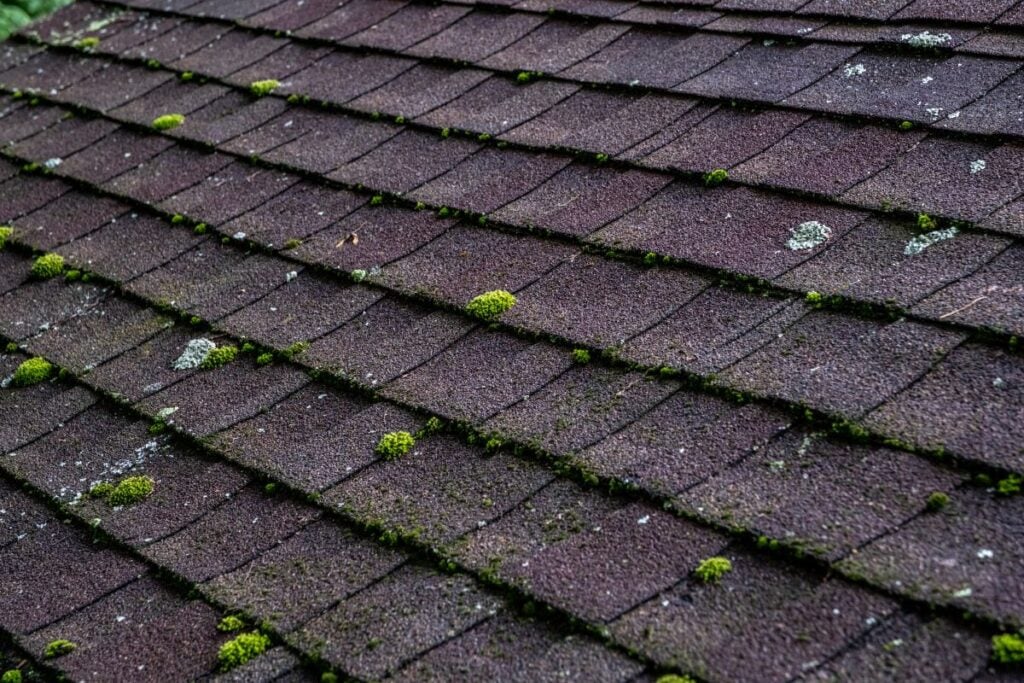
North Carolina’s humid climate, frequent rain, and tree cover create ideal conditions for biological growth on asphalt shingle roofs. High humidity and accumulated organic material such as leaves and twigs create a perfect breeding ground for mold growth on roofing materials. The combination of moisture, shade, and organic debris allows multiple types of organisms to colonize roof surfaces, especially on north-facing slopes that dry out more slowly than south-facing ones.
- Many homeowners are unaware that limestone filler in asphalt shingles serves as a food source for mold and algae.
Mold grows when these conditions are present; accumulated organic debris, high humidity, and poor attic ventilation are common causes of mold on roofs.
Why Roofs Are Vulnerable to Biological Growth
Roofs are vulnerable to biological growth because they collect moisture, debris, and airborne spores in the same place over long periods. Poor airflow and poor attic ventilation can trap heat and humidity, leading to condensation when warm air meets cold surfaces. This increases the risk of mold growth. Mold feeds on organic materials such as wood and insulation, weakening these materials over time and potentially leading to rot and premature roof failure. Asphalt shingles in particular contain limestone filler, which becomes a food source for certain organisms once moisture and shade allow them to settle in. Once colonization starts, the growing organism holds even more moisture, which creates better conditions for further growth and additional species. We see this cycle on roofs all over Mooresville and surrounding areas, and the homeowners who understand what’s happening can address it before it spreads.
- Humid climate: North Carolina’s humidity keeps roof surfaces damp longer than in dry climates.
- Tree coverage: Overhanging branches drop debris, retain moisture, and block sunlight.
- North-facing slopes: Receive less direct sunlight and stay damp longer than other roof sections.
- Shingle composition: Limestone filler in asphalt shingles serves as a food source for certain algae.
- Airborne spores: Wind carries spores from neighboring roofs, allowing colonies to spread quickly.
The Main Types of Roof Growth
Several different organisms can colonize a North Carolina roof, and each one behaves differently. Knowing which is which helps you decide whether the issue is purely cosmetic, a sign of bigger problems, or something that requires professional attention. Misidentifying the growth almost always leads to the wrong treatment.
- Algae: Black or green streaks, usually running vertically down the roof.
- Lichen: Crusty, raised growths that bond directly to the shingle surface.
- Moss: Soft, green, spongy patches that hold significant moisture.
- Mildew: Powdery surface growth, usually gray or white, often the early stage of mold.
- True mold: Fuzzy, often dark or musty-smelling growth, usually a sign of underlying moisture problems.
How to Identify Mold on Your Roof vs Algae and Lichen
Identifying the difference between mold, algae, and lichen comes down to color, texture, growth pattern, and location on the roof. Visible mold growth is a warning sign of persistent moisture issues and may indicate underlying problems such as poor ventilation or organic debris buildup. Because of this, proper assessment is necessary to accurately determine the type of growth and the correct treatment before any remediation steps are taken. Each organism has distinct visual signatures that make accurate identification possible from a safe vantage point on the ground or from a ladder.
What Roof Algae Looks Like
Roof algae is the most common growth on asphalt shingle roofs and is almost always what homeowners are seeing when they think they have mold. The most common species is Gloeocapsa magma, a blue-green algae that produces a dark pigmented sheath to protect itself from UV rays. It appears as black streaks running down the roof, often on north-facing slopes, and grows flat against the shingle surface rather than rising above it. These dark streaks are often caused by Gloeocapsa magma feeding on the limestone filler in asphalt shingles.
- Color: Black, dark green, or blue-green streaks.
- Texture: Flat against the shingle, no raised surface.
- Pattern: Vertical streaks following the path of water flow.
- Location: Most common on north-facing slopes and shaded areas.
- Damage potential: Primarily cosmetic, though long-term presence can shorten shingle lifespan.
What Roof Lichen Looks Like
Roof lichen is a symbiotic organism combining algae and fungi, which makes it more stubborn and more damaging than algae alone. It appears as crusty, raised patches that bond directly to the shingle granules, and removing it without damaging the roof requires careful technique. Lichen often shows up on roofs that have already had algae problems for some time, since the algae provides the photosynthetic component the fungus needs to colonize.
- Color: Gray, white, green, or pale yellow patches.
- Texture: Crusty, raised, sometimes leafy or branching in shape.
- Pattern: Round or irregular patches rather than streaks.
- Location: Anywhere on the roof, but more common in heavily shaded areas.
- Damage potential: Lichen embeds into shingles and can pull granules loose during removal. Lichen can also trap water, leading to moisture retention that creates conditions favorable for mold growth.
What True Roof Mold Looks Like
True mold on a roof is less common than algae or lichen but more concerning when present. It typically appears as dark, fuzzy patches with a musty odor, and its presence often signals an underlying moisture problem like a leak, poor ventilation, or trapped water beneath the shingles. According to the Asphalt Roofing Manufacturers Association, the dark discoloration most homeowners assume is mold or mildew is actually algae in the vast majority of cases, but true mold does occur and requires different treatment.
- Color: Black, dark green, or sometimes red or orange.
- Texture: Fuzzy, slimy, or velvety, often raised above the surface.
- Pattern: Patchy growth rather than uniform streaks.
- Location: Often near leaks, valleys, or areas with trapped moisture.
- Damage potential: Mold can signal structural issues and may require addressing the underlying moisture source.
5 Most Common Roof Growth Problems and How to Address Each
Each type of growth on a roof requires a different treatment approach. Using the wrong method can damage shingles, void warranties, or simply allow the problem to come back stronger. The five sections below cover identification and treatment for each common issue.
1. Black Streaks From Algae
Black streaks from algae are the most common roof discoloration in North Carolina and the easiest to address when caught early. The streaks form because Gloeocapsa magma feeds on the limestone in asphalt shingles, leaving behind a dark residue as colonies grow. While algae is mostly a cosmetic issue, the dark color absorbs more heat than clean shingles, which can shorten roof lifespan over many years. Professional soft washing with manufacturer-approved cleaning solutions removes algae without damaging the shingles.
- Treatment cost: $300 to $700 for professional roof cleaning on most homes.
- DIY risk: Pressure washing strips shingle granules and can void manufacturer warranties.
- Prevention: Zinc or copper strips installed near the ridge release ions that inhibit algae growth.
- Recurrence timeline: Algae can return within 3 to 5 years without preventive measures.
- Algae-resistant shingles: Modern GAF and CertainTeed shingles include copper granules that inhibit algae for 10+ years.
2. Crusty Patches From Lichen
Crusty patches from lichen require a more careful approach than algae streaks because lichen physically bonds to the shingle. Aggressive scrubbing or pressure washing can pull granules loose along with the lichen, exposing the asphalt mat underneath and shortening the shingle’s life. Professional treatment uses softening solutions that loosen lichen’s grip on the shingle before gentle removal. Lichen is also harder to prevent because it can establish itself even on roofs that have been recently cleaned.
- Treatment cost: $400 to $900 depending on roof size and severity.
- DIY risk: Manual removal almost always damages shingle granules.
- Treatment time: Often requires multiple applications over several weeks.
- Best timing: Treat lichen before it spreads, since established colonies are harder to remove.
- Long-term solution: Address the moisture and shade conditions that allow lichen to colonize, as lichen and moss can create a perfect breeding ground for mold and algae.
- Damage potential: Persistent moisture and mold growth can weaken roofing materials and lead to premature roof failure.
3. Fuzzy Growth From True Mold
Fuzzy growth from true mold is the least common of the five but the most concerning when present. True mold on a roof often signals a moisture problem that goes beyond surface discoloration, including leaks beneath the shingles, inadequate attic ventilation, or trapped water in the roof assembly. Treating the visible mold without addressing the underlying cause guarantees it will return. Widespread mold may require professional remediation to ensure safe and thorough removal. A thorough inspection is the right first step before any cleaning treatment is applied.
- Inspection priority: Mold-affected areas should trigger a full roof and attic inspection. Proper assessment is crucial for identifying mold problems accurately before remediation.
- Treatment cost: Varies widely based on whether structural repairs are needed.
- Underlying causes: Look for leaks, ventilation problems, or damaged flashing.
- Health considerations: Mold near attic vents can affect indoor air quality.
- Professional involvement: Mold issues should always involve a licensed roofing contractor. Professional mold remediation typically includes mold containment, targeted cleaning, and structural inspection to ensure safe removal and prevent future growth.
4. Soft Green Patches From Moss
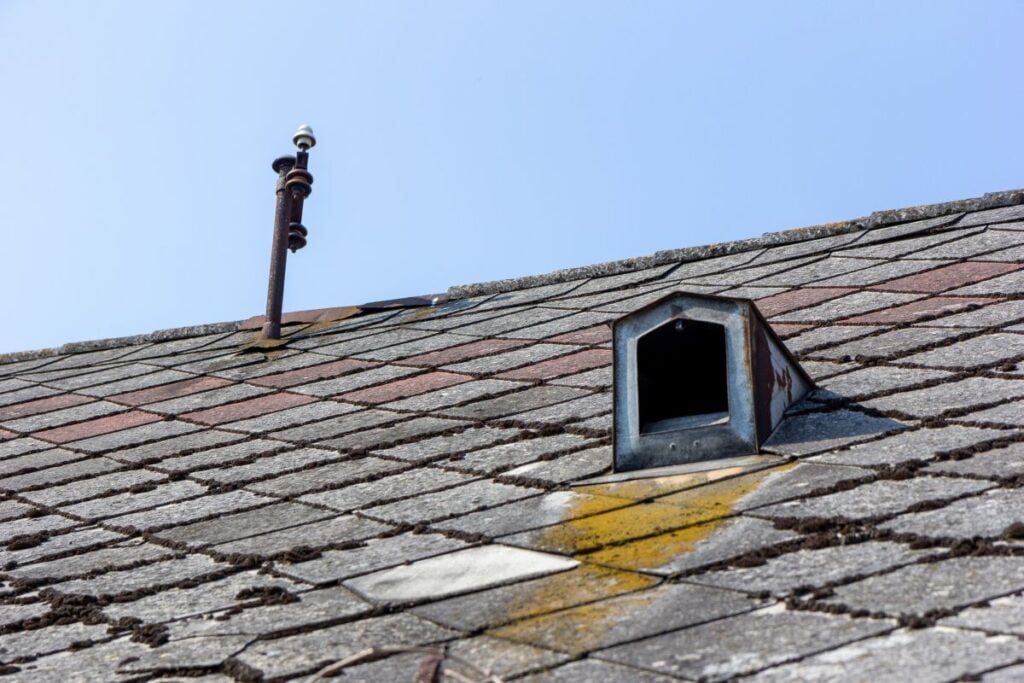
Soft green patches from moss are technically a separate category from mold, algae, and lichen, but they’re often grouped together because they share similar growing conditions. Moss is the most damaging of the five because it holds significant moisture against the shingle and can lift shingle edges as it grows. Removal requires careful manual work paired with treatment to prevent regrowth, and moss is the strongest sign that your roof may have ventilation or drainage issues that need attention.
- Treatment cost: $400 to $1,200 depending on coverage and roof complexity.
- DIY risk: Moss removal exposes shingle damage that needs professional assessment.
- Underlying issues: Moss often signals poor drainage or excessive shade. Clogged gutters can trap water on the roof, creating an ideal environment for mold and algae to thrive by preventing proper drainage and airflow.
- Damage potential: Established moss can cause shingle lift, granule loss, and underlying decking damage.
- Prevention: Tree trimming, keeping gutters clean to reduce trapped water, and zinc strips help prevent mold and algae growth and reduce regrowth significantly.
5. Powdery Surface Growth From Mildew
Powdery surface growth from mildew is often the early stage of a mold problem and one of the easiest issues to address if caught early. Mildew appears as a thin, powdery layer on the shingle surface, usually gray, white, or pale yellow in color, and it tends to show up in shaded, damp areas before progressing into thicker mold colonies. Catching mildew early lets you treat the surface and address the moisture conditions that are feeding it before more aggressive organisms take hold.
- Treatment cost: $250 to $600 for early-stage mildew on most homes.
- DIY risk: Surface cleaners can damage shingles if used incorrectly or at wrong concentrations.
- Early indicator: Mildew is a warning sign of larger moisture and mold problems on the roof.
- Treatment timing: Address mildew quickly—if left unaddressed, it can progress to widespread mold or algae.
- Prevention: Improving sunlight exposure, ventilation, and drainage stops mildew from coming back.
When to Call a Professional for Roof Cleaning
Some roof growth issues can be monitored and prevented without immediate professional involvement. However, when dealing with widespread mold or significant mold problems, proper assessment and professional remediation are crucial to accurately identify the extent of contamination and ensure effective removal. Others require professional attention right away to prevent damage to the shingles, the underlayment, or the roof structure itself. Knowing the difference protects both your roof and your wallet.
What to Watch For Before Calling
The right time to call a professional depends on what you’re seeing, how widespread it is, and whether it’s getting worse. Most homeowners benefit from an annual roof inspection that catches issues before they spread, but certain warning signs warrant a call sooner. We perform these evaluations on roofs in Mooresville and surrounding areas as part of our maintenance program, and the homeowners who act on early signs avoid the more expensive repairs that come from waiting.
- Visible streaks spreading quickly: Algae that doubles in size over a few months needs attention.
- Lichen colonies appearing: Established lichen is much harder to remove than early growth.
- Moss growth on shaded slopes: Moss can cause shingle damage if left untreated.
- Fuzzy growth or musty smells: Possible signs of true mold and underlying moisture issues.
- Granule loss in gutters: Indicates the cleaning issue may have already damaged shingles.
Why DIY Roof Cleaning Is Risky
DIY roof cleaning is one of the most common ways homeowners accidentally damage their own roofs. Pressure washers strip shingle granules, manual scrubbing pulls lichen and granules loose together, and the wrong cleaning chemicals can void manufacturer warranties. While some homeowners use a mixture of bleach and water, trisodium phosphate (TSP), or commercial roof cleaning products to remove mold, it’s essential to choose the right method based on the roof type and severity of the mold problem. Walking on a roof for cleaning also creates fall risk and can crack shingles or damage flashing, especially on steeper pitches.
- Pressure washing damage: Even moderate pressure removes shingle granules permanently.
- Chemical risk: Some cleaning products, including improper use of TSP or bleach, can void GAF and CertainTeed warranties.
- Fall risk: Roof cleaning is one of the most common home maintenance injury sources.
- Hidden damage: DIY cleaning often masks underlying issues rather than addressing them.
- Warranty implications: Improper cleaning can disqualify your roof from manufacturer coverage.
Frequently Asked Questions
How much does professional roof cleaning cost?
Professional roof cleaning typically costs $300 to $700 for algae removal on most homes, $400 to $900 for lichen treatment, and $400 to $1,200 for moss removal. Cost depends on roof size, pitch, growth severity, and the cleaning method required. Bundling cleaning with an annual roof inspection often reduces the total cost.
How often should a roof be cleaned?
Most asphalt shingle roofs benefit from professional cleaning every 3 to 5 years, depending on tree coverage, shade, and humidity exposure. Roofs with persistent algae issues or heavy tree cover may need cleaning more frequently. An annual inspection catches growth issues before they require full cleaning.
Will roof cleaning damage my shingles?
Professional roof cleaning using manufacturer-approved soft washing techniques will not damage shingles when performed correctly. Pressure washing, aggressive scrubbing, or improper chemicals can strip shingle granules and shorten roof lifespan. Always use a contractor familiar with the specific shingle manufacturer’s cleaning guidelines.
Are algae-resistant shingles worth the upgrade?
Algae-resistant shingles from manufacturers like GAF and CertainTeed include copper granules that inhibit algae growth for 10 or more years. The upgrade typically adds 5 to 10 percent to the cost of a new roof and is worth it in humid climates with significant tree coverage. The savings on long-term cleaning costs usually offset the upgrade price.
Does homeowners insurance cover roof mold or algae damage?
Homeowners insurance typically does not cover algae or moss removal because these are considered maintenance issues. True mold caused by a covered event, like storm damage that led to a leak, may be covered. Documentation of regular maintenance helps support claims when underlying damage is involved.
Can I prevent roof algae from coming back?
Algae can be discouraged from returning by installing zinc or copper strips near the roof ridge, trimming overhanging branches to increase sunlight, and keeping gutters clean to prevent moisture retention. Algae-resistant shingles installed during a future roof replacement provide the longest-lasting prevention.
Why Roof Medic Is the Right Team to Identify and Treat Roof Growth
Roof Medic is a GAF Master Elite Contractor and CertainTeed SELECT ShingleMaster, placing us in the top 3% of roofers nationwide and qualifying us for the highest-tier manufacturer warranties available. We inspect first and recommend second on every roof growth issue we evaluate, which means we identify exactly what’s growing on your roof before suggesting any treatment. If it’s algae and the right call is a soft wash, we’ll tell you. If it’s true mold tied to a moisture problem in the roof assembly, we’ll explain what we see and walk you through the underlying repair. Our workmanship warranty is 2 years standard and 5 years when homeowners follow our recommended approach, all backed by a veteran-owned team that takes your home as seriously as you do.
Ready for an honest evaluation of what’s actually growing on your roof? Contact Roof Medic today to schedule an inspection in Mooresville and surrounding areas. We’ll identify exactly what you’re dealing with and recommend the right treatment to protect your shingles, your warranty, and your home for years to come.