704.228.7788
 05/14/2026
 11 minutes Read
How long do tile roofs last before they need major repairs depends on the type of tile, the quality of the installation, the underlayment beneath the tiles, and the climate they’re exposed to. Most tile roofs last 50 to 100 years, but the supporting components, especially the underlayment, often need attention long before the tiles themselves. For homeowners in Davidson and surrounding areas considering a tile roof or already living under one, understanding the real lifespan timeline helps you plan for repairs before small issues turn into expensive damage.
Here’s what you’ll learn in this guide:
- Real lifespan numbers by material: What concrete, clay, and slate tile roofs can actually deliver.
- The four major repair categories: What typically fails first and when to expect it.
- How to extend the life of your tile roof: Maintenance practices and inspection schedules that matter most.
Understanding the True Lifespan of a Tile Roof
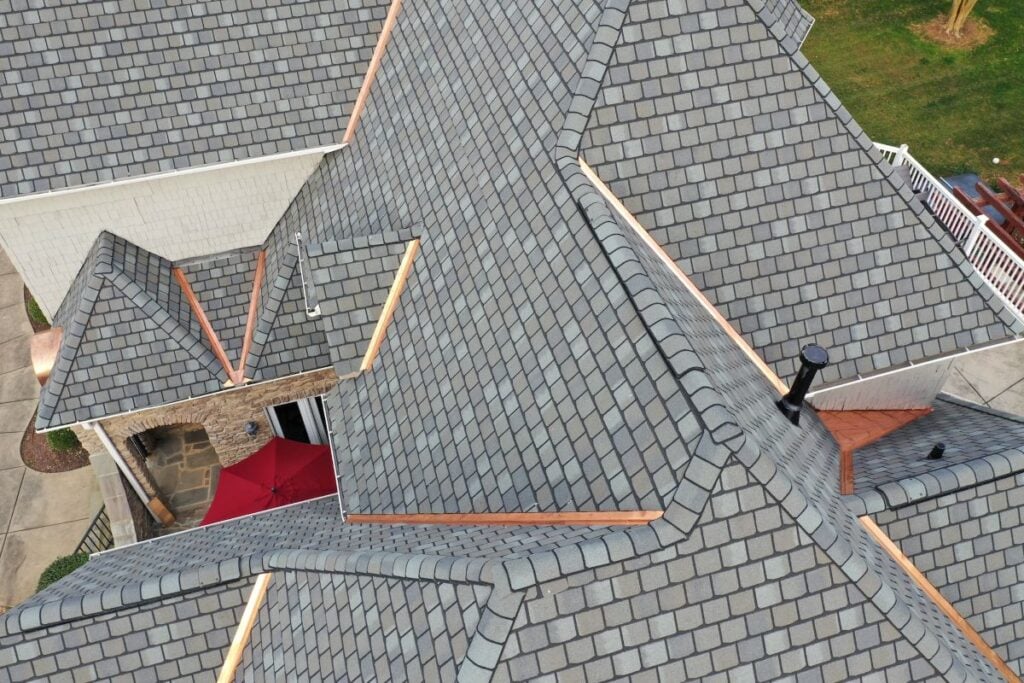
A tile roof’s true lifespan is the combined service life of the tiles themselves and every component supporting them. The tiles can outlast the homeowners who installed them, but the underlayment, fasteners, flashing, and ridge caps all wear out on shorter timelines that drive most major repair needs.
How Tile Material Affects Lifespan
The material of your tile roof is the single biggest factor in how long it will last before needing major work. Clay, concrete, and slate each have different durability profiles, different weights, and different price points, all of which affect how the roof performs over decades. According to the Tile Roofing Industry Alliance, clay and concrete tiles have been tested against heavy rain, hurricane-force winds, hail, and freeze-thaw conditions, and the manufacturer warranties on these products typically exceed those of other roofing materials. That track record is one reason tile roofs remain a strong choice for long-term ownership.
- Clay tile: 75 to 100+ years when properly maintained, with some clay roofs in service for centuries.
- Concrete tile: 50 to 70 years on average, with high-quality installations reaching 75 years.
- Slate tile: 75 to 200 years, the longest-lasting tile material available.
- Composite tile: 30 to 50 years, with lighter weight but shorter service life.
- Metal tile: 40 to 70 years, combining tile aesthetics with metal durability.
What Components Wear Out First
The tiles themselves are rarely the first thing to fail on a tile roof. The supporting components have shorter lifespans, and most major repair calls we get on tile roofs in Davidson and surrounding areas trace back to one of the components below rather than the tiles. Understanding which parts wear first helps you budget for repairs at the right intervals instead of being surprised by them.
- Underlayment: Typically needs replacement every 20 to 30 years, well before the tiles wear out.
- Flashing: Metal flashing around chimneys, valleys, and skylights usually lasts 25 to 40 years.
- Fasteners: Nails, screws, and clips can corrode or loosen, especially on older installations.
- Ridge and hip caps: The mortar or adhesive holding ridge caps in place degrades faster than the tiles.
- Battens: Wood battens supporting the tiles can rot if water gets past the underlayment.
4 Major Repair Categories Tile Roofs Need Over Their Lifespan
Tile roofs need different types of major repairs at different points in their lifespan. The four categories below cover almost every significant repair we perform on tile roofs, and knowing what to expect at each stage helps you plan ahead instead of reacting to problems.
1. Underlayment Replacement at 20 to 30 Years
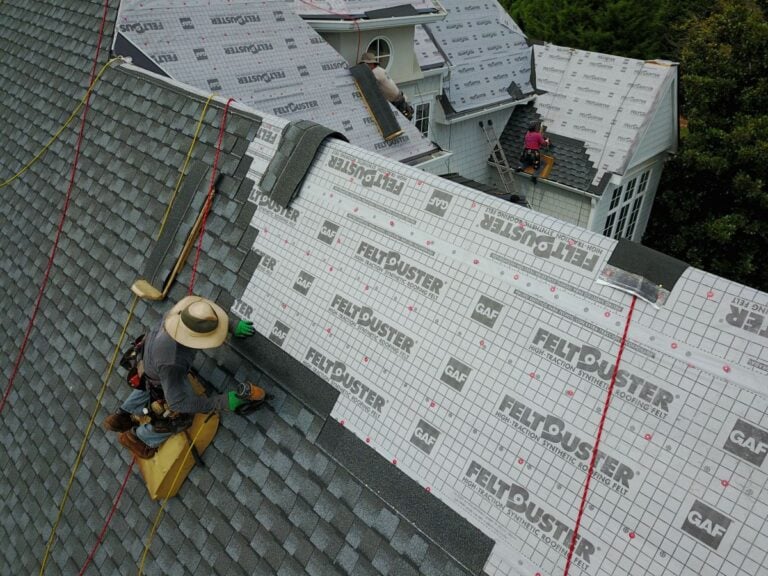
Underlayment replacement is the single most common major repair on a tile roof and typically the first big project a tile roof needs. The underlayment is the waterproof membrane installed beneath the tiles that actually keeps water out of your home, and it wears out long before the tiles do. When the underlayment fails, water gets through small gaps between tiles and into the roof deck, which can cause leaks, rot, and mold even though the tiles themselves still look fine. This repair involves removing the tiles, installing new underlayment, and reinstalling the same tiles, which makes it labor-intensive but extends the roof’s life by another 25 plus years.
- Cost range: $7,000 to $20,000 depending on roof size and tile type.
- Project duration: 1 to 3 weeks for most residential tile roofs.
- Tile reuse: 80 to 90% of original tiles can typically be reinstalled.
- Replacement materials: Synthetic underlayment now lasts 30 to 50 years versus 20 for older felt.
- Warranty implications: A new underlayment usually comes with its own manufacturer warranty.
2. Cracked or Broken Tile Replacement Throughout the Lifespan
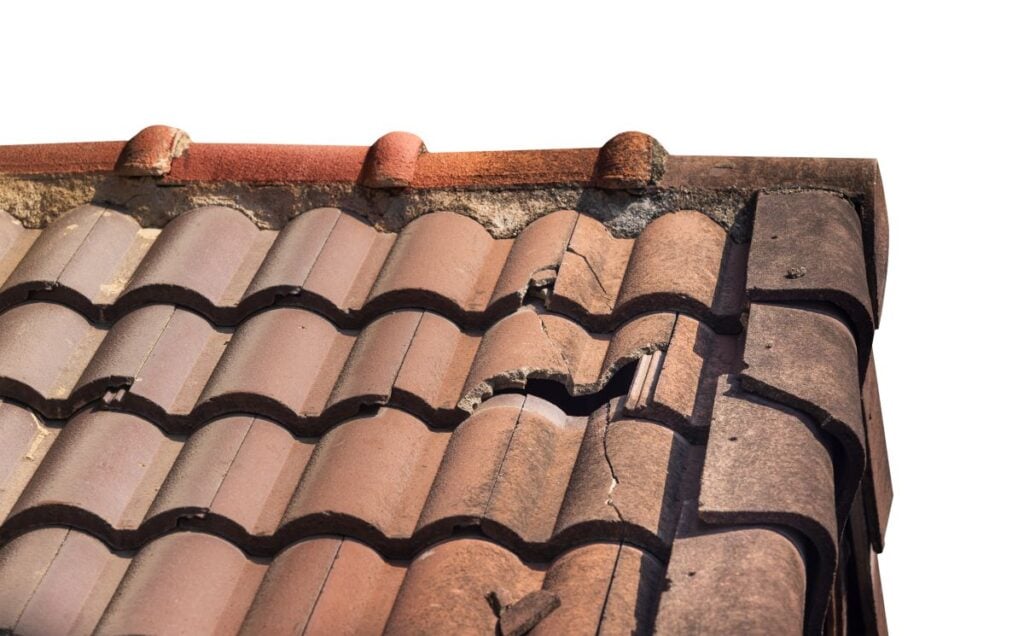
Cracked or broken tile replacement is an ongoing repair category rather than a one-time event. Individual tiles can crack from impact, foot traffic, falling tree limbs, hail, or thermal stress, and replacing them quickly prevents water from reaching the underlayment. Most tile roofs need a handful of tiles replaced every few years across their service life, and the cost stays manageable as long as you address the issue promptly. Letting broken tiles sit allows water to wear down the underlayment in that specific spot, which can turn a $200 repair into a $5,000 problem.
- Cost per tile replaced: $20 to $80 for the tile itself, plus labor.
- Typical service call: $200 to $600 for replacing 1 to 5 tiles.
- Ideal frequency: Annual inspections catch broken tiles before they cause damage.
- Material matching: Older tile colors can be hard to match exactly, so saving spare tiles from the original install matters.
- Risk of delay: Leaks from broken tiles often appear well below the actual damage point.
3. Flashing and Ridge Cap Repairs at 25 to 40 Years
Flashing and ridge cap repairs come due in the middle of a tile roof’s lifespan, typically 25 to 40 years after installation. Metal flashing around chimneys, vents, valleys, and roof-to-wall transitions wears out from thermal cycling, corrosion, and sealant breakdown. Ridge and hip caps, which sit at the peak of the roof and the angles where roof planes meet, have mortar or adhesive that degrades faster than the tiles themselves. Both of these are common leak points on older tile roofs, and addressing them at the right time prevents water from reaching the underlayment beneath.
- Flashing replacement cost: $500 to $2,500 depending on the number of penetrations.
- Ridge cap repair cost: $400 to $1,800 for partial repairs, more for full ridge replacement.
- Materials used: Modern flashing systems use higher-grade metals and longer-lasting sealants.
- Inspection priority: Flashing and ridges should be checked annually after age 20.
- Common warning signs: Visible rust, missing mortar, displaced ridge caps, or interior staining.
4. Full Tile Replacement at End of Service Life
Full tile replacement comes due at the very end of the roof’s service life, which can range from 50 years for concrete to over a century for clay and slate. By this point, the tiles themselves show widespread wear, color fading, surface degradation, or repeated cracking that makes one-by-one repairs impractical. A full replacement is the largest investment in a tile roof’s lifecycle, but it sets the home up for another 50 to 100 years of protection. This is also the right time to evaluate whether tile is still the right material, since modern roofing systems have changed significantly since most older tile roofs were installed.
- Cost range: $20,000 to $80,000+ depending on roof size, tile choice, and structural needs.
- Project duration: 2 to 6 weeks for most residential properties.
- Structural review: Older homes may need framing reinforcement to support modern tile weight.
- Material upgrades: New underlayment, flashing, and fasteners are all included in a full replacement.
- Long-term value: A new tile roof can outlast the next two or three asphalt shingle replacements.
How to Extend the Life of Your Tile Roof
Extending the life of a tile roof comes down to consistent maintenance, prompt repairs, and avoiding the practices that cause the most damage. The homeowners who get the longest service life from their tile roofs treat them as long-term assets that need annual attention rather than set-and-forget systems.
What Annual Maintenance Should Include
Annual maintenance on a tile roof should be performed by a professional with experience walking on tile, since improper foot traffic is one of the leading causes of tile damage. The service should cover the full system, not just a visual sweep from the ground. We perform this service on tile roofs in Davidson and surrounding areas as part of our maintenance program, and the homeowners who stay on schedule consistently outlast the projected service life of their roofs.
- Tile condition check: Every tile inspected for cracks, slippage, or surface degradation.
- Underlayment evaluation: Visible underlayment areas inspected for tears, gaps, or aging.
- Flashing inspection: All metal flashing checked for corrosion, sealant failure, or movement.
- Ridge and hip cap review: Mortar and adhesive condition checked at all peaks and transitions.
- Debris removal: Leaves, branches, and moss removed to prevent moisture buildup.
Common Mistakes That Shorten Tile Roof Lifespan
Most premature tile roof failures we investigate trace back to a short list of preventable mistakes. Avoiding these protects your investment and keeps you closer to the upper end of the projected lifespan rather than facing major repairs decades early.
- Walking on tile incorrectly: Improper foot traffic cracks tiles, especially older ones.
- Pressure washing the roof: High-pressure water can dislodge tiles and damage the surface coating.
- Ignoring small cracks: A single broken tile can lead to underlayment failure within a year.
- Skipping annual inspections: Problems caught early cost a fraction of what they cost once they spread.
- Using non-tile-experienced contractors: Tile roofs require specific knowledge that asphalt-focused contractors often lack.
Frequently Asked Questions
How much does a tile roof repair cost?
Tile roof repairs typically range from $200 to $600 for replacing a few broken tiles, $500 to $2,500 for flashing repairs, and $7,000 to $20,000 for an underlayment replacement. Full tile roof replacements range from $20,000 to $80,000 or more depending on roof size and tile material. Costs vary based on tile availability, roof complexity, and labor rates in your area.
How often should a tile roof be inspected?
A tile roof should be inspected at least once a year by a professional, with additional inspections after major storms. Annual inspections catch broken tiles, flashing wear, and underlayment issues before they cause expensive damage. Homes with heavy tree cover may benefit from twice-yearly inspections to address debris buildup.
Can I replace broken tiles myself?
Replacing tiles on your own roof is possible but not recommended for most homeowners. Walking on tile incorrectly cracks more tiles than you fix, matching old tile colors is difficult, and improperly seated replacement tiles can leak. A professional tile roofing team handles the work safely and ensures the repair lasts.
How long does the underlayment under tiles last?
Modern synthetic underlayment lasts 30 to 50 years, while older felt underlayment typically lasts 20 to 30 years. The underlayment is usually the first major component to fail on a tile roof, well before the tiles themselves. Replacing it requires removing and reinstalling the tiles, which is the largest mid-life repair most tile roofs need.
Are tile roof repairs covered by insurance?
Tile roof repairs caused by storm damage, hail, falling trees, or other covered events are typically eligible for homeowners insurance claims. Repairs related to normal wear, age, or lack of maintenance are not covered. Documentation of regular inspections and prompt repairs supports claims when storm damage occurs.
Do tile roofs need permits for major repairs in North Carolina?
Major tile roof repairs in North Carolina typically require a roofing permit, especially when work involves the underlayment, structural framing, or full replacement. Smaller repairs like replacing a handful of tiles usually don’t require a permit. A licensed roofing contractor will handle permit requirements as part of any major project.
Why Roof Medic Is the Right Team for Your Tile Roof Repairs
Roof Medic is a GAF Master Elite Contractor and CertainTeed SELECT ShingleMaster, placing us in the top 3% of roofers nationwide and qualifying us for the highest-tier manufacturer warranties available. We inspect first and recommend second on every tile roof we evaluate, which means we look at the full system before suggesting any repair. If your tile roof just needs a few replacement tiles, that’s what we’ll tell you. If the underlayment is past its service life, we’ll explain what we see and walk you through your options. Our workmanship warranty is 2 years standard and 5 years when homeowners follow our recommended approach, all backed by a veteran-owned team that takes your home as seriously as you do.
Ready for an honest evaluation of your tile roof? Contact Roof Medic today to schedule an inspection in Davidson and surrounding areas. We’ll tell you exactly where your tile roof stands in its lifecycle and what repairs, if any, it actually needs to keep protecting your home for decades to come.