704.228.7788
 704.228.7788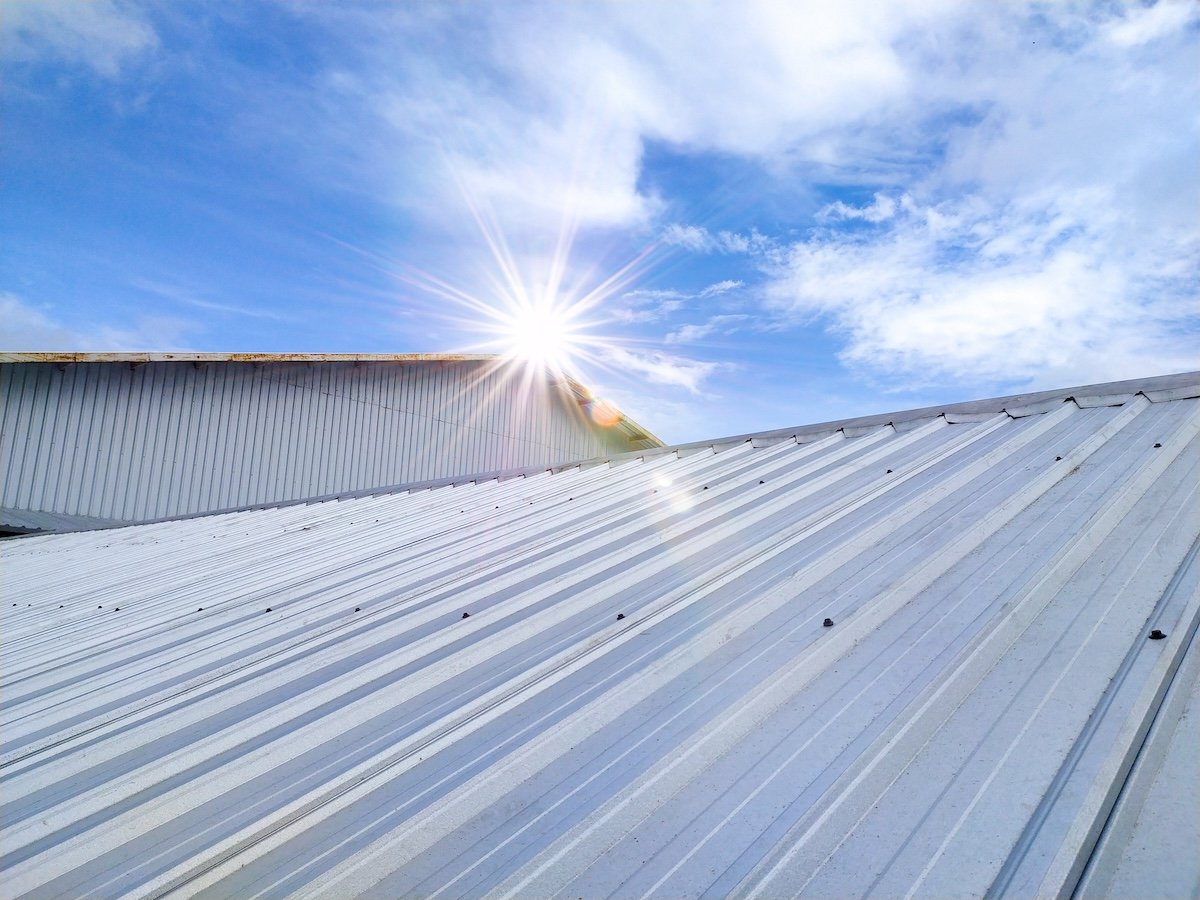
 11/04/2025
 7 minutes Read
Choosing the best roofing materials for your home is one of the most important decisions you’ll make as a homeowner. The roof plays a vital role in protecting your home from the elements, especially during severe storms. From wind and hail to heavy rain, the right roofing material can determine how well your property weathers the next big storm. However, it’s essential to remember that roofing performance depends on installation quality, local climate, and maintenance; there’s no one-size-fits-all solution.
Before deciding on your next roofing project, keep these key insights in mind:
- Durability varies: Not all roofing materials are equally storm-resistant or long-lasting.
- Installation quality matters: Even premium materials can fail without expert installation.
- Local conditions influence choice: The best roofing materials in one region may differ in another.
What Makes a Roof Storm-Resistant?
A storm-resistant roof is designed to protect against high winds, hail impact, and water intrusion. The strength of your roof depends not only on the surface material but also on how the roof structure and underlayment are built and maintained.
How Roofing Materials Are Rated
Manufacturers test roofing materials for wind, impact, and fire resistance. Ratings like UL 2218 Class 4 for hail impact or ASTM D3161 Class F for wind resistance help homeowners compare performance across different roofing options. These ratings ensure your roof can withstand the harsh conditions often experienced in Huntersville and surrounding areas.
Why Roof Strength Matters
Homes in this region often experience strong storms and seasonal wind gusts. Investing in the right roofing materials protects your roof deck, reduces repair frequency, and helps maintain your home’s value. Roofing contractors can recommend the best materials for both residential and commercial properties based on your home’s design and exposure to local weather.
6 Roofing Materials Known for Storm Resistance
There are many types of roofing materials on the market today, but only a few consistently prove their durability under storm conditions. Here are six that stand out for their strength and long-term reliability.
- Metal Roofing
Metal roofing is widely regarded as one of the most durable and storm-resistant systems available. Whether you choose standing seam metal roofs or metal roofing shingles, these materials can handle high winds and heavy rain with ease.- Wind and hail resistance: Metal roofs can endure gusts exceeding 140 mph and resist hail penetration better than many other roofing materials.
- Energy efficiency: The reflective surface reduces heat absorption, improving home comfort.
- Longevity: With proper maintenance, a metal roof can last up to 70 years.
- Versatility: Suitable for both flat roofs and steep slopes, metal is one of the most common roofing materials used in storm-prone regions.
- Asphalt Shingles (Impact-Resistant and Architectural Shingles)
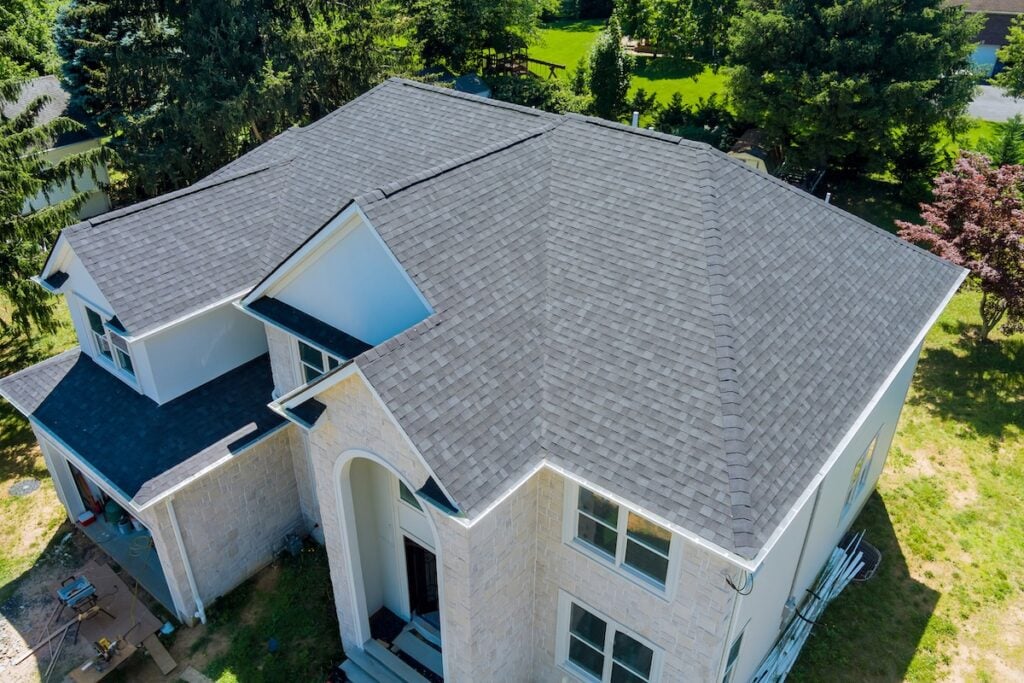
Asphalt shingles remain a popular roofing material because of their affordability and improved durability. High-quality architectural shingles, also known as dimensional shingles, offer better wind and hail protection than traditional three-tab shingles.- Affordability: One of the most cost-effective and common roofing materials.
- Variety: Available in many colors and textures to complement your home’s style.
- Performance: Impact-rated versions provide excellent storm resistance.
- Consideration: Always choose Class 4 impact-resistant shingles for the best protection in Huntersville and surrounding areas.
- Slate Roofing
Natural slate roofing is a timeless and highly durable option known for its superior storm performance. This natural material resists high winds, fire, and hail better than most common roofing materials.- Longevity: Slate roofs can last over 100 years when maintained properly.
- Aesthetic value: Offers an elegant, classic look.
- Durability: Dense stone composition provides outstanding impact resistance.
- Consideration: Due to its weight, slate requires a strong roof structure and professional installation.
- Synthetic Roofing Materials
Synthetic roofing materials, including composite and polymer-based options, are designed to replicate the appearance of slate, wood, or tile while offering lighter weight and higher impact resistance.- Storm performance: Many synthetic roofing systems achieve Class 4 impact ratings.
- Maintenance: Easier to maintain than natural stone or wood roofing.
- Sustainability: Often made from recycled materials, making them eco-friendly.
- Consideration: Always confirm the manufacturer’s testing data to ensure reliable performance.
- Clay and Concrete Tile Roofing
Both clay tiles and concrete tiles are traditional yet powerful choices for storm resistance. Concrete tile roofing offers excellent wind performance, while clay tile roofing adds superior durability and aesthetic appeal.- Longevity: Both clay and concrete tile roofs can last 50 years or more.
- Storm durability: Their weight helps them resist wind uplift better than lighter roofing options.
- Fire and heat resistance: Excellent for maintaining home safety and energy efficiency.
- Consideration: Tile roofing should only be installed by experienced roofing contractors to avoid cracking or displacement.
- Wood Shingles and Wood Roofing Shakes
While wood shingles and shakes may seem less storm-resistant, modern treated wood roofing options provide improved durability and weather performance. Cedar shakes, in particular, have natural oils that resist decay and moderate impact.- Aesthetic charm: Offers a natural and rustic appearance that enhances curb appeal.
- Durability: With modern treatment, wood roofing can handle strong winds and resist moisture.
- Maintenance: Requires regular care to maintain its longevity.
- Consideration: Best for homeowners who appreciate traditional design and are committed to maintenance.
Other Factors That Influence Roof Performance
Even with the best materials, your roof’s resilience depends heavily on the installation and supporting components. Roofing contractors emphasize that attention to detail during construction can make or break storm protection.
Proper Installation Practices
A storm-resistant roof begins with expert craftsmanship. Precise nailing, fastening, and sealing prevent wind uplift and water intrusion. The installation method should match the roofing material — for example, standing seam metal roofs require specialized tools and techniques.
Roof Design and Structure
The design of your roof influences how it responds to weather. Steeper pitches shed water more efficiently, while low-slope or flat roofs need additional waterproofing. Homeowners in Huntersville and surrounding areas should consult with experienced roofing contractors who understand the local wind and rainfall patterns.
Underlayment and Flashing
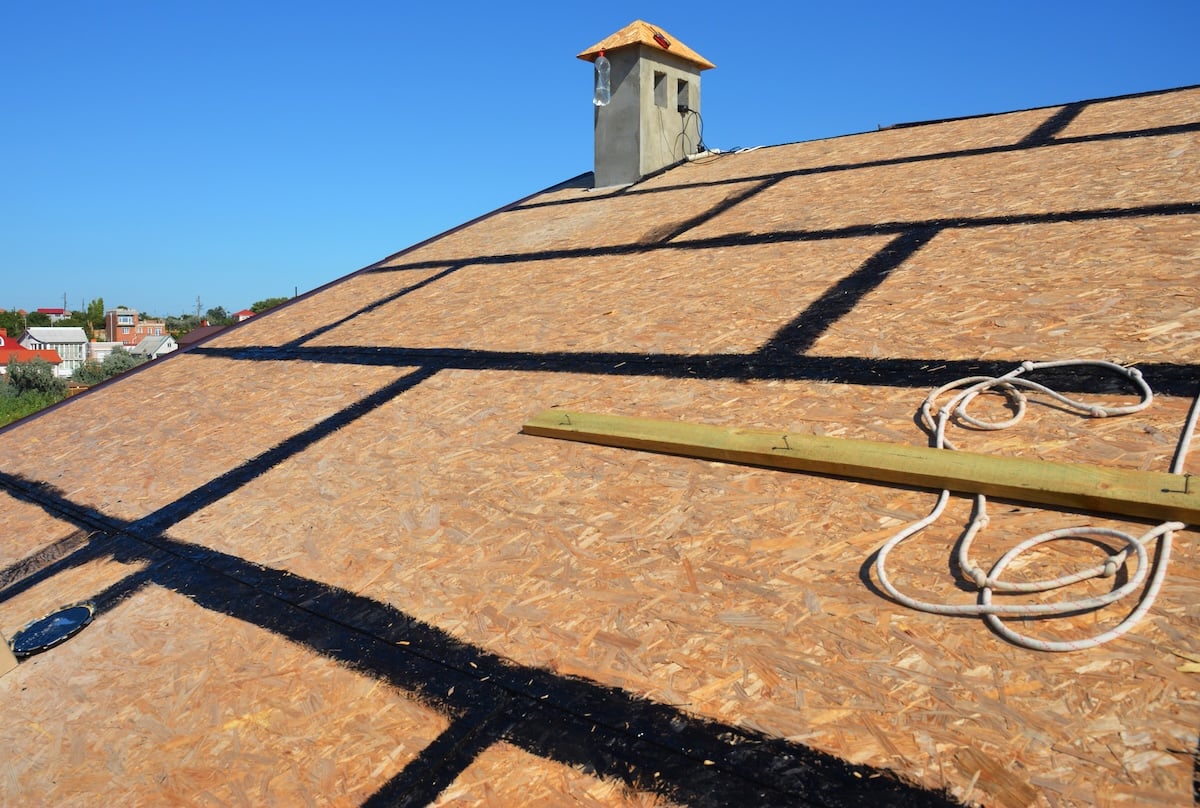
A durable underlayment and proper flashing are critical for keeping water out during severe storms. Even if the outer roofing layer sustains damage, these hidden components protect the roof deck and prevent leaks.
Comparing Cost and Longevity of Roofing Materials
When comparing the most common roofing materials, it’s important to consider both upfront cost and long-term performance. Premium roofing materials often cost more initially but deliver better value over time.
Cost Considerations
Metal roofing, slate, and tile systems tend to have higher installation costs than asphalt shingles, but they can last significantly longer. Homeowners seeking the best balance of cost and durability often choose architectural shingles or synthetic roofing materials.
Longevity and Value
Metal roofs and concrete tile roofing systems can last 50 years or more, while asphalt shingles generally last 20 to 30 years. Synthetic roofing and slate can outperform most common roofing materials in lifespan and weather protection.
Insurance Incentives
In storm-prone areas like Huntersville and surrounding areas, some insurers offer discounts for installing impact-resistant roofing materials. Upgrading to premium systems may reduce your premiums and prevent costly damage in the future.
Maintaining Your Roof for Peak Storm Performance
Even storm-resistant roofs need proper maintenance to stay strong. Neglecting small issues can lead to larger structural damage over time.
- Regular Inspections: Schedule professional roof inspections twice a year and after major storms. Roofing contractors can identify missing shingles, loose tiles, or weakened fasteners before they cause bigger problems.
- Keep Gutters Clear: Clean gutters prevent water buildup and reduce the risk of leaks around eaves and valleys. Proper drainage is essential for both metal and asphalt shingle roofs during heavy rain.
- Address Small Repairs Quickly: Fixing minor cracks, replacing a damaged shingle, or resealing flashing early prevents expensive repairs later. A proactive approach ensures your new roof continues to perform well for years.
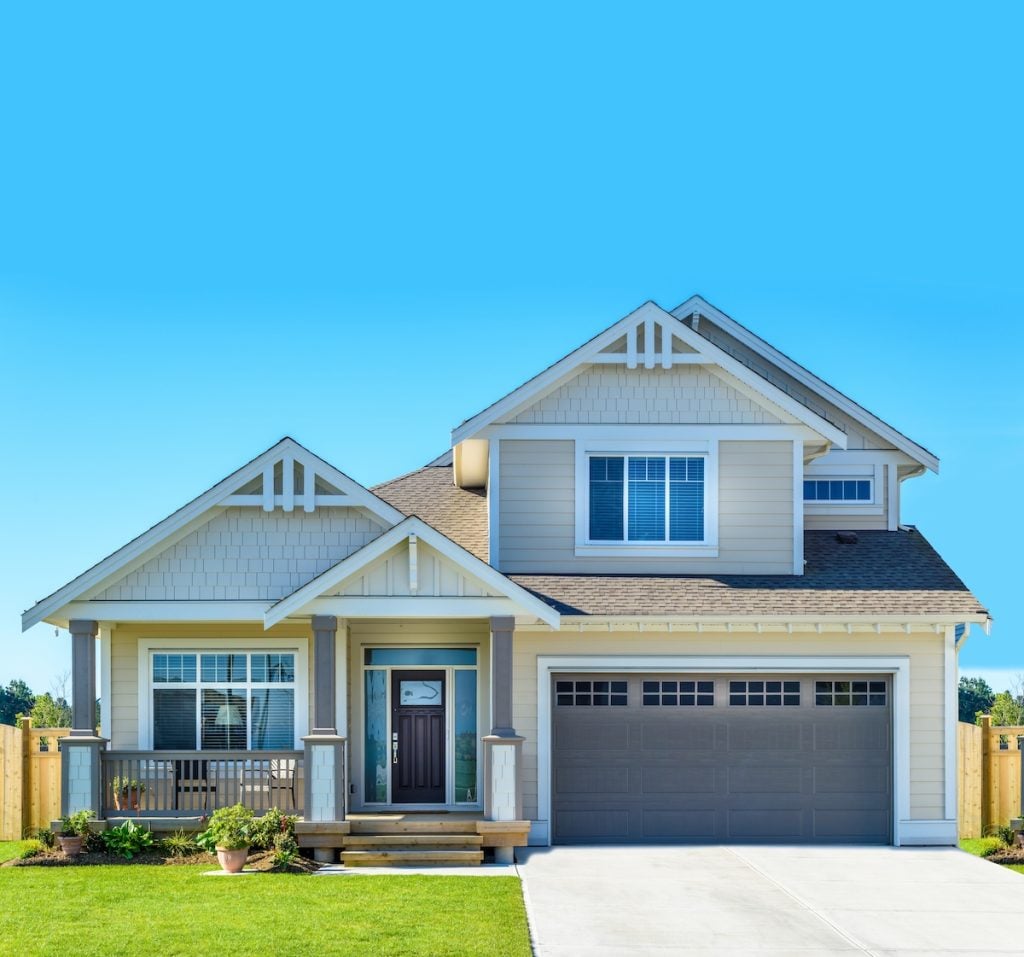
Invest in Long-Term Storm Protection With Roof Medic
Choosing from the best roofing materials requires balancing strength, style, and budget. Whether you’re considering metal roofing, asphalt shingles, concrete tiles, or synthetic roofing, the right system depends on your home’s design and location. There is no single solution that fits every homeowner — but understanding your options helps you make a smarter investment.
Roof Medic proudly helps homeowners in Huntersville and surrounding areas choose and install durable, high-performing roofs that can withstand even the toughest storms. Our team of experienced roofing contractors provides expert guidance and trusted craftsmanship for every project.
Reach out to Roof Medic today for expert guidance on selecting the best roofing materials for your home.