704.228.7788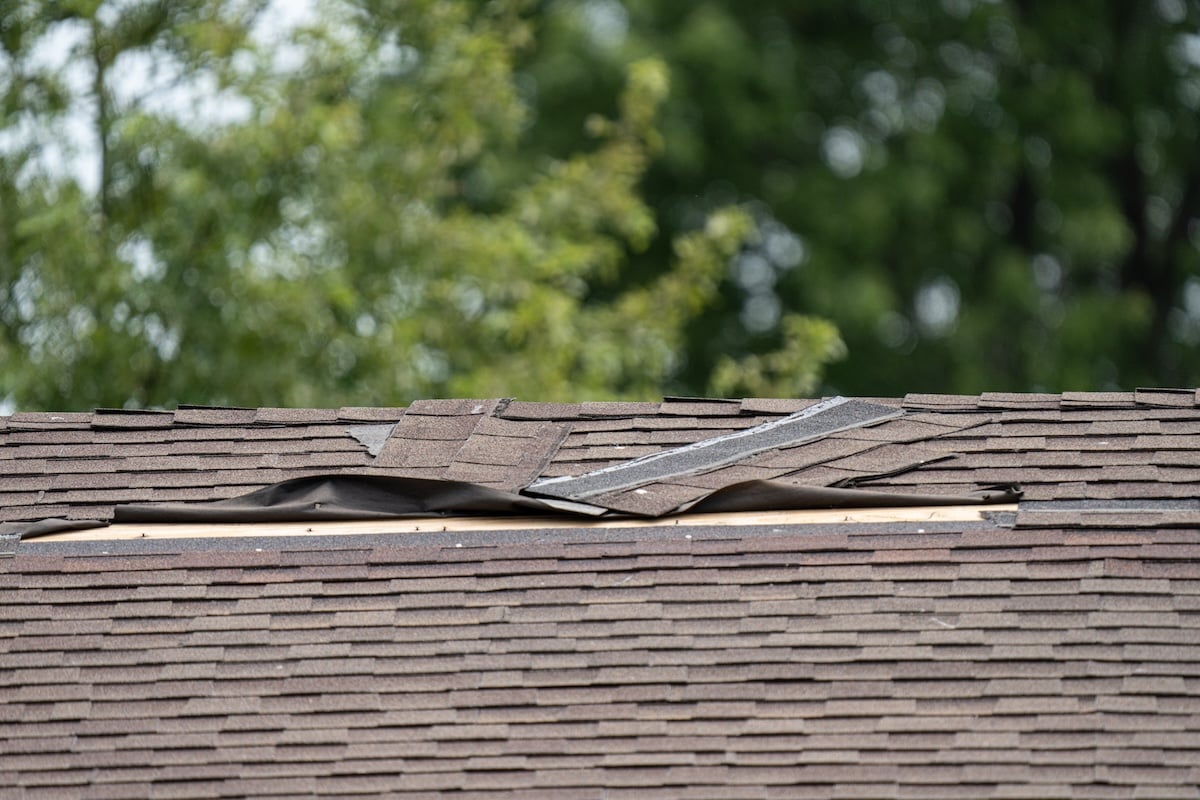
 10/30/2025
 7 minutes Read
When it comes to roofing insurance, one of the most misunderstood aspects for homeowners is the storm deductible. Whether you’re dealing with hail, wind, or fallen branches, understanding how deductibles work is essential to managing costs after a storm. However, it’s important to remember that every insurance policy is different, there’s no one-size-fits-all answer when it comes to coverage or claims.
Before you make assumptions about your policy, here are a few key takeaways to keep in mind:
- Policy variation: Deductible amounts and terms differ by insurer, location, and coverage type.
- Financial responsibility: Your deductible determines how much you’ll pay before your insurance kicks in.
- Expert guidance: A trusted roofing contractor can help you interpret your policy and work alongside your insurer.
What Is a Storm Deductible?
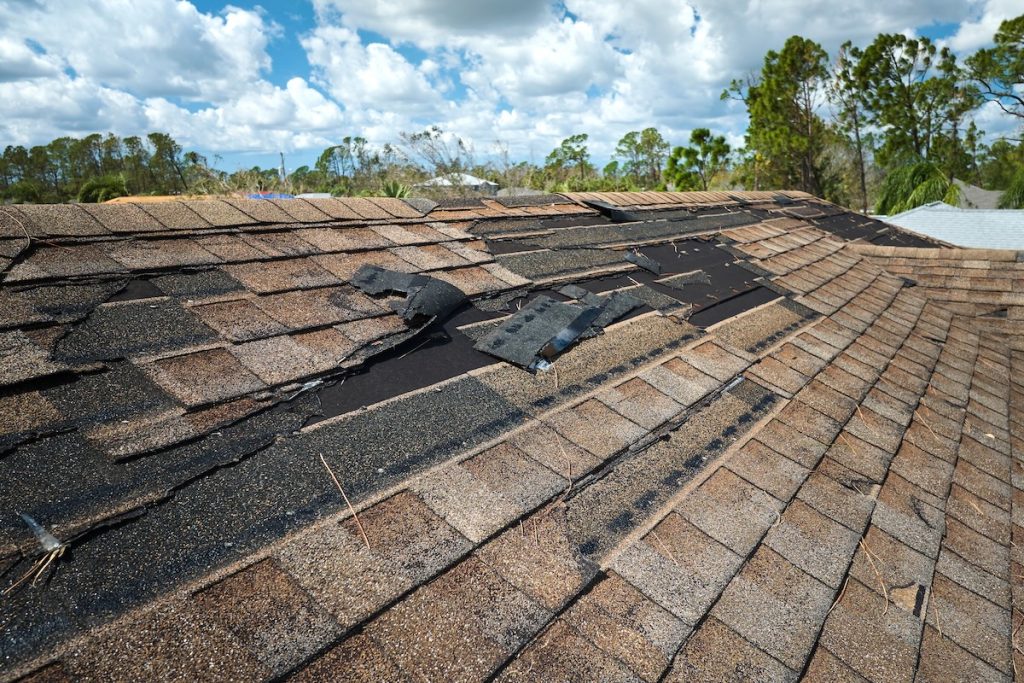
A storm deductible is the amount you must pay out of pocket before your insurance company covers the remaining costs of storm-related roof repairs or replacements. These deductibles often apply specifically to wind or hail damage claims, which are common in areas like Matthews and surrounding areas.
Percentage vs. Flat-Rate Deductibles
Not all deductibles are calculated the same way. Insurance providers typically use one of two methods:
- Percentage-based deductible: Calculated as a percentage of your home’s insured value. For example, a 2% deductible on a $400,000 home equals $8,000.
- Flat-rate deductible: A fixed dollar amount that remains the same regardless of your home’s value, such as $1,000 or $2,500.
Understanding which type applies to your policy helps you better anticipate your financial responsibility if a storm strikes.
Why Storm Deductibles Exist
Storm deductibles were introduced to help insurers manage the high volume of weather-related claims and to share financial risk with homeowners. In regions with frequent hail or wind damage, like Matthews and surrounding areas, this system helps prevent premium costs from rising too sharply for everyone.
Balancing Cost and Coverage
Higher deductibles typically lead to lower insurance premiums, while lower deductibles result in higher premiums. Homeowners should weigh these trade-offs carefully based on their budget and risk tolerance. The right balance depends on how often your area experiences severe weather and how much you’re comfortable paying out of pocket.
7 Things Homeowners Should Know About Storm Deductibles
Not all insurance policies treat storm damage the same way. Before assuming you’re covered, make sure you understand these important details about how storm deductibles affect your roofing insurance claim:
- Deductibles Apply Per Claim, Not Per Year: Your storm deductible resets each time you file a new claim. If two separate storms damage your roof in one season, you could pay the deductible twice.
- Coverage Varies by State and Insurer: North Carolina homeowners may have different deductible structures than residents in other states, even under the same insurance company.
- Separate Deductibles for Different Perils: Some policies list separate deductibles for wind, hail, and hurricane damage, each with unique terms.
- Actual Cash Value vs. Replacement Cost: Policies that pay the depreciated value of your roof (ACV) may leave you paying more out of pocket than replacement cost policies.
- Deductibles Must Be Paid Before Repairs Begin: Insurance providers typically require proof that you’ve paid your deductible before releasing claim funds.
- Waiving Deductibles Is Often Illegal: Be cautious of contractors who offer to “absorb” your deductible. This practice can violate insurance fraud laws and void your claim.
- Documentation Makes a Difference: Keeping records of inspections, receipts, and damage reports strengthens your claim and ensures you’re compensated fairly.
Each of these factors influences your total out-of-pocket cost after a storm, which is why understanding your policy details is so important.
How Roof Damage Impacts Your Deductible
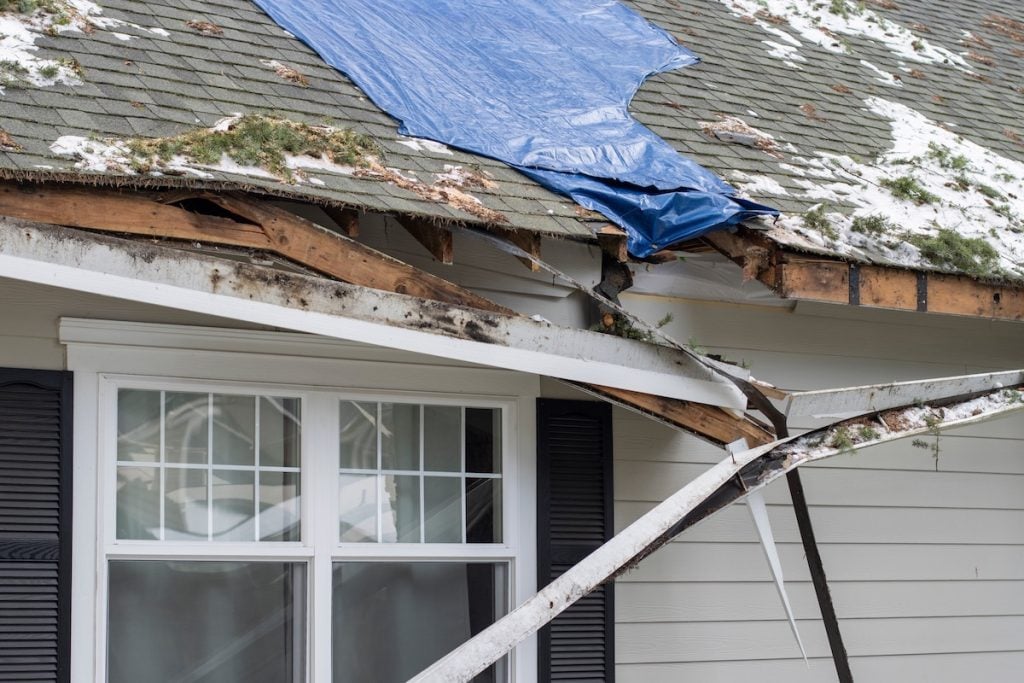
Roof damage caused by wind or hail often triggers the storm deductible clause in your homeowners insurance. However, the type of damage — and whether it’s considered storm-related — affects whether your deductible applies.
Hail and Wind Damage
In many cases, hail or wind-related roof claims fall under specific weather-related deductibles. These may be higher than your standard deductible because of the high cost of weather-related claims in areas like Matthews and surrounding areas.
Tree or Debris Impact
If a fallen tree or debris causes roof damage, your insurer will likely review whether the cause was storm-related or due to neglect. This determination influences whether the storm deductible applies or if your standard deductible does instead.
Common Misconceptions About Storm Deductibles
Many homeowners misunderstand how storm deductibles function, which can lead to frustration during the claims process. Clearing up these myths can save you time and money.
“I Don’t Need to Pay My Deductible if It’s Small”
Even small deductibles must be paid before coverage begins. Insurers require documentation or proof of payment before releasing funds. Ignoring this can delay your claim or reduce your payout.
“My Deductible Is the Same for Every Type of Damage”
Not necessarily. Some policies have separate deductibles for different hazards, including wind, hail, or hurricane damage. Always review your declarations page to confirm your exact responsibilities.
“My Roofing Contractor Can Handle the Deductible”
Be wary of any contractor who claims they can waive or cover your deductible. This practice is considered insurance fraud in most states and can result in penalties or claim denial. Always work with licensed, transparent professionals like Roof Medic.
How to Prepare Before Filing a Storm Claim
Preparation and documentation are key to ensuring a smooth insurance process. Homeowners who take proactive steps often receive faster and fairer claim resolutions.
Schedule Regular Roof Inspections
Routine roof inspections help identify early signs of wear or damage before a storm hits. Having inspection records on file can also support your claim if you need to prove the roof was in good condition prior to a storm.
Take Photos Before and After Storms
Visual evidence is one of the strongest tools you have in the claims process. Take clear photos or videos of your roof and property before storm season and again immediately after severe weather.
Review Your Policy Annually
Insurance terms and deductibles can change over time. Reviewing your policy annually — ideally with both your insurance agent and a trusted roofing contractor — ensures you’re not caught off guard by unexpected costs.
When to Involve a Roofing Professional
Filing a claim without proper documentation or inspection can lead to underpayment or even denial. A qualified roofer can help bridge the gap between you and your insurer.
Inspections After Severe Weather
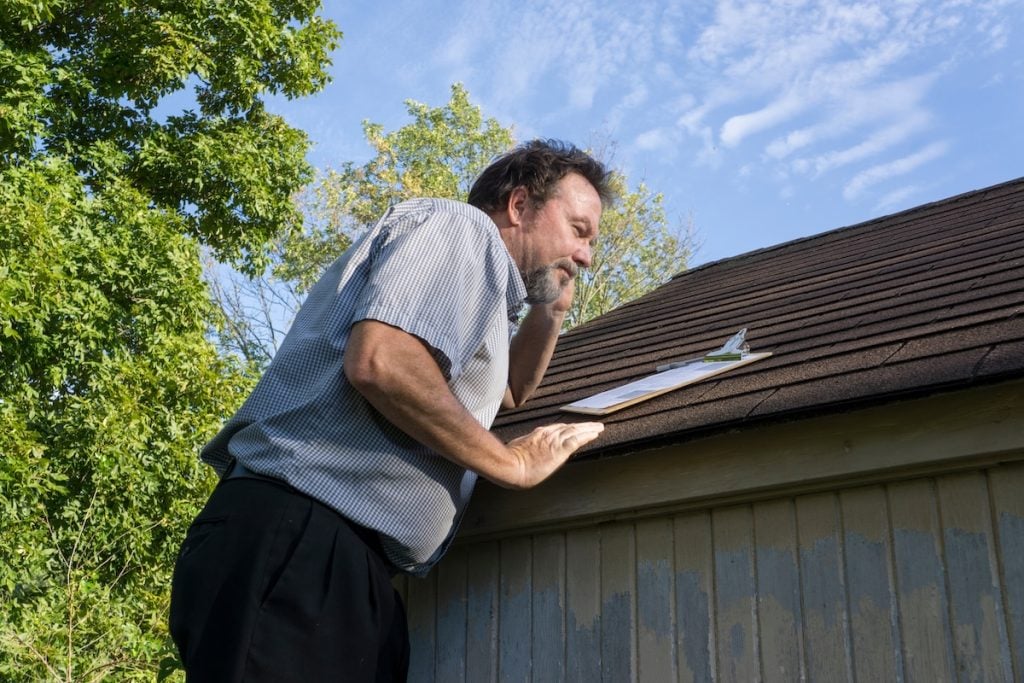
Professional inspections provide credible documentation of damage and can distinguish between storm-related issues and normal aging. Roof Medic’s experts often assist homeowners in Matthews and surrounding areas by providing detailed inspection reports for insurance claims.
Transparent Communication With Insurers
A reputable roofing contractor understands how to communicate with insurance adjusters, ensuring that damage assessments are accurate and that you receive fair compensation for needed repairs or replacements.
Protect Your Roof and Your Wallet With Roof Medic
Every homeowner’s roofing insurance situation is unique. Storm deductibles can vary widely depending on your policy, insurer, and even the type of weather event. That’s why having a trusted expert in your corner makes all the difference.
Roof Medic has helped countless homeowners in Matthews and surrounding areas navigate the complex world of storm damage, insurance claims, and roof repairs with confidence. Our experienced team is here to inspect your roof, explain your options, and guide you through the insurance process step by step.
Reach out to Roof Medic today and get the clarity you deserve before your next storm hits.