704.228.7788
 704.228.7788
 11/25/2025
 6 minutes Read
Proper tile roof maintenance is one of the best ways to protect your home from the elements and extend the life of your roof. Tile roofs are known for their durability and beauty, but they still require consistent care to prevent cracks, leaks, and buildup that can compromise performance. Whether you have clay tiles, concrete tiles, or another type of system, a regular maintenance routine can help your roof last for decades.
Before storm season arrives, homeowners in Huntersville and surrounding areas should focus on preventative steps that safeguard their tile roofs from long-term wear.
- Early detection: Identifying small problems helps avoid large, costly repairs later.
- Proper cleaning: Keeping debris off the roof prevents trapped moisture.
- Professional support: Roofing contractors can provide the safest, most effective maintenance.
Tile Roof Maintenance: Why It Matters
Tile roofs perform well in a variety of climates and offer impressive longevity when properly maintained. However, even though the tiles themselves are strong, the materials beneath — like the underlayment and flashing — can deteriorate without care.
How Weather Impacts Tile Roofs
In areas like Huntersville and surrounding areas, heat, humidity, and heavy rainfall can affect the roof’s performance. Water buildup between tiles or clogged gutters can weaken the structure, while strong winds may loosen or misalign tiles over time.
Signs Your Roof Needs Attention
- Cracked or missing tiles: Allow moisture to reach the underlayment.
- Discoloration: Indicates algae, moss, or mold growth.
- Sagging or uneven lines: May suggest structural stress or loose fasteners.
Regular tile roof maintenance prevents these issues from turning into major structural damage.
8 Tile Roof Maintenance Tips to Prevent Damage
Keeping your roof clean, stable, and well-maintained prevents most common problems homeowners face. The following tips will help you maintain your tile roof’s strength, function, and appearance year-round.
1. Schedule Annual Professional Inspections
Have your tile roof inspected at least once a year by a qualified roofing contractor. Professionals can safely access the roof and detect damage that may not be visible from the ground.
- Post-storm evaluations: Schedule inspections after severe weather events.
- Check flashing and valleys: Ensure water is flowing properly off the roof.
- Examine underlayment: Professionals can lift tiles carefully to inspect for hidden damage.
Annual inspections in storm-prone regions like Huntersville and surrounding areas can prevent minor problems from becoming major repairs.
2. Clean Debris From the Roof
Leaves, pine needles, and other organic debris can hold moisture that leads to leaks or moss growth. Keeping the roof clean helps tiles dry faster and maintain their integrity.
- Use gentle tools: A soft broom or leaf blower prevents scratches.
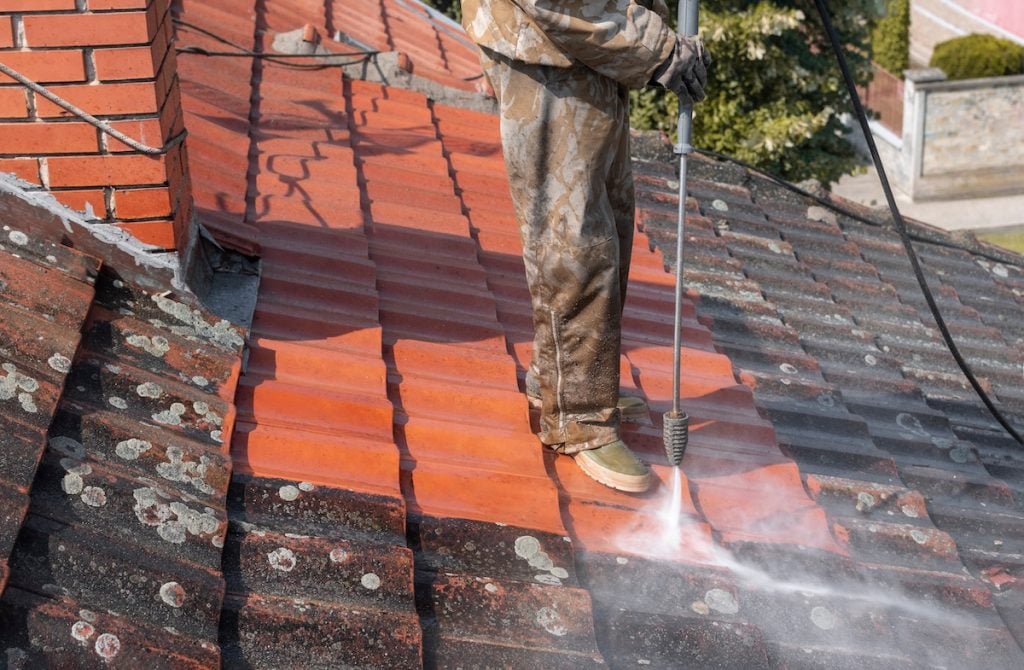
- Avoid pressure washing: High pressure can loosen tiles and strip protective coatings.
- Focus on valleys and gutters: These areas often collect debris that obstructs drainage.
Cleaning should be done at least twice a year or whenever noticeable buildup occurs.
3. Replace Cracked or Broken Tiles
Damaged tiles create direct openings for water to reach the roof deck. Replacing them promptly preserves both the structure and appearance of your roof.
- Inspect after every storm: Wind or hail can crack tiles even if they look fine from the ground.
- Use matching replacements: Ensure new tiles match your roof’s color and material type.
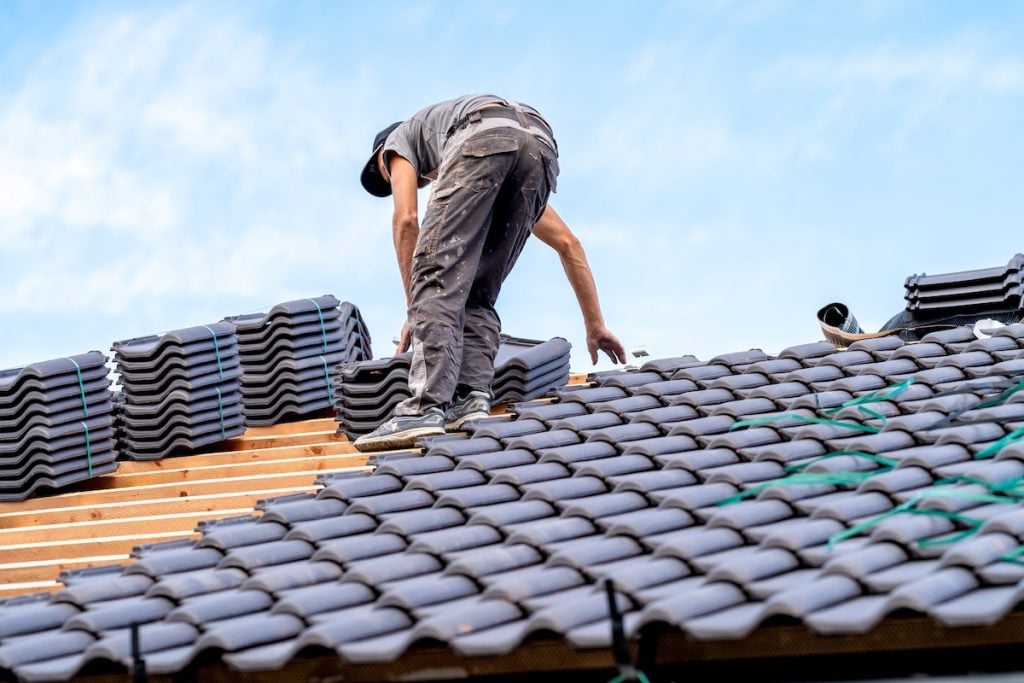
- Avoid DIY replacements: Tiles can easily break if not handled by professionals.
A single missing or broken tile can lead to major water damage, so addressing it quickly is crucial.
4. Keep Gutters and Downspouts Clear
Tile roofs rely on proper drainage to prevent pooling water and structural stress. Clogged gutters cause overflow that seeps beneath tiles and damages the underlayment.
- Clean gutters regularly: Remove leaves and dirt at least twice a year.
- Check downspouts: Ensure water flows freely away from your home’s foundation.
- Secure attachments: Make sure gutter brackets and seams remain tight and aligned.
Good drainage keeps water off your roof and away from vulnerable seams or edges.
5. Prevent Moss and Algae Growth
Moss and algae are common on tile roofs in humid climates. While they may start as a cosmetic issue, they can trap moisture and degrade your tiles over time.
- Install zinc or copper strips: These release ions that naturally prevent growth.
- Use gentle cleaners: Choose oxygen-based or manufacturer-approved cleaning solutions.
- Trim overhanging branches: Increasing sunlight exposure helps tiles dry faster.
Preventing growth early saves both time and repair costs later.
6. Check and Maintain Flashing
Flashing around chimneys, skylights, and roof valleys directs water away from vulnerable areas. Damaged or rusted flashing is one of the leading causes of leaks in tile roofing systems.
- Inspect annually: Look for loose sections or corrosion.
- Seal minor gaps: Apply roofing sealant where flashing meets tiles.
- Replace if necessary: Severely rusted flashing should be swapped out by professionals.
Maintaining flashing is one of the simplest yet most effective ways to prevent water damage.
7. Apply Protective Coatings as Needed
Over time, protective finishes on clay and concrete tiles can wear away. Reapplying a breathable, waterproof coating helps preserve their strength and appearance.
- Use manufacturer-recommended products: Avoid sealants that trap moisture.
- Reapply every few years: Depending on climate exposure, this may vary between three and seven years.
- Hire a professional applicator: Uneven coatings can interfere with tile ventilation.
Protective coatings keep tiles resistant to fading, cracking, and moisture intrusion.
8. Avoid Walking on the Roof
Tile roofs are strong but not designed to support frequent foot traffic. Stepping on tiles can cause cracks or dislodgment, leading to leaks down the line.
- Use walk boards if necessary: These distribute weight safely across multiple tiles.
- Leave major maintenance to professionals: Roofing contractors have the right tools and training to navigate tile roofs safely.
- Inspect from the ground when possible: Binoculars or drones can help identify visible issues without contact.
Limiting roof traffic is one of the easiest ways to prevent accidental damage and maintain the roof’s lifespan.
When to Call a Professional Roofing Contractor
While basic upkeep like cleaning gutters or trimming branches can be handled by homeowners, certain tile roof maintenance tasks are best left to experts.
Benefits of Professional Care
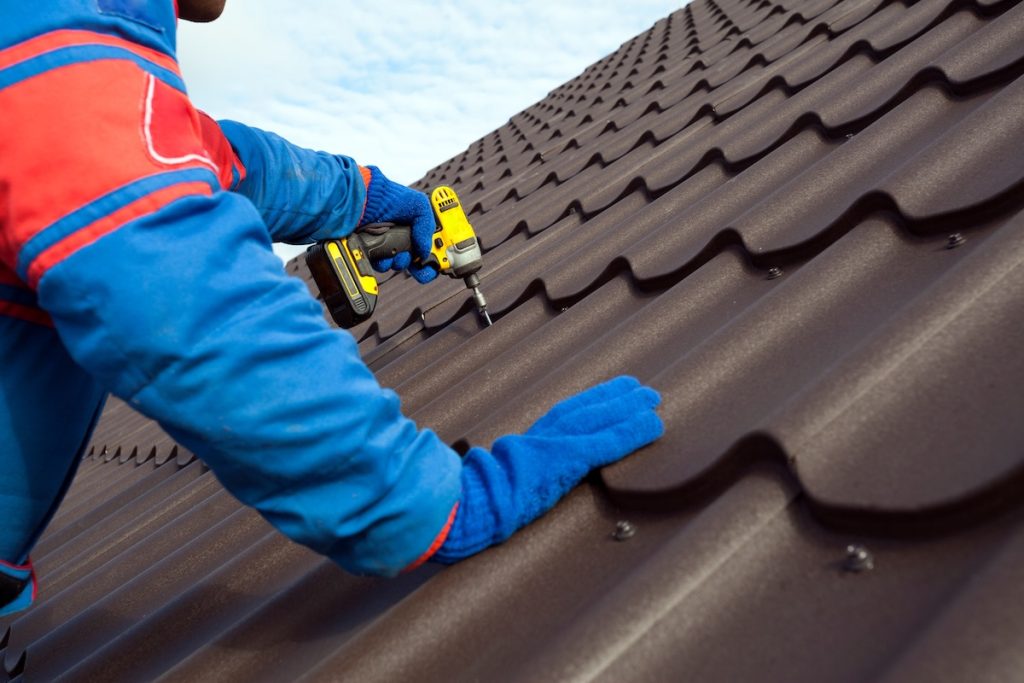
- Safety: Trained professionals use proper equipment to avoid slips and tile damage.
- Expertise: Contractors can detect hidden leaks and recommend targeted repairs.
- Longevity: Professional maintenance keeps your tile roof performing at its best for decades.
Roofing contractors familiar with tile systems in Huntersville and surrounding areas understand local weather challenges and can help you create a custom maintenance plan for your home.
Keep Your Tile Roof Looking and Performing Its Best
Consistent tile roof maintenance helps prevent damage, extend lifespan, and maintain your home’s curb appeal. Simple actions like annual inspections, regular cleaning, and professional upkeep go a long way toward protecting your investment. With proper care, a well-installed tile roof can last 50 years or more — offering unmatched value and durability.
Roof Medic proudly helps homeowners in Huntersville and surrounding areas make informed decisions about maintaining strong, reliable roofing systems. Protecting your home starts with understanding how to care for it season after season.
Reach out to Roof Medic today for expert guidance on maintaining your tile roof and preventing long-term damage.