704.228.7788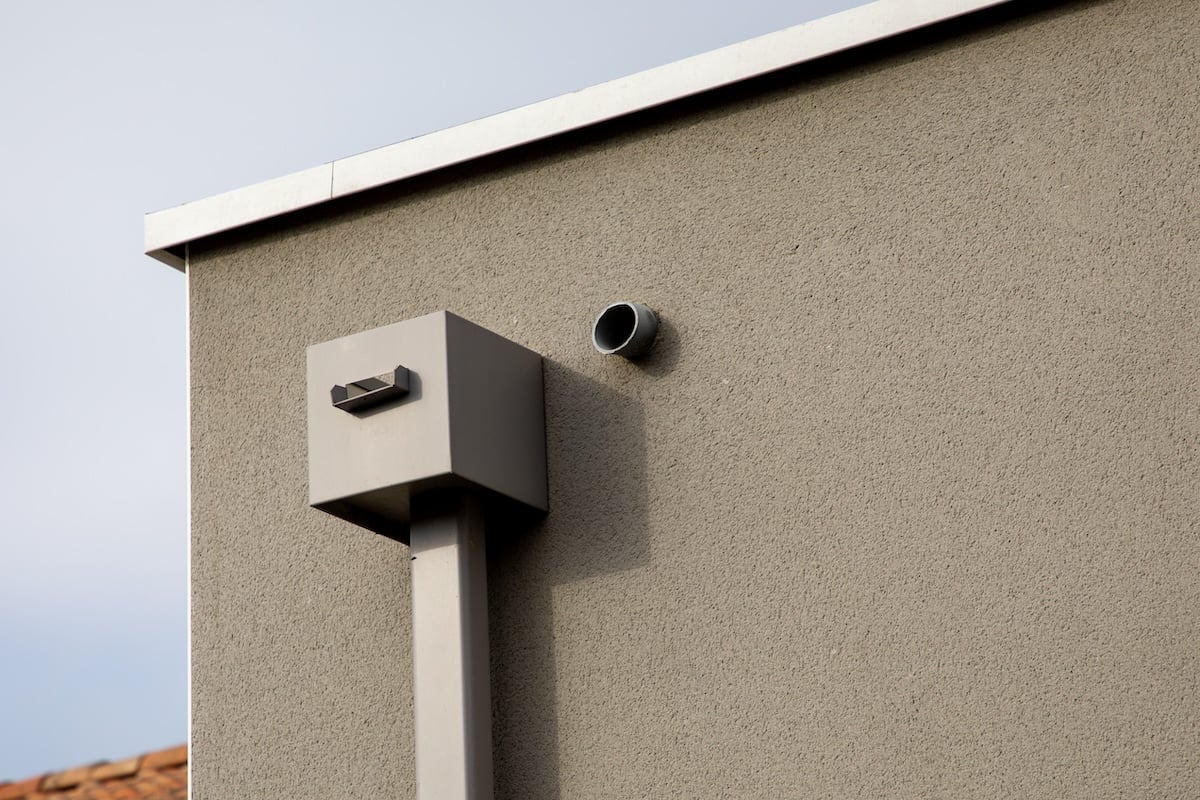
 01/21/2025
 10 minutes Read
Owning a home comes with a fair share of challenges and responsibilities, and maintaining your roof is one of the most important aspects of keeping your property in good condition. Water drainage is especially crucial for your roof—it protects the structure of your home and prevents costly damage. One of the unsung heroes in roof drainage systems is the roof scupper. While often overlooked, this simple yet effective component plays a significant role in keeping your home dry, safe, and free from water damage.
If you’ve heard the term “roof scupper” but aren’t sure what it means—or how it benefits your home—you’re in the right place. We’ll:
- Break it all down
- Answer common questions
- Help you understand everything there is to know about roof scuppers
What Is a Roof Scupper?
A roof scupper is an opening in the edge or parapet wall of a flat or low-slope roof, designed specifically to channel water off your roof and allow it to properly drain. Roof scuppers are often paired with downspouts to direct water away from your property.
They’re commonly used on commercial buildings but are also frequently seen on residential homes that feature flat or low-slope roofs. Unlike typical roof gutters, which are installed along the edge of the roof detail like roof eaves, and require regular cleaning, roof scuppers offer a simple and low-maintenance way to manage water runoff.
How Do Roof Scuppers Work?
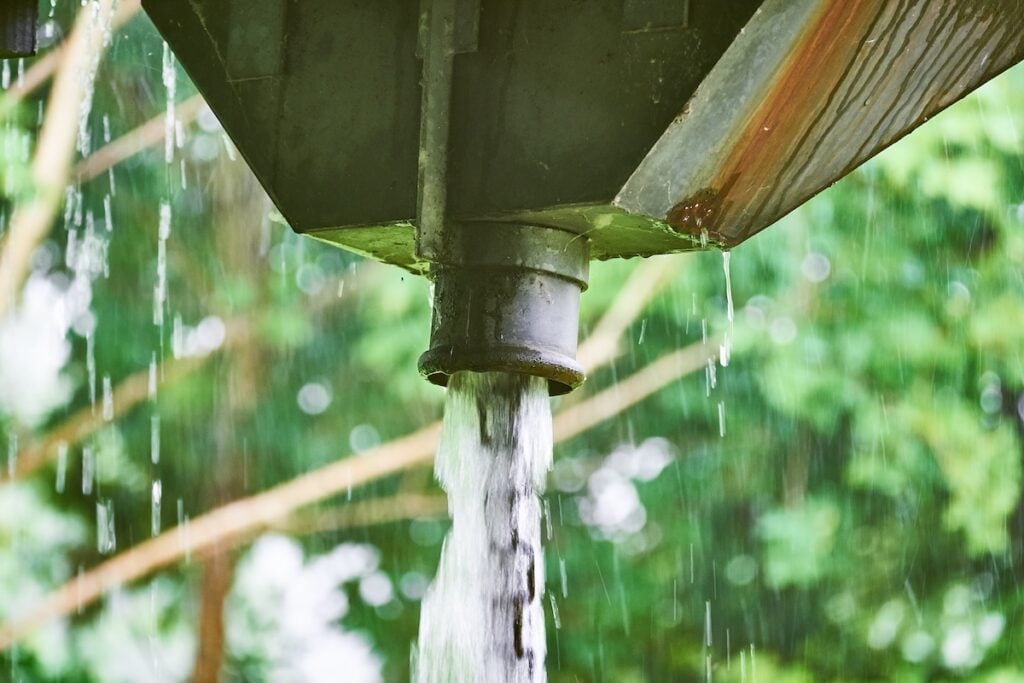
Roof scuppers work by providing an escape route for rainwater that accumulates on your flat or low-slope roof. Without proper drainage, water can pool on your roof, causing long-term damage like leaks, mold, and structural weakening. Instead of allowing water to sit, a roof scupper uses gravity to redirect it off the roof.
Here’s a quick outline of how they work:
- Water Accumulation: When it rains, water collects on your flat roof.
- Exit Point: The roof scupper acts as an opening where water can flow out.
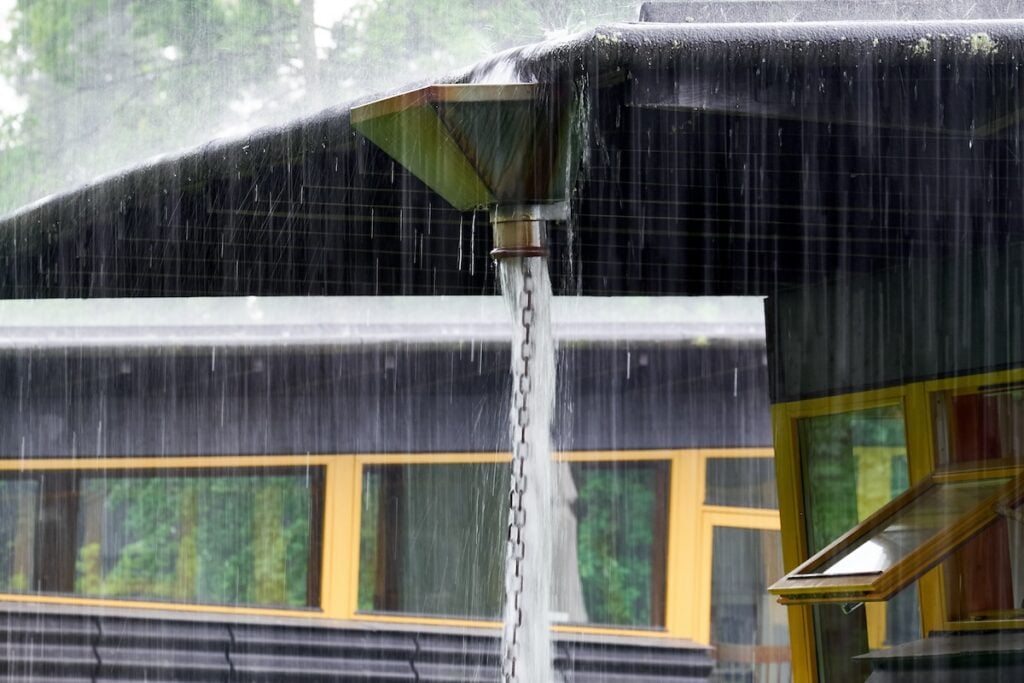
- Redirection: Water flows through the scupper and into a downspout or splash block, keeping it away from your home’s foundation and preventing any pooling.
Roof Scupper Cost: What Homeowners Can Expect
One of the most common questions homeowners ask is how much a roof scupper costs to install. In most straightforward residential or light commercial applications, scupper installation typically costs $200–$500 per opening. More complex projects can cost more depending on the roofing material, wall construction, waterproofing details, and whether a downspout or custom metalwork is included.
A few factors that can affect the final cost include:
- Type of scupper: Through-wall and overflow scuppers are often simpler than custom decorative scuppers.
- Roof and wall construction: Masonry, parapet walls, and existing drainage conditions can increase labor.
- Flashing and waterproofing: Proper sealing is critical to avoid leaks, and better detailing can raise upfront cost.
- Drainage add-ons: Downspouts, conductor heads, splash blocks, and custom fabrication add to the total.
- Access and height: Multi-story buildings or hard-to-reach roof edges usually cost more to service.
If your roof already has ponding water, leaks near the parapet, or drainage issues, it’s smart to have a roofer inspect the full drainage system instead of pricing the scupper alone.
Why Are Roof Scuppers Important?
Now that you know what roof scuppers are, you’re probably wondering why they’re so important. The truth is, they serve several key purposes that keep your home and roof in top condition.
Prevents Water Damage
Pooling water can quickly damage the structural integrity of your roof, leading to leaks, rot, and costly repairs. Roof scuppers ensure water is efficiently removed, protecting your home from these risks.
Prevents Roof Collapse
Flat or low-slope roofs are more prone to water pooling. Without proper drainage, the added weight of pooled water could lead to a partial or total roof collapse over time. Roof scuppers help prevent this by managing water effectively.
Cost-Effective Water Drainage Option
Compared to complex drainage systems, roof scuppers are a simpler, low-maintenance, and cost-effective solution. They don’t require extensive installation, and their design reduces the likelihood of requiring frequent cleaning or repairs.
Protection Against Foundation Damage
If rainwater isn’t drained away from your home, it can seep into the ground near your foundation, causing cracks or shifts. By guiding water away from the property, scuppers help protect your foundation from water damage.
Built for Aesthetics and Durability
Roof scuppers come in a variety of styles and materials, so they can be functional while blending in with your home’s aesthetics. Many scuppers are made from durable materials like aluminum, stainless steel, or copper, which ensures they last for years.
4 Different Types of Roof Scuppers
Not all roof scuppers are created equal. Choosing the right scupper for your home depends on your roof design and drainage needs. Here are some of the most common types:
1. Through-Wall Scuppers
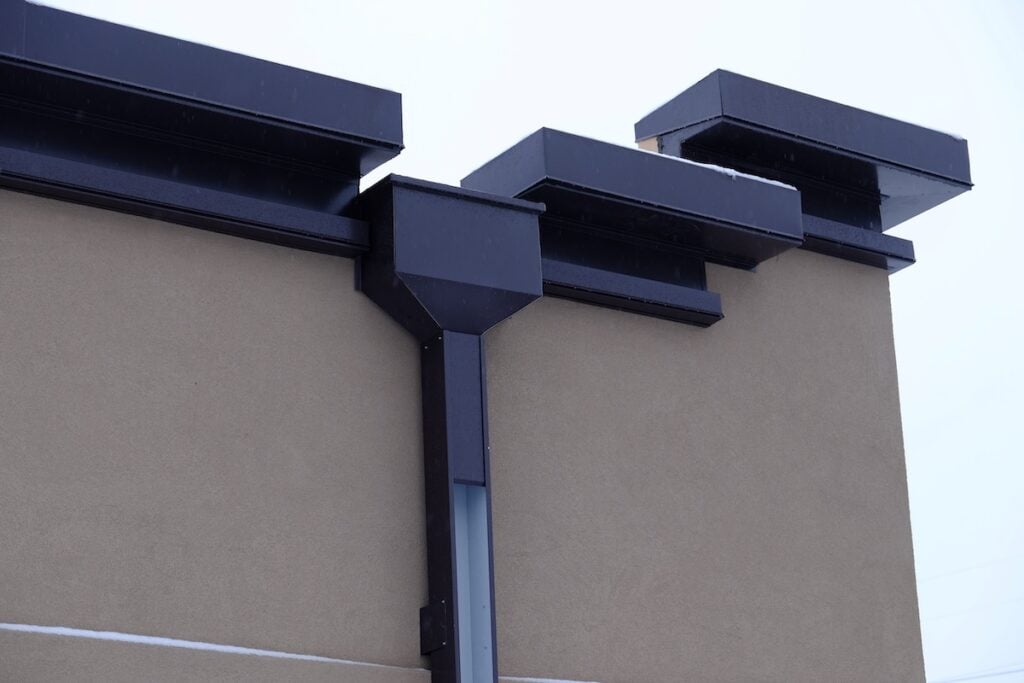
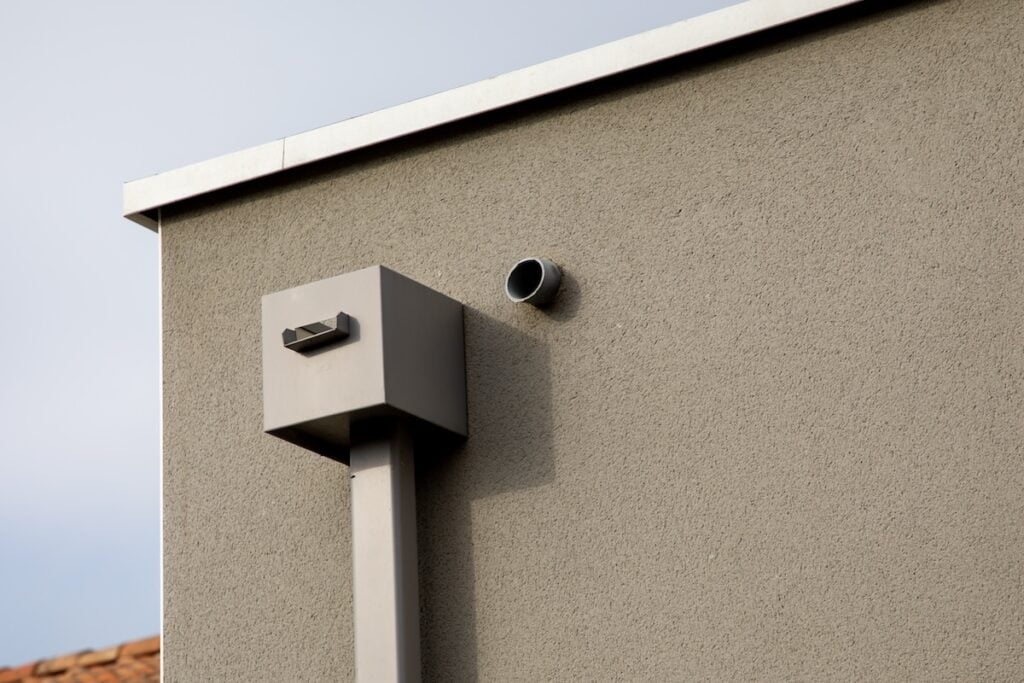
These are the most common roof scuppers. Through-wall scuppers are installed into the parapet wall of your roof, allowing water to flow through the wall and out onto a splash block or into a downspout. They’re excellent for maintaining a clean look while ensuring water drainage.
2. Overflow Scuppers
Overflow scuppers serve as a backup drainage system, typically installed at a higher elevation than the primary scuppers. These are designed to handle excess water if the primary drainage system becomes overwhelmed or clogged. They’re especially useful during heavy rainstorms.
3. Channel Scuppers
Channel scuppers are equipped with attached downspouts or troughs to guide water away from the building more directly. They help prevent water from flowing too close to the property, making them a great option for homes with minimal drainage space around the roofline.
4. Custom Design Scuppers
Sometimes, custom-designed scuppers are created to suit unique roof designs or aesthetic preferences. While these can cost a bit more, they ensure both functionality and style.
| Scupper Type | Best For | Cost Range | Maintenance Level |
|---|---|---|---|
| Through-Wall Scuppers | Flat roofs with parapet walls that need simple, direct drainage | $200–$500 per opening | Low |
| Overflow Scuppers | Roofs that need backup drainage during heavy rain or clogged primary drains | $200–$500 per opening | Low |
| Channel Scuppers | Roofs that need water guided farther away from the wall or foundation | $300–$600 per opening | Medium |
| Custom Design Scuppers | Homes or buildings with unique architectural or drainage needs | $500+ per opening | Medium |
In general, through-wall scuppers are the most common and budget-friendly option, while custom scuppers cost more because they often require fabricated metal components and more detailed installation.
How to Know If Your Roof Needs a Scupper
If you have a flat or low-slope roof, chances are you could benefit from a roof scupper. Signs that you need improved drainage with a scupper include:
- Rainwater pooling on your roof after a storm.
- Moisture stains on the ceiling or near walls.
- Damage to your roof’s membrane or material.
- A lack of existing water drainage mechanisms.
Remember, if you’re unsure whether your roof needs a scupper, it’s best to consult roofing experts like the team at Roof Medic. They’ll assess your roof’s design and water drainage setup, then recommend whether scuppers are the right choice for your home.
How Are Roof Scuppers Installed?
Proper installation is crucial to ensure roof scuppers work effectively. Here’s a general overview of the process:
- Assessment – A professional will evaluate the roof’s existing drainage system, slope, and material to determine the best location and type of scupper.
- Cutting the Opening – An opening is cut along the parapet wall or roofline to create space for the scupper.
- Sealing – The scupper is sealed with waterproof materials to prevent any leaks or water seepage into the building.
- Integration – A downspout or splash block is installed below the scupper opening to guide water away from the foundation.
Hiring a professional for this process is highly recommended to ensure correct installation and avoid water damage arising from gaps, unsealed edges, or placement issues.
Maintenance Tips for Roof Scuppers
Roof scuppers are relatively low maintenance but still require some care to ensure they perform well. Here are a few maintenance tips:
- Regular Inspections – Check your scuppers at least twice a year for blockages, cracks, or loose connections.
- Clear Debris – Remove leaves, branches, and other debris that could clog the scupper and prevent proper drainage.
- Monitor During Storms – During heavy rains, monitor your roof scuppers to ensure they’re functioning. If water isn’t flowing properly, it may be time to clean them or call a professional.
- Schedule Professional Inspections – A roofing professional can catch small problems before they turn into costly issues.
Roof Scuppers vs. Gutters
While roof scuppers and gutters both provide drainage solutions, they serve slightly different purposes and fit different roof types:
- Roof Scuppers: Ideal for flat or low-slope roofs. They’re built into the roof or wall, offering a sleek, minimally visible drainage option. Maintenance is typically easier than with gutters.
- Gutters: Common for sloped roofs. Gutters run along the roof edge and collect water, directing it to downspouts. They require more frequent cleaning and maintenance.
If you’re deciding between scuppers and gutters, here’s the simplest way to compare them:
| Feature | Scuppers | Gutters |
|---|---|---|
| Best roof type | Flat and low-slope roofs | Sloped roofs |
| Installation location | Built into the parapet wall or roof edge | Mounted along the roof edge |
| Visibility | Lower-profile look | More visible from the ground |
| Maintenance | Usually less frequent cleaning | Often needs routine cleaning |
| Overflow protection | Can serve as primary or overflow drainage | Can overflow if clogged |
| Ideal use case | Commercial buildings and homes with parapet walls | Most traditional residential roofs |
In many cases, scuppers are the better fit for flat roofing systems, while gutters make more sense for steep-slope residential roofs. The right choice depends on your roof design, drainage needs, and how much ongoing maintenance you want to handle.
Roof Scupper Code Requirements for Commercial Buildings
On many commercial buildings, roof drainage is not just a design choice—it is a code and safety issue. When a roof has parapet walls or edge conditions that can trap water, building and plumbing codes often require secondary emergency overflow drainage, which can be provided by overflow scuppers or secondary drains. ICC code language states that where scuppers are used, their quantity, size, location, and inlet height must be selected so ponding water does not exceed the depth the roof was designed to handle.
In practical terms, that means commercial flat roofs often use scuppers in one of two ways:
- Primary drainage: to move everyday rainwater off the roof
- Overflow drainage: to provide backup protection if the primary drain clogs or heavy rain overwhelms the system
If your building has a parapet wall, internal drains, or recurring ponding water, a roofing professional should evaluate whether your existing drainage setup is code-compliant for your jurisdiction. Local requirements can vary, but overflow protection is a common part of modern low-slope roof design.
Say Goodbye to Water Pooling with Roof Medic
Water damage can lead to significant stress and expensive repairs, but with the right drainage system—like roof scuppers—you can breathe easy knowing your home is protected. If you’re ready to enhance your roof’s performance and protect your property, Roof Medic is here to help.
Contact us today to schedule your consultation. We’re ready to provide expert guidance and ensure your home stays strong through every storm. Don’t wait—take the first step towards a safer, more efficient roof with Roof Medic today!
Last Updated: March 2026