704.228.7788

 704.228.7788

 01/22/2025
 8 minutes Read
A sun tunnel skylight is the most affordable way to bring real daylight into a dark room, and for many Charlotte-area homes it makes more sense than a traditional skylight. Also called a tubular skylight or solar tube, it captures sunlight through a small dome on your roof and channels it down a reflective tube to a diffuser in your ceiling. It costs a fraction of a full skylight, installs in hours instead of days, and works in spaces where a regular skylight can’t go. This guide covers what a sun tunnel costs in 2026, the honest pros and cons, and how it stacks up against a traditional skylight for homeowners in Matthews and surrounding areas.
Here’s what you’ll learn in this guide:
- 2026 sun tunnel pricing: What it actually costs installed and what drives the number.
- The honest pros and cons: Where sun tunnels win and where they fall short.
- Sun tunnel vs traditional skylight: Which one is right for your space.
What a Sun Tunnel Skylight Costs in 2026s?

Sun tunnels are the budget-friendly daylighting option, costing far less than a traditional skylight. Here’s the current pricing for homeowners in the Charlotte area.
2026 Sun Tunnel Pricing
Most homeowners pay between $500 and $1,500 to install a sun tunnel in 2026, including the unit and professional labor. Simple installs on a single-story asphalt roof land at the low end, while complex runs or specialty roofs push toward $2,000. According to HomeGuide, sun tunnel costs depend heavily on size, roof material, and the number of tunnels installed. Compared to a traditional skylight, which runs $1,500 to $5,000 or more, a sun tunnel costs roughly one-third the price.
- Typical installed cost: $500 to $1,500 for a standard sun tunnel.
- Complex installs: Up to $2,000 for long runs or specialty roofs.
- Unit only: The tube and dome alone run roughly $185 to $600 before labor.
- Versus traditional skylight: Sun tunnels cost about a third of a full skylight.
- Fast install: Often completed in a few hours, keeping labor costs down.
What Drives the Price
Several factors move a sun tunnel quote up or down. Knowing them helps you understand your estimate and compare bids fairly.
- Tube diameter: 10 to 14 inch tubes cost less than 22 inch units for larger rooms.
- Number of tunnels: Installing multiple units at once lowers the per-unit labor cost.
- Roof material: Tile and metal roofs add $100 to $150 or more for special adapters.
- Run length and complexity: Long tubes routed around obstructions cost more and lose some light.
- Number of stories: Bringing light to a lower floor requires more tubing and labor.
How a Sun Tunnel Skylight Works
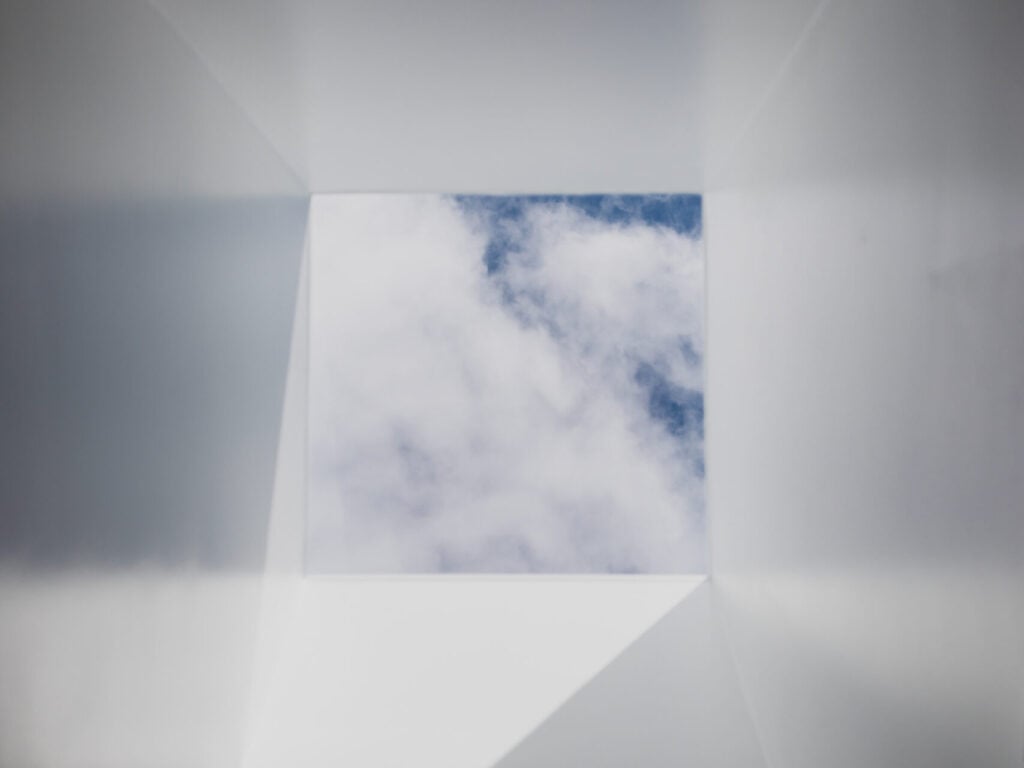
A sun tunnel is a simple system with three parts working together. It’s the simplicity that makes it affordable and leak-resistant compared to a full skylight.
The Three Components
Each part of a sun tunnel has one job, and together they move daylight from your roof to your room. The reflective tube is the piece that makes it all work, bouncing light down with almost no loss.
- Roof dome: A clear acrylic or polycarbonate dome captures sunlight from multiple angles.
- Reflective tube: A highly reflective tube channels light down with up to 99% reflectivity.
- Ceiling diffuser: A ceiling-mounted lens spreads the light evenly into the room.
- Flashing: Leak-resistant flashing seals the dome to the roof.
- Flexible routing: The tube can bend around rafters, ducts, and plumbing.
Where Sun Tunnels Work Best
Sun tunnels shine in spaces where a full skylight isn’t practical. Because the tube is compact and can route around obstructions, it reaches rooms a traditional skylight can’t.
- Hallways: Brightens long, windowless interior corridors.
- Bathrooms: Adds daylight while maintaining full privacy.
- Closets: Ends the fumbling in dark storage spaces.
- Kitchens: Delivers soft natural light over prep areas.
- Interior rooms: Reaches spaces with no exterior walls or roof access directly above.
The Honest Pros and Cons of Sun Tunnel Skylights

Sun tunnels are a strong daylighting option, but they aren’t right for every situation. Here’s the straight assessment instead of a sales pitch.
The Pros
Sun tunnels earn their popularity for real reasons. These are the areas where they clearly win.
- Affordable: Roughly a third the cost of a traditional skylight.
- Fast install: Often done in a few hours with minimal disruption.
- No structural changes: No rafter cutting, framing, or drywall shaft required.
- Energy efficient: Adds far less heat gain or loss than a traditional skylight.
- Versatile placement: Reaches interior spaces a skylight can’t, routing around obstructions.
The Cons
This is where sun tunnels fall short, and where a traditional skylight might be the better call. We’d rather you know the limits up front.
- No view: A sun tunnel delivers light but no view of the sky.
- No ventilation: Unlike vented skylights, sun tunnels don’t open for airflow.
- Not a design feature: The small ceiling diffuser doesn’t transform a room the way a skylight does.
- Roof pitch limits: Most sun tunnels suit roof slopes between 15 and 60 degrees.
- Light loss on long runs: Long or winding tube runs reduce brightness at the diffuser.
Sun Tunnel vs Traditional Skylight: Which Is Right for You?

This is the comparison most homeowners come here for. Both bring in daylight, but they solve different problems at very different price points. Here’s how to choose.
When a Sun Tunnel Is the Better Choice
A sun tunnel is the right call when you want affordable daylight in a specific dark space and don’t need a view or ventilation. For most interior rooms, it delivers 70 to 80 percent of a skylight’s lighting benefit at a fraction of the cost.
- Budget priority: You want daylight without the cost of a full skylight.
- Small or interior space: Hallways, closets, bathrooms, and windowless rooms.
- No view needed: You want light, not a window to the sky.
- Energy focus: You want minimal heat gain in Charlotte’s hot summers.
- Quick project: You want the work done in hours, not days.
When a Traditional Skylight Is the Better Choice
A traditional skylight is worth the higher cost when you want a view, ventilation, or a dramatic architectural feature. In larger rooms with vaulted ceilings, a skylight transforms the space in a way a sun tunnel can’t.
- You want a view: Skylights frame the sky and passing clouds.
- You want ventilation: Vented skylights open to release heat and moisture.
- Design statement: A skylight makes a room feel larger and more open.
- Large or vaulted rooms: Big spaces benefit from a full skylight’s light and drama.
- Resale impact: Skylights can add more to home value than sun tunnels.
Sun Tunnel Brands and Longevity

Not all sun tunnels are the same. Brand and installation quality determine how long the unit lasts and how well it resists leaks.
Trusted Brands and Lifespan
Velux and Solatube are the two most trusted sun tunnel brands in the country. As a Velux Certified Installer, Roof Medic installs Velux Sun Tunnels on Charlotte-area homes, which keeps the manufacturer warranty intact and ensures the flashing is done to spec. A quality sun tunnel lasts 10 to 20 years or more depending on materials and installation.
- Velux: Widely trusted, and the brand Roof Medic is certified to install.
- Solatube: Another well-regarded tubular skylight brand.
- Lifespan: 10 to 20 years or more with quality materials and installation.
- Warranty: Manufacturer warranties require proper flashing and installation.
- Leak resistance: Correct flashing is what keeps a sun tunnel watertight in NC storms.
Why Installation Quality Matters
A sun tunnel is still a roof penetration, which means the flashing and seal decide whether it protects your home or leaks. Charlotte’s heavy summer downpours and hurricane remnants push water hard against any weak point. A sun tunnel installed by someone who treats it as a roofing job, not a handyman task, is the one that stays dry.
- Roof penetration: Even a small dome is a hole cut in your roof.
- Flashing integration: The dome must tie into the roof’s water barrier.
- Attic obstruction check: Wiring, ducts, and framing checked before cutting.
- Storm resistance: Proper sealing holds up against NC’s driving rain.
- Warranty protection: Certified installation keeps the manufacturer warranty valid.
Bringing Natural Light Into Your Home the Right Way
A sun tunnel skylight is one of the best-value home upgrades available, delivering real daylight to dark spaces for a fraction of what a traditional skylight costs. The key is matching the solution to the space: a sun tunnel for affordable light in an interior room, a traditional skylight when you want a view, ventilation, or a design feature. Either way, the install is a roofing job, and the flashing is what keeps it from leaking. That’s why we inspect first and recommend second on every project, walking you through which option fits your space and your budget. As a Velux Certified Installer, a GAF Master Elite Contractor, and a CertainTeed SELECT ShingleMaster in the top 3% of roofers nationwide, Roof Medic installs sun tunnels and skylights sealed to last through Charlotte weather. Contact Roof Medic today for guidance on brightening your home. We work with homeowners throughout Matthews and surrounding areas and we’re happy to walk you through your options.