704.228.7788
 704.228.7788
 06/15/2026
 11 minutes Read
A roof replacement cost in 2026 typically runs between $8,000 and $24,000 for a standard asphalt shingle roof on most North Carolina homes. That’s a wide range. Your number depends on your roof size, the material you pick, your roof’s pitch and complexity, what we find when the old shingles come off, and how the project gets handled. For homeowners in Charlotte and surrounding areas trying to budget for a new roof, knowing what drives the price helps you avoid bad bids and spot the contractors who are cutting corners to win the job.
Here’s what you’ll learn in this guide:
- Real 2026 price ranges: What asphalt, metal, tile, and slate roofs actually cost this year.
- The six factors that move the price: What makes one quote higher than another.
- How to pay for it: Cash, financing, insurance, and which options work best.

What a New Roof Actually Costs in 2026
The cost of a new roof in 2026 starts with material and roof size, then moves with everything else stacked on top. Charlotte and the rest of North Carolina sit in line with national pricing trends, but local labor, permit fees, and storm-driven demand can push numbers up or down.
2026 Roof Replacement Price Ranges by Material
Most homeowners replacing an asphalt shingle roof in Charlotte and surrounding areas in 2026 land between $8,500 and $18,000 for an average-sized home. Premium materials like metal, tile, and slate cost more upfront and last longer. According to the 2026 This Old House roofing survey of 1,000 homeowners, about 28% of homeowners spent between $5,001 and $10,000 on their total roof replacement, while roughly 25% spent between $10,001 and $20,000, with hidden damage cited by one in four as a top cost driver.
- Asphalt shingles: $4 to $12 per square foot installed, or roughly $8,000 to $18,000 for a 2,000 sq ft roof.
- Metal roofing: $7 to $25 per square foot, or $14,000 to $50,000 for a 2,000 sq ft roof.
- Tile (concrete or clay): $10 to $25 per square foot, or $20,000 to $50,000 for a 2,000 sq ft roof.
- Slate: $15 to $30 per square foot or more, often $30,000 to $60,000 or higher for a 2,000 sq ft roof.
- GAF Energy solar shingles: Premium integrated solar roofing, priced by the system and home, typically running $40,000 and up.
Why Pricing Varies This Much
Two homeowners next door to each other can get two completely different quotes for the same roof size. The reason is that roof replacement isn’t a commodity. The price depends on the materials, the team installing them, the warranty tier you select, and what’s hiding under the old shingles. Cheap bids almost always come from contractors who plan to skip parts of the job.
- Material grade: Basic 3-tab shingles cost less than architectural shingles, which cost less than premium designer shingles.
- Warranty tier: Manufacturer warranty tiers like GAF Master Elite’s Golden Pledge require specific install standards.
- Hidden damage: Rotted decking, failed flashing, and bad ventilation all add to the bill.
- Contractor certifications: Top 3% contractors charge more than uncertified roofers, but they install the work to manufacturer spec.
- Storm demand: Pricing rises after major storms when contractor availability tightens.
6 Biggest Factors That Drive Roof Replacement Cost
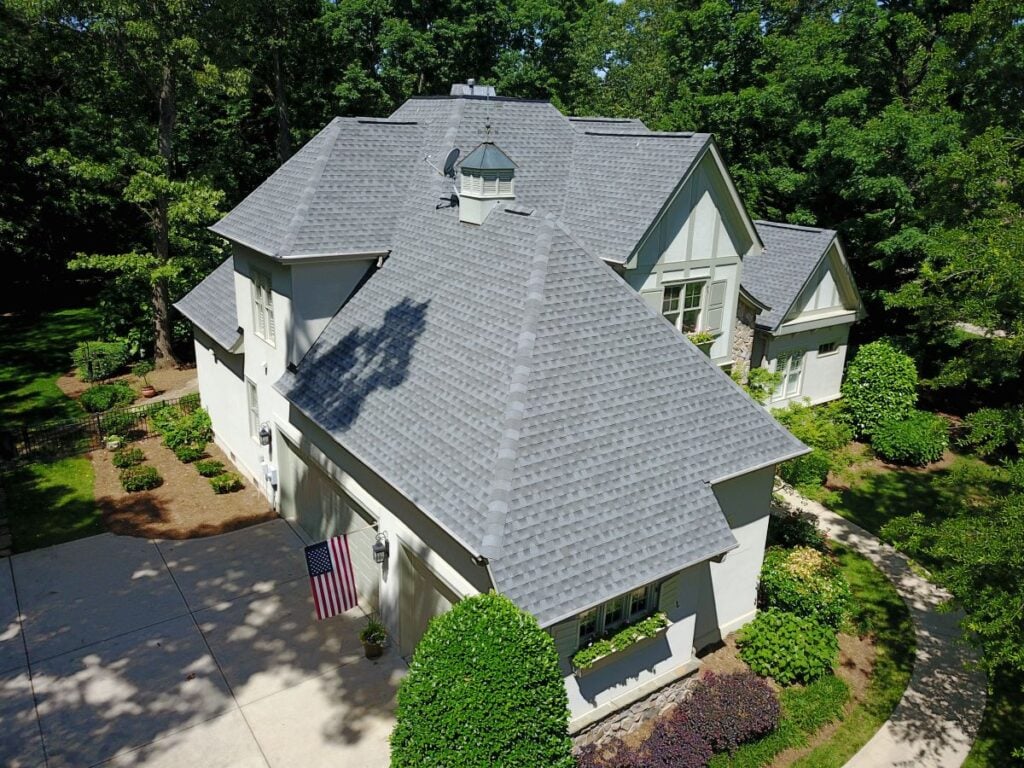
You can’t get a real number without a real inspection. But you can understand what makes one quote different from another. The six factors below cover what we look at on every roof we evaluate in Charlotte and surrounding areas. Skip these conversations with a potential contractor and you’ll regret it.
1. Roof Size, Pitch, and Complexity
Bigger roofs cost more. Steep roofs cost more. Complex roofs with multiple hips, valleys, dormers, and changes in pitch cost more than simple gable roofs. Roofing is priced by the square, which is 100 square feet of roof area. A typical home measures 15 to 30 squares once you account for the actual roof surface, not the home’s footprint.
- Roof size in squares: Most homes range from 15 to 30 squares on the actual roof surface.
- Pitch: Steeper roofs require more labor, more safety equipment, and slower installation.
- Geometry: Hips, valleys, dormers, and skylights add cut lines, flashing work, and material waste.
- Access: Tight lots, second and third stories, and limited driveway space slow the work.
- Material waste: Complex roofs require more material to account for cuts and matching.
2. Material Type and Warranty Tier
Material is the single biggest line item on most quotes. Asphalt is the entry point. Metal, tile, and slate climb from there. Within each material, warranty tier matters too. A GAF Timberline HDZ roof installed to Master Elite standards qualifies for a different warranty than the same shingle installed without certification. The shingle is the same. The warranty isn’t.
- Asphalt shingles: Most common and most affordable. Architectural shingles last 25 to 30 years.
- Metal: Long lifespan, 40 to 70 years, with higher upfront cost.
- Tile: 50 to 100 plus year lifespan on clay and concrete tile.
- Slate: 75 to 200 year lifespan, the longest of any common material.
- Warranty tier: Master Elite, SELECT ShingleMaster, and similar certifications unlock higher-tier warranties.
3. Tear-Off and Disposal
Removing the old roof costs money. Most jobs require a full tear-off down to the decking, both for code reasons and because manufacturer warranties demand it. Some jurisdictions allow a single overlay, where new shingles install over the existing layer, but overlays shorten roof life and stack weight on the structure. We don’t recommend them.
- Full tear-off cost: Typically adds $1 to $3 per square foot to the project.
- Multi-layer tear-off: Removing two existing layers costs more than removing one.
- Disposal fees: Dumpster rental and haul-off costs are baked into most quotes.
- Code requirements: Most municipalities require tear-off after a certain layer count.
- Warranty implications: GAF and CertainTeed warranties typically require tear-off, not overlay.
4. Decking and Underlying Repairs
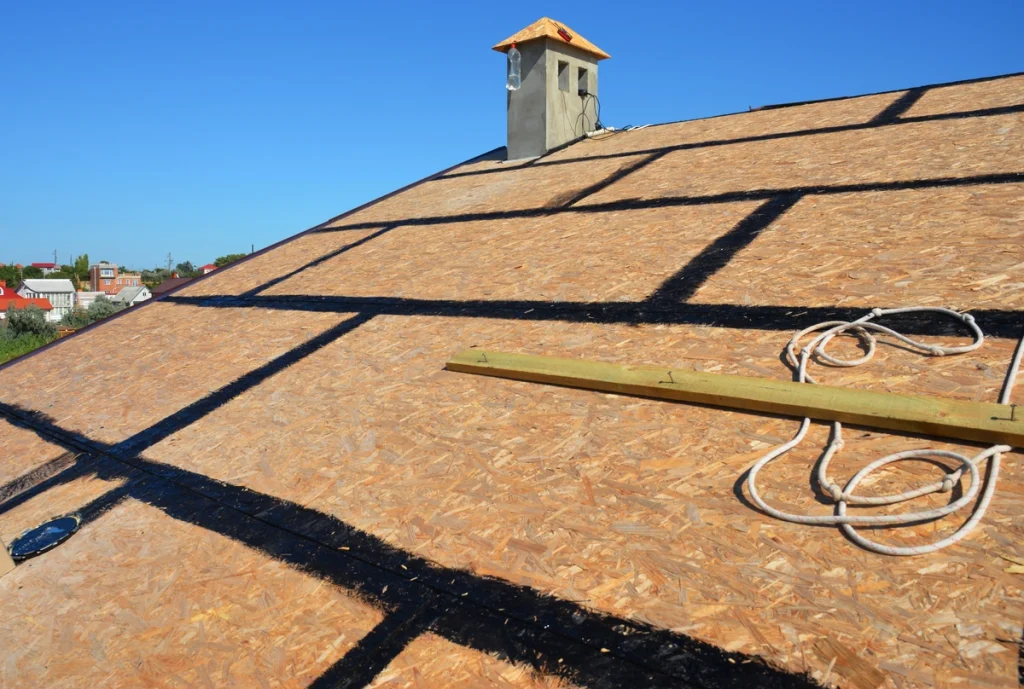
The biggest unknown on most roof replacements is what’s hiding under the old shingles. Rotted decking, water-damaged sheathing, and bad flashing all add cost. A good contractor quotes a per-sheet rate for decking replacement so you know what unexpected damage will cost before the work starts. A bad contractor hides this in a vague line item or surprises you halfway through the job.
- Decking replacement: Typically $2 to $5 per square foot when needed.
- Per-sheet rates: Most contractors charge $70 to $150 per 4×8 sheet of replacement decking.
- Underlayment upgrades: Synthetic underlayment costs more than felt but lasts longer.
- Ice and water shield: Required by code in certain areas and warranty conditions.
- Hidden damage signs: Soft spots, sagging, and water staining usually indicate decking issues.
5. Flashing, Ventilation, and Code Upgrades
The details around chimneys, valleys, skylights, vents, and roof-to-wall transitions add up. New flashing, properly installed ventilation, and code-required upgrades to ice barriers or fire-rated assemblies all factor into the quote. Skipping these is how budget contractors hit lower prices, and it’s how leaks start within a year of install.
- Chimney flashing: New step flashing and counter flashing on every chimney during a re-roof.
- Valley flashing: Open or closed valley systems with new underlayment.
- Pipe boots and vents: Replacement of every roof penetration during the project.
- Ventilation: Ridge vents, soffit vents, and attic ventilation balanced to current code.
- Code upgrades: Local code may require ice and water shield extensions or specific underlayments.
6. Permits, Labor Rates, and Local Market Conditions
Local permit fees, labor rates, and market demand all affect the final number. Mecklenburg County requires permits for most full roof replacements, and inspections happen at scope completion. North Carolina law also requires a General Contractor license for projects over $40,000 as of October 2023, so verify your contractor’s license matches the project size.
- Permit fees: Mecklenburg County handles permitting through County Code Enforcement.
- NC GC license threshold: Projects $40,000 and over require a licensed General Contractor.
- Storm demand: After major hail or wind events, pricing rises and contractor availability tightens.
- Off-season scheduling: Late winter and early spring often offer better pricing and availability.
- Insurance coordination: Insurance-driven storm damage projects involve a different bidding process.
How to Pay for Your Roof Replacement
A new roof is a big check. Most homeowners use one of four ways to pay for it, and the right one depends on your situation, your timeline, and whether the project is insurance-driven or not.
Common Payment Options
The right payment method comes down to whether you have cash on hand, whether the damage is insurance-eligible, and how comfortable you are with monthly payments. We handle insurance claims start to finish, which makes that path simpler for most of the homeowners we work with in Charlotte and surrounding areas.
- Cash: Simplest option if you have the funds. No interest, no financing fees, no monthly payments.
- Home equity loan or HELOC: Borrowing against home equity typically carries lower interest than other loans.
- Roofing financing: Many contractors offer financing programs with competitive rates and flexible terms.
- Insurance claim: Storm damage and certain hail or wind events may qualify for full or partial insurance coverage.
- Combined payment: Insurance covers most damage, homeowner pays the deductible, financing covers any upgrades.
How Insurance Claims Work on Roof Replacements
About 75% of our work involves insurance claims, which means we deal with adjusters, scopes, and recoverable depreciation every single day. If your roof was damaged by a covered event like hail, wind, or a tree falling on it, the carrier may pay for most of the replacement minus your deductible. We document the damage, work directly with the adjuster, and handle the paperwork from inspection through final check.
- Covered events: Hail, wind, fallen trees, and other sudden damage are usually covered.
- Not covered: Normal wear, age, and lack of maintenance are not covered.
- Deductible: Your responsibility before the carrier pays anything.
- Recoverable depreciation: Second insurance check released after work is completed and documented.
- Denied claims: Many denied claims succeed on a second filing with proper documentation.

Frequently Asked Questions
How long does a roof replacement take?
Most asphalt shingle roof replacements take one to three days for a standard residential home. Larger or more complex roofs can stretch to a week. Weather delays, decking repairs, and supplemental work can add days to the schedule.
What’s the best time of year to replace a roof?
Spring and fall are the best seasons for roof replacement in North Carolina. Temperatures between 50 and 80 degrees give shingles the conditions they need to seal properly. Booking in late winter often locks in better pricing and contractor availability before the spring rush.
Can I stay in my home during the replacement?
Yes, you can stay in your home during a roof replacement. The work is loud, especially during tear-off and nailing, so plan around the noise if you work from home or have small children or pets. Most homeowners spend daytime hours elsewhere during the loudest phases.
Do I need a permit for a roof replacement in Charlotte?
Most full roof replacements in Charlotte and Mecklenburg County require a permit handled by County Code Enforcement. A licensed roofing contractor manages the permit application as part of the project. Requirements may differ for like-kind reroofs versus structural changes or decking replacement.
Will my homeowners insurance cover a new roof?
Homeowners insurance typically covers roof replacement when the damage is caused by a covered event like hail, wind, or a fallen tree. Normal wear and age-related damage is not covered. A roof inspection by a contractor familiar with insurance claims confirms what’s eligible.
How long does a new asphalt shingle roof last?
A properly installed architectural asphalt shingle roof lasts 25 to 30 years in North Carolina conditions. Premium designer shingles can last longer. Lifespan depends on installation quality, attic ventilation, manufacturer warranty tier, and ongoing maintenance.
Why Roof Medic Is the Right Team for Your Roof Replacement
Roof Medic is a GAF Master Elite Contractor and a CertainTeed SELECT ShingleMaster with Wizard certification, which places us in the top 3% of roofers nationwide and qualifies us for the highest-tier manufacturer warranties available. We inspect first and recommend second on every roof we evaluate. If your roof has years of life left, we’ll tell you. If it’s time to replace, we’ll explain why and walk you through the materials, warranty tiers, and options that actually fit your home. Our workmanship warranty is 2 years standard and 5 years when homeowners follow our recommended approach, all backed by a veteran-owned team that handles insurance claims start to finish and takes your home as seriously as you do.
Want guidance on a roof replacement or want to learn more about what your project actually costs? Contact Roof Medic today. We work with homeowners throughout Charlotte and surrounding areas, and we’re happy to walk you through the materials, the process, the warranty options, and the honest number for your roof.