 704.228.7788
 704.228.7788
 08/12/2026
 7 minutes Read
The best roofing materials North Carolina homeowners can choose depend heavily on where in the state you live and what your roof has to survive. A roof near the coast fights salt air and hurricane winds. A Piedmont roof around Charlotte and Raleigh battles heat, humidity, and spring hail. A mountain roof deals with freeze-thaw cycles and snow load. Below we break down which materials actually hold up in each situation and why.
Matching Materials to North Carolina’s Climate Zones
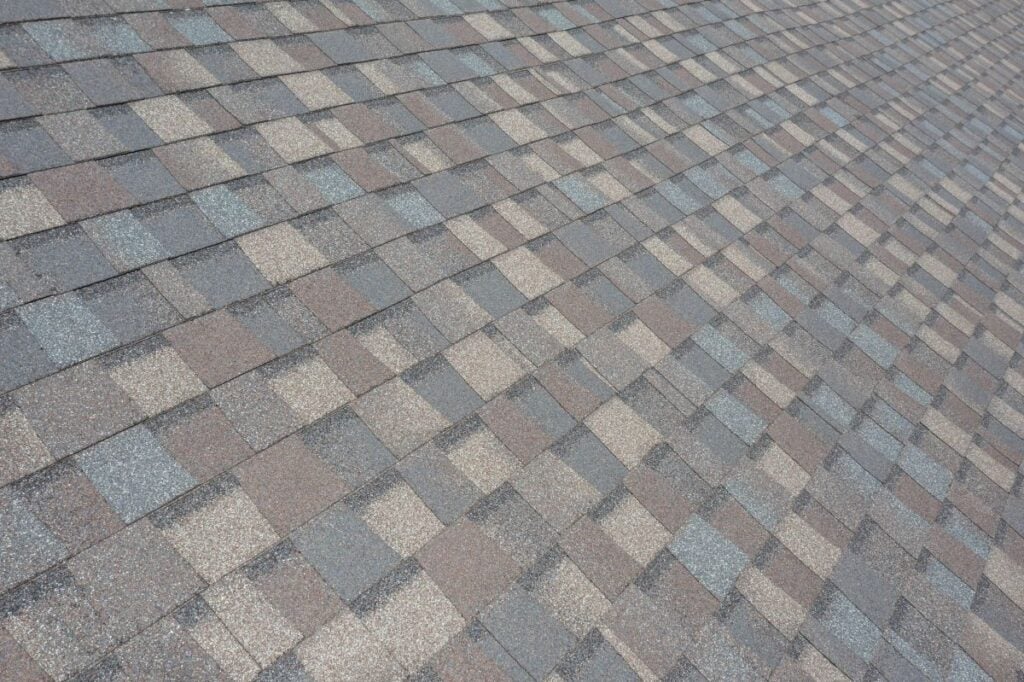
Q: Why does location within North Carolina change the best material choice?
A: North Carolina spans three distinct climate zones. The coast brings salt air and tropical storms, the Piedmont brings heat, humidity, and hail, and the mountains bring snow and freeze-thaw cycles. A material that thrives in Asheville may corrode near the Outer Banks, so the right pick is regional, not universal.
Q: What roofing holds up best in the humid Piedmont around Charlotte and Raleigh?
A: Architectural asphalt shingles with algae-resistant granules are the workhorse choice across the Piedmont. They handle the region’s heat and humidity, resist the black streaking that plagues shaded roofs, and carry strong wind ratings. Metal and impact-resistant shingles are excellent upgrades for hail-prone neighborhoods.
Q: Does coastal salt air really affect roofing materials?
A: Significantly. Salt air corrodes many metals and degrades untreated materials faster than inland conditions. Near the coast, aluminum standing seam resists corrosion far better than steel, and properly treated systems outperform wood. Coastal homes also need materials rated for the high winds that tropical systems drive inland.
The Top Material Picks Compared
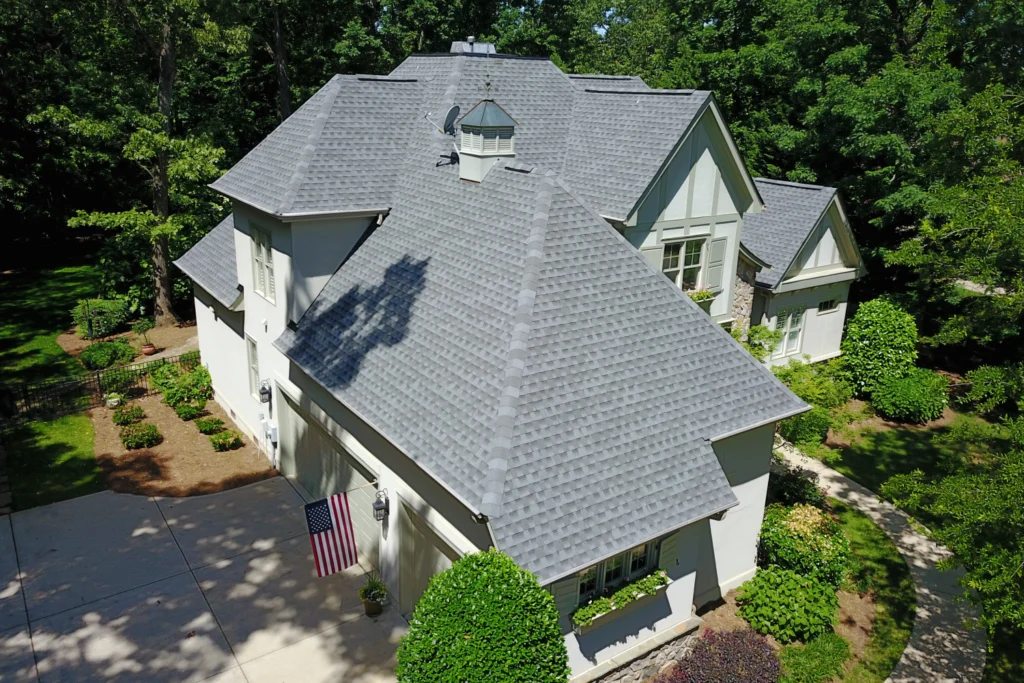
Q: Are architectural shingles a good choice for North Carolina?
A: For most homeowners, yes. Architectural shingles carry wind ratings of 110 to 130 mph, last 25 to 30 years, and come in algae-resistant formulations built for humid climates. They balance cost, durability, and appearance better than any other material, which is why they cover the majority of NC homes.
Q: How does metal roofing perform in NC weather?
A: Metal is one of the strongest performers statewide. Standing seam systems resist wind gusts up to 140 mph, reflect heat to cut summer attic temperatures, and shed rain and snow easily. The concealed fasteners eliminate common leak points. The main tradeoff is higher upfront cost, not performance.
Q: Should I consider tile or slate in North Carolina?
A: Both last generations, but they suit specific situations. Clay and concrete tile handle heat and impact well and resist rot and fire. Slate lasts over a century but is heavy and brittle, which makes it vulnerable to hail. Both require structural capacity to carry the added weight.
Q: What about wood shake roofs?
A: Wood shake offers a classic look but struggles in North Carolina’s humidity. It’s prone to mold, rot, and moisture damage without diligent upkeep, and it carries higher fire risk. For most NC homes, the maintenance burden outweighs the aesthetic appeal compared to synthetic alternatives that mimic the look.
Storm and Energy Performance
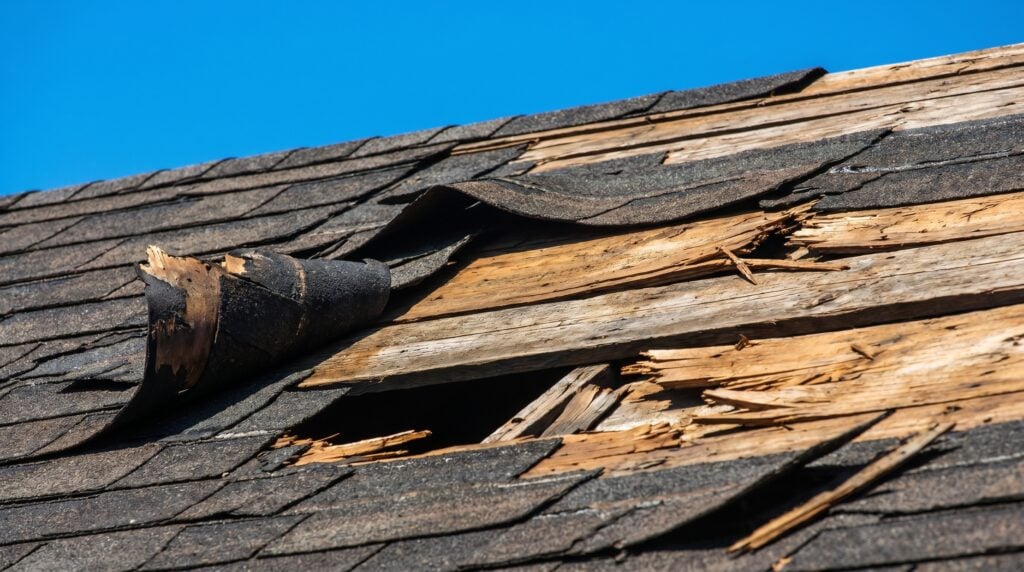
Q: Which materials resist hail and high winds best?
A: Metal roofing leads for high winds, followed by clay and concrete tile and architectural asphalt shingles. For hail specifically, Class 4 impact-resistant shingles are engineered to absorb strikes that crack standard products. According to GAF, Class 4 is the highest UL 2218 rating, earned by withstanding a 2-inch steel ball dropped from 20 feet.
Q: Are impact-resistant shingles worth the extra cost?
A: In hail-prone parts of the Piedmont, often yes. Class 4 impact-resistant shingles typically add several hundred to a couple thousand dollars, but many North Carolina insurance carriers offer premium discounts of 20 to 30 percent for homes that use them. Over time, the discount can offset the upgrade.
Q: Do energy-efficient roofing materials make sense in NC heat?
A: They can. North Carolina summers push attic temperatures high, and reflective materials like metal or heat-reflective shingles bounce radiant heat instead of absorbing it. That reduces cooling load and can lower summer energy bills. Proper attic ventilation works alongside the material to maximize the benefit.
Expert picks
Best Roofing Materials for North Carolina
-
Standing Seam Metal
Rated to 140 mph. Aluminum on the coast.
Best statewide -
Architectural Shingles
110–130 mph. 25–30 years. Algae-resistant.
Best value -
Class 4 Impact-Resistant
Highest UL 2218 rating. 20–30% insurance discounts.
Best for hail -
Clay or Concrete Tile
Resists heat, impact, rot, and fire. Needs structural check.
Works well -
Slate
100+ years, but heavy and brittle in hail.
Works, with care -
Wood Shake
Mold, rot, and higher fire risk in NC humidity.
Not recommended
What is the best roofing material for North Carolina?
Architectural asphalt shingles with algae-resistant granules are the best all-around choice for most North Carolina homes, balancing cost, a 110 to 130 mph wind rating, and a 25 to 30 year lifespan. Standing seam metal is the strongest performer statewide at up to 140 mph, and it is the clear pick on the coast, where aluminum resists salt corrosion far better than steel. In the hail-prone Piedmont, Class 4 impact-resistant shingles earn the highest UL 2218 rating and unlock insurance discounts of 20 to 30 percent from many NC carriers. Wood shake is the one material to avoid across all three regions.
Slate, clay, and concrete tile all require verified structural capacity. Swatches are illustrative textures, not product samples.
Choosing the Right Roof for Your North Carolina Home
There’s no single best roof for the entire state, only the best roof for your home, your region, and how long you plan to stay. A hail-prone Piedmont neighborhood, a salt-exposed coastal lot, and a shaded, humid backyard all point toward different smart choices. The way to get it right is a hands-on inspection from a credentialed contractor who knows North Carolina’s climate firsthand. As a GAF Master Elite Contractor and CertainTeed SELECT ShingleMaster in the top 3% of roofers nationwide, Roof Medic inspects first and recommends second, matching the material to what your home actually faces. Want expert guidance on the right roof for your climate? Contact Roof Medic today and we’ll walk you through your options. Contractor License #79946.
