704.228.7788
 12/09/2025
 6 minutes Read
TPO roof maintenance is an essential part of protecting your commercial building from costly damage during storm season. Thermoplastic Polyolefin (TPO) commercial roofing systems are widely used for their energy efficiency, flexibility, and durability — but even the best roofs need routine care to stay watertight and structurally sound. Consistent maintenance not only prevents leaks but also extends the life of your investment.
Commercial property owners in Ballantyne and surrounding areas know how unpredictable weather can be. Heavy rain, wind, and hail can quickly reveal weaknesses in flat or low-slope roofing systems. By following the right maintenance practices, you can prepare your TPO roof to handle storm season effectively.
- Preventative protection: Regular inspections help catch minor issues before they lead to costly repairs.
- Improved performance: Maintenance ensures seams, flashing, and drainage systems remain watertight and efficient.
- Extended lifespan: Routine care helps your TPO roof last longer, maximizing the return on your investment.
Why TPO Roof Maintenance Matters
TPO roofs are popular across commercial and industrial properties because they’re lightweight, reflective, and relatively low-maintenance. However, their large surface areas and flat design make them more vulnerable to ponding water, punctures, and seam separation over time. Regular inspections and upkeep help prevent small issues from becoming major disruptions to your business operations.
Common Storm-Season Risks for Commercial Roofs
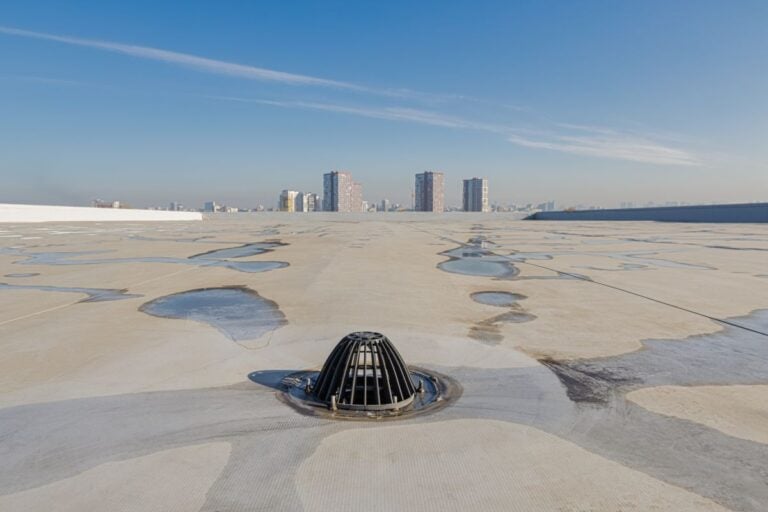
- Ponding water: Standing water accelerates membrane deterioration and can lead to leaks.
- Wind uplift: Poorly secured seams or edges may detach during severe gusts.
- Debris impact: Branches or rooftop equipment can puncture or tear the membrane.
By addressing these risks early, property owners can avoid costly emergency repairs and maintain the integrity of their roofing system.
7 TPO Roof Maintenance Tips for Storm Season Protection
Maintaining your TPO roofing system before, during, and after storm season is key to ensuring business continuity and minimizing repair costs. These seven tips will help keep your roof in peak condition year-round.
1. Schedule Regular Roof Inspections
Routine inspections are the foundation of effective TPO roof maintenance. Have your roof professionally inspected at least twice a year — once before storm season and again after it ends.
- Pre-storm preparation: Identifies weak seams, punctures, or aging flashing before severe weather hits.
- Post-storm evaluation: Ensures early detection of hidden leaks or damage caused by debris.
- Documentation: Keeps records for warranty protection and insurance claims.
In Ballantyne and surrounding areas, where seasonal storms are frequent, proactive inspections can make the difference between simple maintenance and extensive roof replacement.
2. Keep Roof Drains and Gutters Clear
Flat and low-slope commercial roofs rely on proper drainage to prevent ponding water. Clogged drains or scuppers can cause water buildup that damages membranes and insulation.
- Clean regularly: Remove leaves, dirt, and debris from roof drains and downspouts.
- Check flow paths: Ensure water flows freely toward drains, not toward walls or HVAC units.
- Inspect after storms: Heavy rainfall often deposits debris that can block water flow.
A well-drained roof minimizes structural stress and reduces the likelihood of leaks during heavy rain.
3. Inspect Seams, Flashing, and Terminations
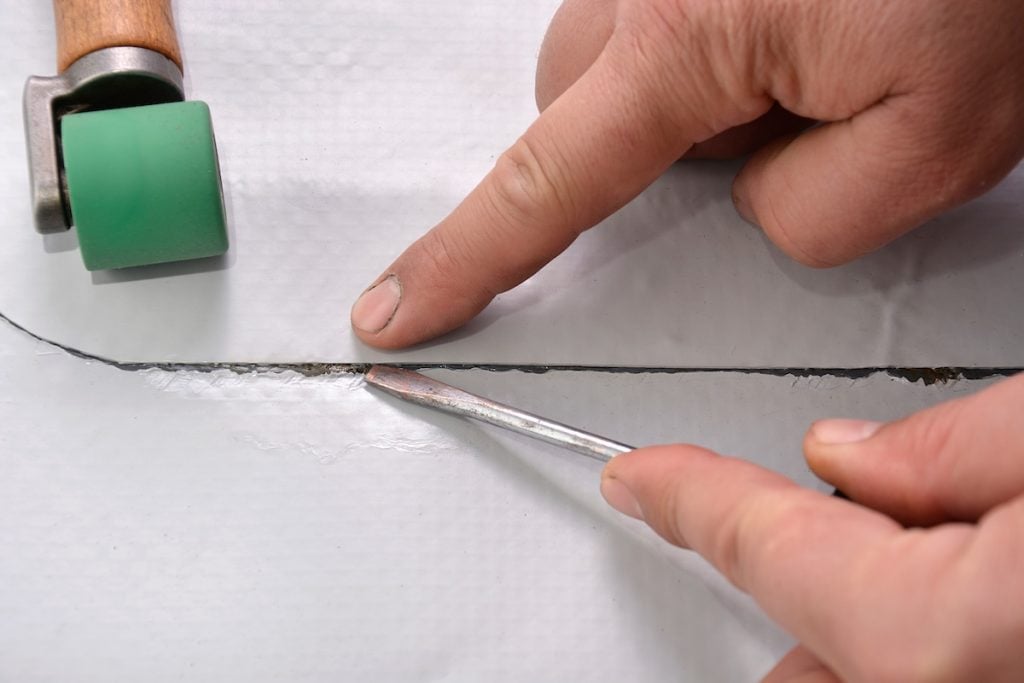
Seams and flashing are common weak points on TPO roofs. Regularly checking these areas helps prevent leaks before they start.
- Hot-air welded seams: Look for separation, bubbling, or visible gaps.
- Flashing integrity: Check around skylights, vents, and HVAC units for lifted edges.
- Perimeter terminations: Make sure edges remain sealed and properly fastened.
Promptly repairing seam separations and resealing flashing ensures your TPO membrane remains watertight under pressure from wind and rain.
4. Remove Debris and Inspect for Punctures
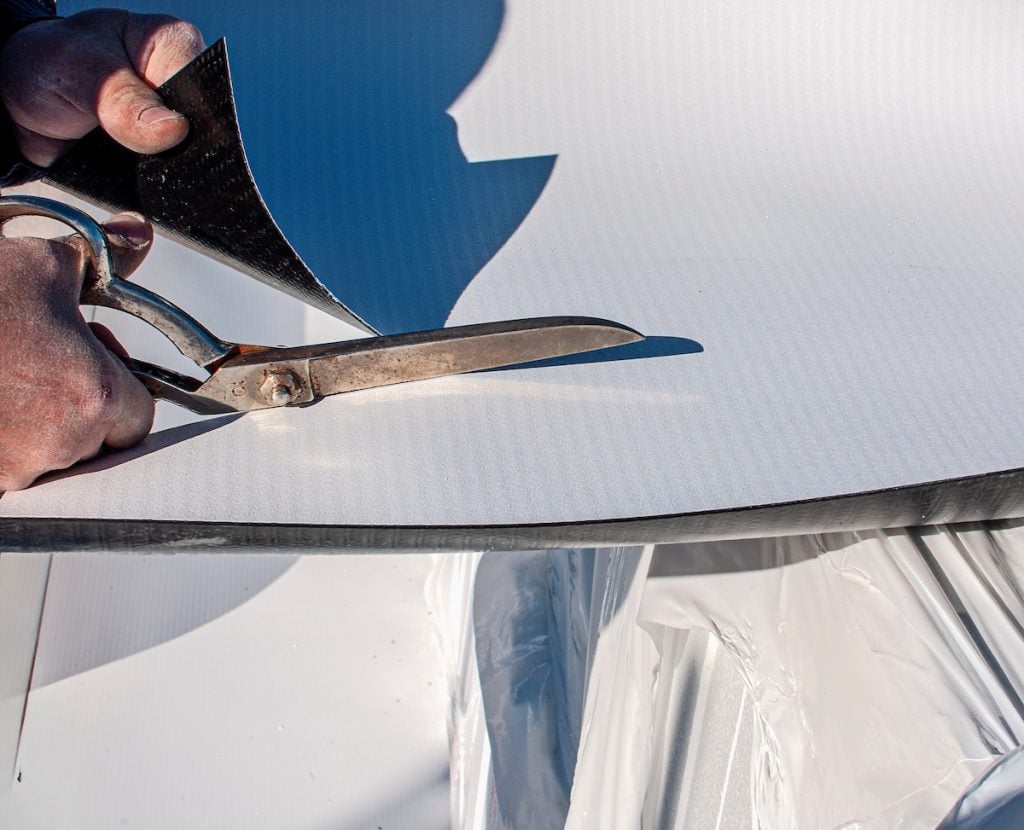
Storms can deposit branches, nails, and other debris on your roof, leading to membrane punctures and tears. Even minor damage can allow moisture infiltration over time.
- Clear after every storm: Remove any debris that could cause punctures or drainage blockages.
- Inspect high-traffic areas: Pay attention to zones near maintenance paths or rooftop equipment.
- Patch small holes quickly: Use manufacturer-approved repair materials for lasting results.
Maintaining a clean roof surface reduces the risk of damage and helps you identify new issues faster.
5. Check Rooftop Equipment and Supports
Many commercial roofs house heavy equipment like HVAC systems or solar panels, which can affect the roof’s stability if not properly secured.
- Inspect equipment curbs: Look for cracks, rust, or shifting components.
- Tighten mounts and fasteners: Strong winds can loosen hardware and damage the membrane.
- Verify sealant condition: Deteriorated sealant around supports can allow water intrusion.
Ensuring equipment is properly supported helps protect both your roof and your building’s critical systems.
6. Reinforce Vulnerable Areas Before Storms
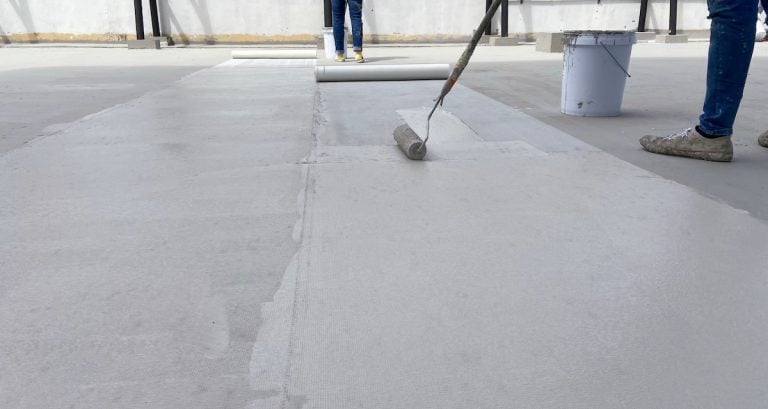
Certain roof areas are more prone to storm-related wear, such as seams near drains, flashing intersections, and areas around penetrations. Reinforcing these points can help your roof withstand severe weather.
- Add protective walkway pads: Prevent damage from foot traffic during maintenance.
- Apply additional sealant: Reinforce vulnerable seams and corners with compatible adhesives.
- Install wind uplift reinforcements: Edge anchors and fasteners improve stability during strong gusts.
Preventive reinforcement adds an extra layer of protection and reduces emergency repair needs during heavy storms in Ballantyne and surrounding areas.
7. Keep a Professional Maintenance Plan
Partnering with a qualified commercial roofing contractor ensures your TPO system receives consistent care. A maintenance agreement can include scheduled inspections, repairs, and documentation tailored to your building’s needs.
- Customized maintenance: Plans account for roof age, slope, and exposure level.
- Cost savings: Preventive care helps avoid premature replacements and unexpected repairs.
- Compliance assurance: Maintains warranty coverage and ensures OSHA safety compliance.
Regular professional attention keeps your roof ready for anything storm season brings and extends the overall service life of your system.
Long-Term Benefits of Consistent TPO Roof Maintenance
Staying consistent with TPO roof maintenance offers several long-term advantages for commercial property owners.
- Reduced operating costs: Preventing leaks minimizes repair expenses and energy loss.
- Improved insulation efficiency: Well-maintained membranes keep indoor climates stable.
- Preserved property value: A clean, watertight roof enhances your building’s professional appearance.
In Ballantyne and surrounding areas, where storms and heat can take a toll on flat roofing, maintaining your TPO system ensures maximum performance throughout the year.
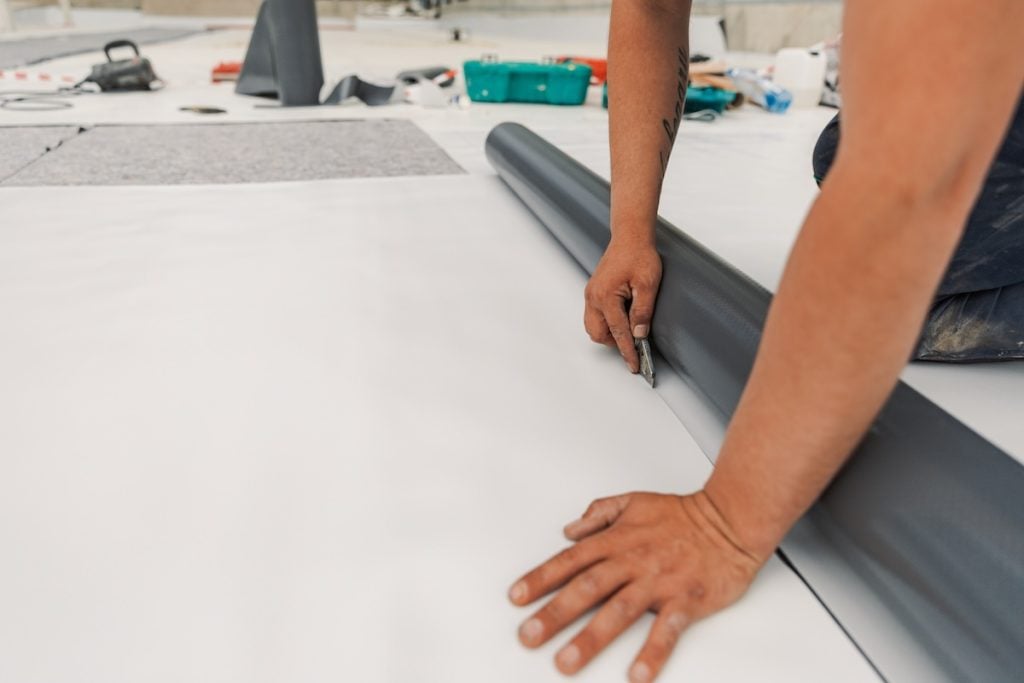
Protect Your Business With Preventive Maintenance
TPO roof maintenance is the most effective way to protect your commercial property from storm damage and costly downtime. Regular inspections, cleaning, and professional upkeep help prevent small issues from turning into large-scale repairs — saving both time and money in the long run.
Roof Medic proudly supports business owners in Ballantyne and surrounding areas with expert commercial roofing insight. A proactive approach today helps ensure your roof remains durable, efficient, and ready for whatever the next storm brings.
Reach out to Roof Medic today for expert guidance on maintaining your TPO roof and protecting your commercial property year-round.