704.228.7788
 704.228.7788
 04/28/2026
 6 minutes Read
Flat roof sealant is one of the most important tools for protecting low-slope roofing systems from leaks, ponding water, and long-term membrane damage. When applied correctly, the right sealant can extend the life of your flat roof and prevent small cracks from turning into costly interior repairs. But not all sealants are created equal, and choosing the wrong product can lead to repeat issues.
For homeowners in Cornelius and surrounding areas, where heavy rain and humidity are common, selecting the proper flat roof sealant makes a real difference. Here’s what you need to know before making a decision.
- Prevents active leaks: Seals seams, cracks, and penetrations before water spreads.
- Protects against ponding: Some products handle standing water better than others.
- Extends roof life: Proper sealing reduces premature membrane breakdown.
Why Flat Roof Sealant Matters More Than You Think
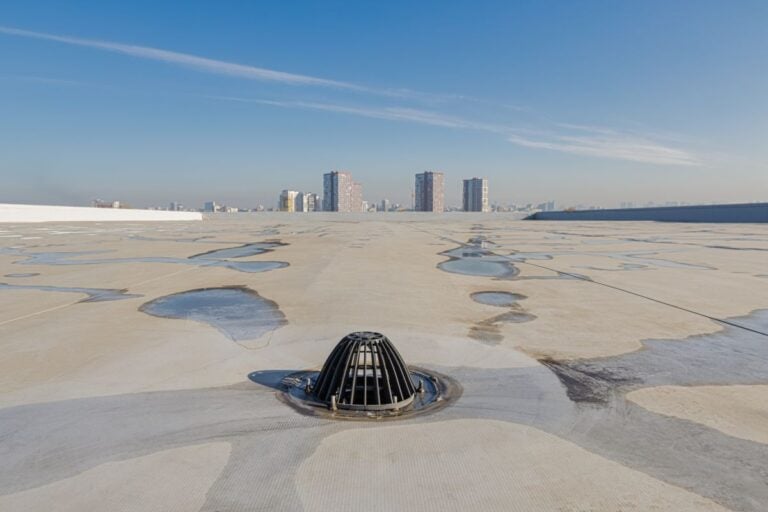
Flat and low-slope roofs shed water more slowly than steep roofs. That means seams, penetrations, and flashing endure more consistent exposure to moisture. Even a small split in the membrane can allow water to travel laterally, soaking insulation and weakening the roof deck.
We inspect flat roofs throughout Cornelius and surrounding areas every year, and most leak issues start small. A cracked seam. A failing vent boot. A dried-out coating around HVAC equipment. The right sealant, applied at the right time, prevents those small problems from becoming full replacements.
4 Best Flat Roof Sealant Options Explained Simply
Before applying any sealant, the surface must be clean, dry, and structurally sound. Sealant is not a substitute for proper repairs. It is a protective layer that reinforces vulnerable areas.
1. Silicone Roof Sealant
Silicone is one of the most reliable flat roof sealant options available, especially in areas where ponding water is common. Unlike many other products, silicone does not degrade quickly when exposed to standing water.
It remains flexible over time and resists UV damage from direct sun exposure. That makes it a strong choice for roofs in Cornelius and surrounding areas where both humidity and heat play a role in material breakdown.
- Excellent water resistance: Performs well in areas with standing water.
- UV stable: Resists cracking under prolonged sun exposure.
- Long-lasting flexibility: Expands and contracts with the roof surface.
- Ideal for ponding zones: Great around drains and low spots.
2. Polyurethane Sealant
Polyurethane sealant is known for its strong adhesion and durability. It bonds tightly to most flat roofing materials, including modified bitumen and metal flashing.
This type of sealant is especially useful in high-stress areas like roof penetrations, edge flashing, and mechanical curbs. It handles vibration and movement better than many alternatives.
- High adhesion strength: Bonds aggressively to multiple surfaces.
- Impact resistant: Handles hail and debris better than softer sealants.
- Flexible under movement: Withstands expansion and contraction.
- Paintable finish: Can be matched to surrounding materials.
If we see seam separation or flashing lift during an inspection, polyurethane is often part of the repair solution.
3. Acrylic Roof Sealant
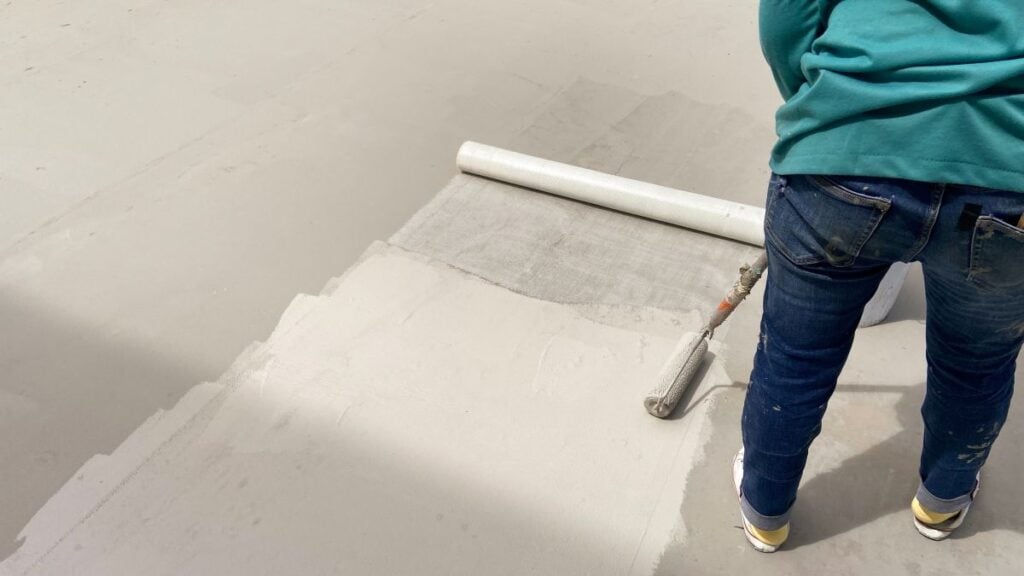
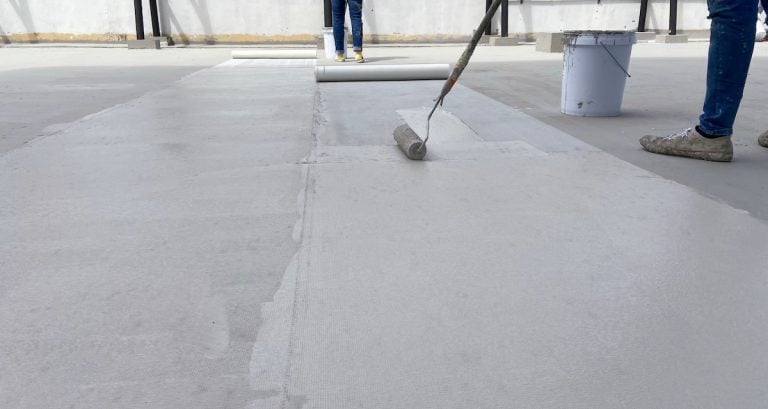
Acrylic sealants are water-based and cost-effective. They work well for minor repairs and preventative maintenance, particularly on roofs that do not experience standing water.
However, acrylic products are not ideal for areas where water sits for extended periods. In those cases, performance can decline faster than silicone or polyurethane.
- Budget-friendly option: Lower upfront cost.
- UV resistant: Helps protect against sun degradation.
- Easy application: Simple to spread and clean up.
- Best for light-duty repairs: Suitable for small cracks and surface sealing.
For homeowners in Cornelius and surrounding areas looking to maintain a relatively new flat roof, acrylic can be a practical maintenance solution when used correctly.
4. Butyl Rubber Sealant Tape
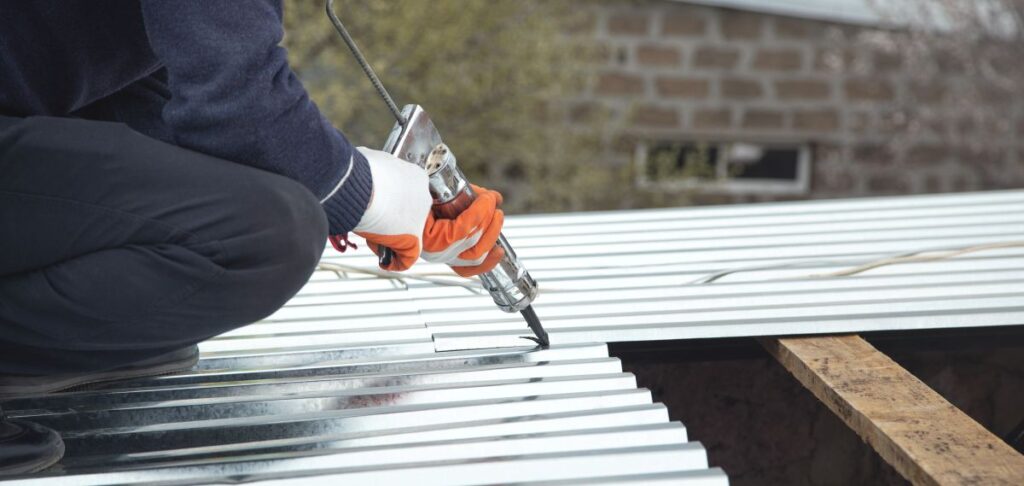
Butyl rubber tape is commonly used to seal seams, overlaps, and flashing joints. It creates a compressed watertight barrier when applied between surfaces.
This product is especially effective during installation or targeted seam repairs. It remains flexible and sticky for long periods, making it reliable in high-moisture environments.
- Strong compression seal: Forms a tight bond between panels.
- Long-lasting elasticity: Maintains flexibility over time.
- Minimal mess: Cleaner than liquid sealants.
- Ideal for seams: Excellent for overlap joints.
When applied correctly, butyl tape can significantly improve seam performance on flat roof systems.
Flat Roof Sealant Options Compared
Here’s a simple breakdown to help you compare the options:
| Sealant Type | Best Use | Handles Ponding Water | Durability Level |
| Silicone | Seams, drains, ponding areas | Yes | Very High |
| Polyurethane | Flashing, penetrations | Moderate | High |
| Acrylic | Minor cracks, maintenance | No | Moderate |
| Butyl Tape | Seams, overlaps | Yes | High |
Choosing the right flat roof sealant depends on the specific issue, not just the price tag.
Common Mistakes Homeowners Make With Flat Roof Sealant
We see these problems regularly during inspections:
- Applying over dirt or moisture: Sealant will not bond properly.
- Using the wrong product for ponding areas: Leads to premature failure.
- Overlooking structural damage: Sealant cannot fix rotten decking.
- Applying too thin: Insufficient coverage reduces effectiveness.
- Ignoring manufacturer guidelines: Cure times and thickness matter.
Sealant is part of a repair plan, not the entire solution.
When Sealant Is Not Enough
There are times when applying flat roof sealant will only delay a larger issue. If insulation is saturated or seams are failing across large sections, patchwork repairs may not hold long term.
That’s why every project we approach starts with a thorough inspection. As a GAF Master Elite contractor, a distinction held by only 3% of roofers nationwide, we do not guess. We identify the root cause before recommending a solution. Sometimes that solution is simple resealing. Sometimes it requires more.
How to Know Which Option Is Right for Your Roof
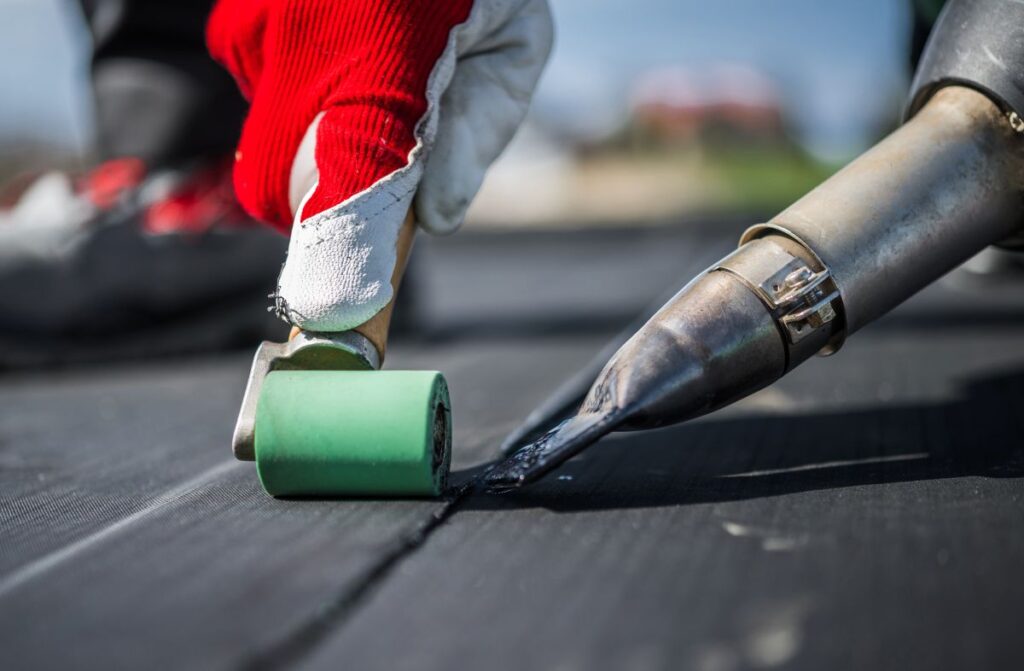
The best way to determine the proper flat roof sealant is to evaluate:
- Roof material type: TPO, modified bitumen, metal, or EPDM.
- Drainage patterns: Presence of ponding water.
- Extent of damage: Is it localized or widespread?
- Roof age: Older membranes may require reinforcement.
- Climate exposure: Humidity and storm frequency matter.
In Cornelius and surrounding areas, we often recommend sealants that prioritize moisture resistance and flexibility due to regional weather patterns.
Protect Your Flat Roof the Right Way
Flat roof sealant plays a critical role in preventing leaks and extending the life of low-slope roofing systems. Silicone, polyurethane, acrylic, and butyl rubber each serve specific purposes, and selecting the wrong one can lead to repeated repairs.
The key is identifying the real issue before applying anything.
Roof Medic proudly serves homeowners in Cornelius and surrounding areas with disciplined inspections and clear recommendations. We do not oversell. We do not cut corners. We fix problems the right way the first time.
Reach out to Roof Medic for expert guidance on protecting your flat roof and choosing the right sealant solution.