704.228.7788
 704.228.7788
 09/23/2025
 8 minutes Read
Understanding how flat roof repair works is essential for any commercial property owner. Flat and low-slope roofing systems are common across office buildings, warehouses, shopping centers, and industrial facilities, but they require specialized knowledge to maintain and repair effectively. If you’re facing leaks, blistering, or ponding water, knowing what to expect during a repair process can help you act quickly and protect your investment.
In this expert guide, you’ll learn:
- Common issues with flat roofs
- The full repair process from inspection to final sealing
- What materials are used for flat roof repair
- How to decide between repair and replacement
- Why hiring a professional is essential for long-term success
Common Problems That Require Flat Roof Repair
Flat roofs are more vulnerable to certain issues than sloped systems. Because water drains more slowly, even small problems can escalate quickly if ignored.
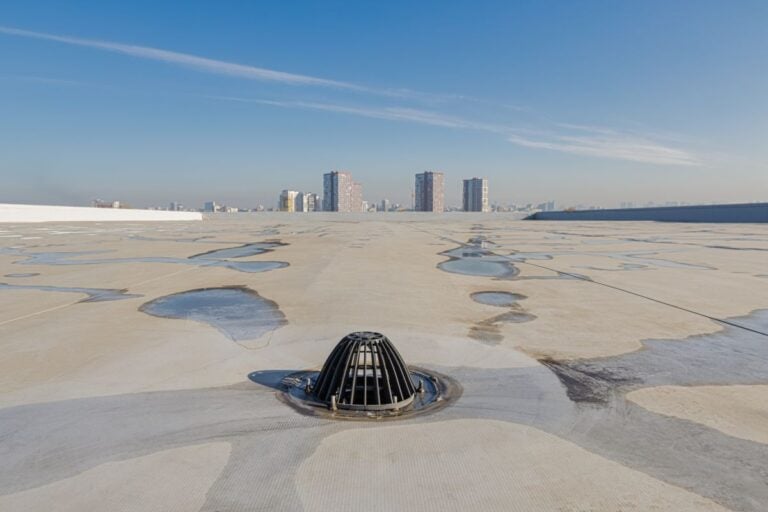
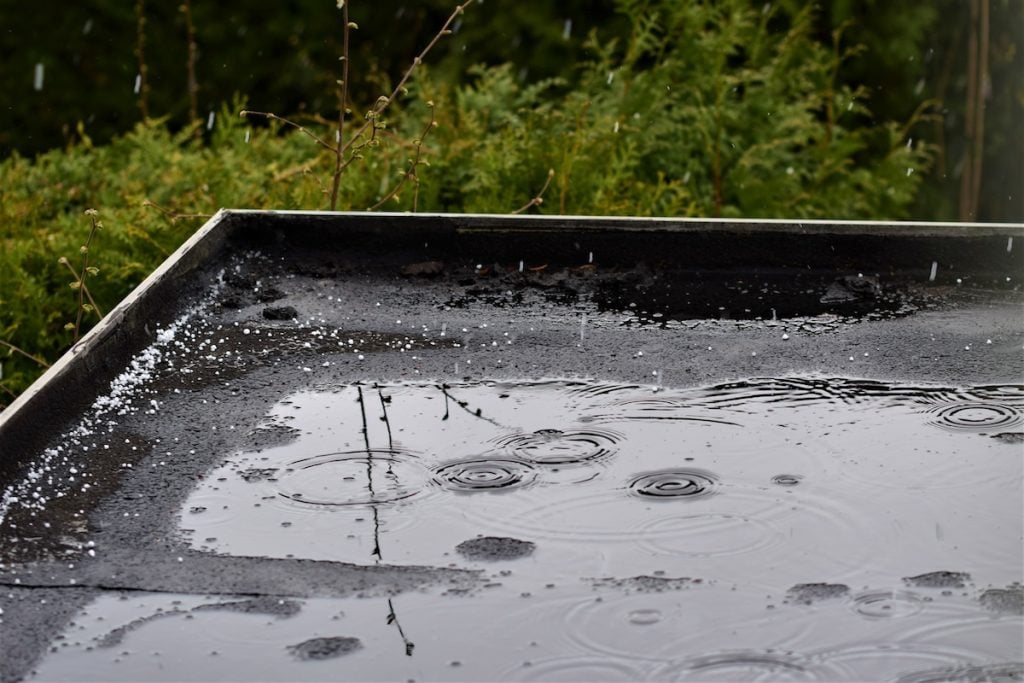
Ponding Water
Water that remains on the roof for more than 48 hours is considered ponding. This stresses the roof membrane and increases the risk of leaks, especially in seams or around flashing. Ponding may also signal improper slope or drainage issues that require structural correction.
Cracks, Blisters, and Splits
Blistering happens when air or moisture gets trapped beneath the membrane. Over time, blisters can crack open and expose the substrate to water. Cracks or splits often form near seams, flashing, or HVAC units where expansion and contraction are most common.
Membrane Punctures
Foot traffic, dropped tools, or severe weather can puncture single-ply membranes like TPO, EPDM, or PVC. These penetrations are typically small but dangerous—they allow water to enter insulation layers, leading to hidden damage that spreads undetected.
5 Step Guide: How Flat Roof Repair Works
The flat roof repair process involves multiple stages to ensure the issue is resolved at the source, not just covered up. Here’s how it works when handled by a qualified commercial roofing contractor.
1: Initial Inspection and Moisture Mapping
Every repair starts with a comprehensive roof inspection. Contractors assess the visible damage, but also use tools like infrared scanners, moisture probes, or drone footage to identify hidden problems. Knowing the full scope of moisture intrusion is key to making the right repair decision.
2: Diagnosing the Problem Area
After mapping the issue, your contractor determines whether the damage is isolated or widespread. Localized repairs may be enough, but in cases where insulation is soaked or seams have failed across large areas, replacement may be more cost-effective.
3: Preparing the Surface
Before applying any repair materials, the roof must be cleaned and dried thoroughly. Debris, dust, and moisture can prevent adhesives or sealants from bonding correctly. Any loose membrane or deteriorated substrate is removed at this stage.
4: Performing the Repair
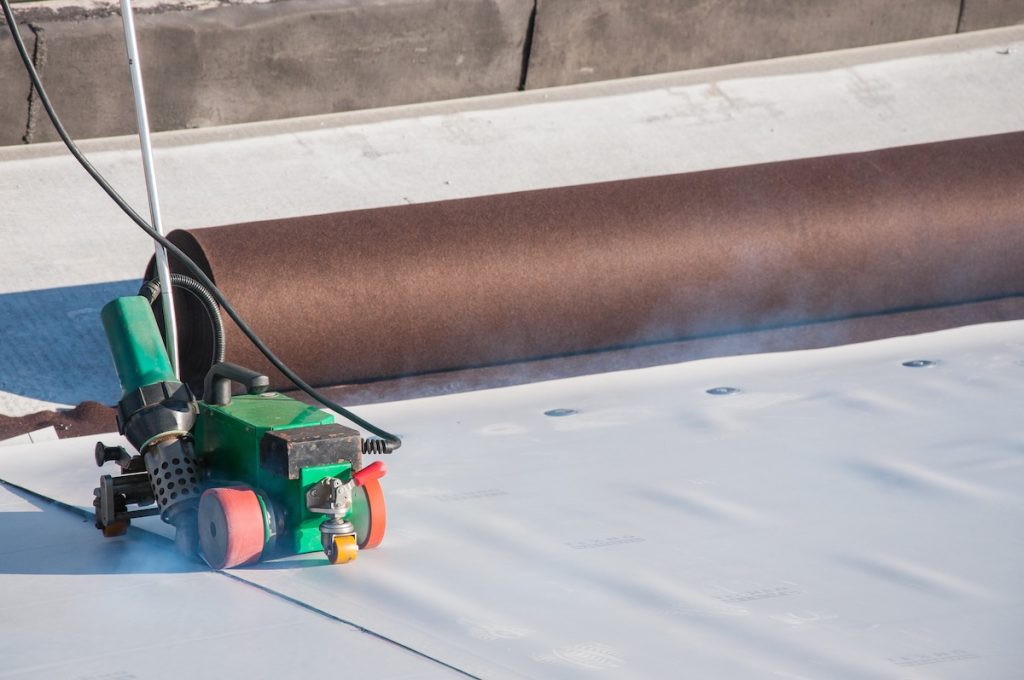
Depending on the roof type and issue, your contractor will patch, seal, or replace affected areas:
- For TPO/PVC roofs: Heat-welded patches are used to cover punctures or split seams
- For EPDM: Peel-and-stick patches or liquid EPDM are applied after priming
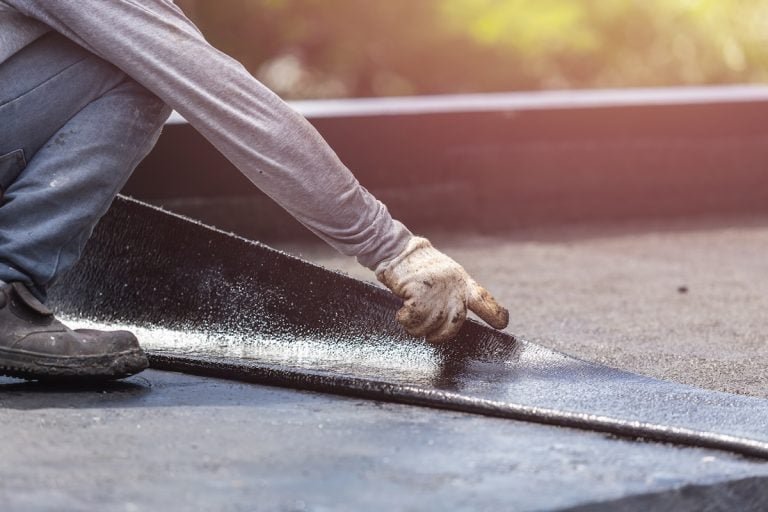
- For modified bitumen: Torch-down or cold adhesive membranes are installed over damaged sections
- For BUR (built-up roofing): New layers of bitumen and felt may be applied to reinforce compromised areas
Step 5: Sealing and Quality Testing
Once repairs are made, edges are sealed, and the area is inspected for water-tightness. A water test or visual inspection may be performed to verify proper adhesion and drainage. The crew also ensures that any rooftop equipment is re-secured and that no debris is left behind.
5 Signs That Your Flat Roof Needs Immediate Repair
- Interior ceiling stains or water spots: Indicate an active leak and should be addressed immediately.
- Visible bubbles or blisters on the membrane: These often lead to cracks and moisture intrusion.
- Ponding water that doesn’t drain: Suggests issues with slope, drainage, or clogged scuppers.
- Soft or spongy areas underfoot: May point to saturated insulation or deteriorated decking.
- Flashing or seam separation near equipment or walls: One of the most common causes of flat roof failure.
Repair vs. Replacement: How To Decide
Knowing when to repair vs. replace a flat roof is a critical decision that impacts budget, performance, and long-term ROI.
When Repairs Are the Right Choice
Flat roof repairs are ideal when the damage is confined to a small area and the rest of the membrane is still in good condition. For example, a puncture near an HVAC unit or seam separation at one corner may only require a localized patch and seal.
- Roof age is under 10–12 years
- Damage is isolated and not recurring
- No major insulation saturation is present
- Warranty is still active and repairable
When Replacement Is Necessary
A full roof replacement is recommended when multiple issues affect the roof or when repairs become frequent and costly. If the membrane is brittle, seams are failing across large areas, or insulation is waterlogged, investing in a replacement saves money long-term.
- Roof age exceeds 15–20 years
- Multiple leak sources or widespread damage
- Repair costs exceed 30% of replacement
- System is no longer under warranty
How Much Does Flat Roof Repair Cost in North Carolina?
Repair costs vary based on the type of damage, roof material, and the extent of moisture intrusion. Below are typical ranges for commercial flat roof repairs:
| Repair Type | Typical Cost Range | Timeframe |
|---|---|---|
| Small patch (puncture or blister) | $150 – $500 | 2–4 hours |
| Seam or flashing repair | $300 – $900 | Half to full day |
| Ponding water / drainage fix | $500 – $1,500 | 1–2 days |
| Large membrane section replacement | $1,000 – $4,000 | 1–3 days |
| Full flat roof replacement | $5,000 – $20,000+ | 2–5 days |
Costs depend on roof size, material type (TPO, EPDM, PVC, modified bitumen), accessibility, and local labor rates. Always request an itemized quote before work begins.
Why You Should Never DIY Flat Roof Repairs
Flat roofing requires specialized tools, materials, and training. Mistakes can void warranties, hide ongoing leaks, and lead to more expensive repairs down the line. Additionally, commercial buildings often require permits, insurance compliance, and OSHA safety procedures that go beyond basic handyman skills.
- Incorrect repairs can trap moisture
- Using the wrong materials can cause adhesion failure
- Patching over damage can void manufacturer warranties
- DIY repairs often miss hidden water damage
North Carolina’s climate puts flat roofs under significant stress year-round. Summers in Charlotte and Raleigh bring intense heat and UV exposure that accelerates membrane degradation, causing blistering and premature cracking, especially in aging TPO and EPDM systems. The region’s high humidity creates the ideal conditions for moisture to work its way into seams and insulation layers, often going undetected until interior damage appears.
Hurricane season adds another layer of risk, with heavy rainfall and high winds capable of separating flashing, pooling water faster than drains can handle, and introducing debris punctures. Winter freeze-thaw cycles, while milder than in northern states, can still expand existing cracks and compromise sealants over time. If your commercial property is located in the Charlotte or Raleigh area, these conditions make routine inspections and prompt repairs essential not optional.
Roof Medic’s teams in both Charlotte and Raleigh are familiar with the specific wear patterns these conditions create and are equipped to address them before minor issues become costly failures.
Trust Roof Medic for Expert Flat Roof Repair
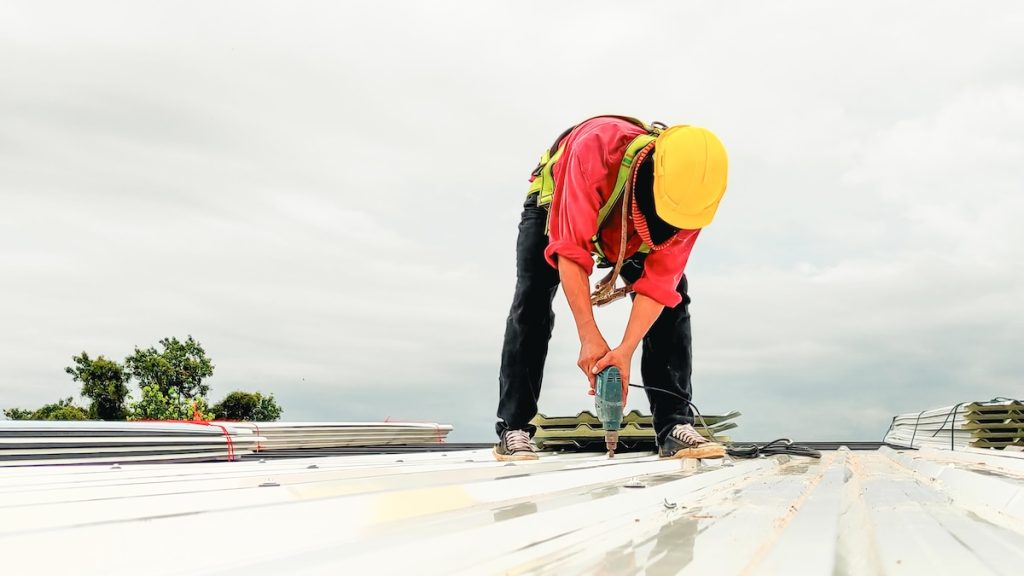
Flat roof repair isn’t just about sealing a leak—it’s about restoring the performance and lifespan of your entire roofing system. Whether you’re dealing with ponding water, seam failure, or membrane damage, working with experienced professionals ensures long-lasting protection and fewer headaches.
At Roof Medic, we provide expert flat roof repair for commercial buildings of all sizes. Our team uses industry-leading tools, high-performance materials, and thorough inspections to solve problems at their source.
Need expert help with your flat roof? Contact Roof Medic today to schedule a professional service and get fast, reliable flat roof repair that protects your property and your bottom line.
Frequently Asked Questions
How much does it cost to repair a flat roof?
Flat roof repair costs typically range from $150 for a small patch to $4,000 or more for a large membrane section replacement. The final price depends on the type of damage, roof material, roof size, and local labor rates. In North Carolina, most localized commercial flat roof repairs fall between $300 and $1,500. Always request an itemized quote before work begins.
How long does a flat roof repair take?
Most flat roof repairs are completed within a few hours to two days. A simple puncture patch or seam seal can be done in half a day, while more extensive repairs involving insulation replacement or large membrane sections may take one to three days. Emergency repairs can often be prioritized to protect the building from further water intrusion.
How do I know if my flat roof can be repaired or needs to be replaced?
If the damage is isolated, the roof is under 12 years old, and less than 30% of the membrane is compromised, repair is usually the right call. If your roof is over 15–20 years old, has multiple leak sources, widespread insulation saturation, or repair costs are approaching 30% of replacement value, a full replacement is likely the more cost-effective long-term solution.
What causes flat roofs to leak?
The most common causes of flat roof leaks include seam and flashing separation, membrane punctures from foot traffic or debris, ponding water that degrades the membrane over time, and blistering caused by trapped moisture or air beneath the surface. In North Carolina, seasonal heat, humidity, and storm activity accelerate these issues.