704.228.7788
 02/19/2024
 8 minutes Read
When it comes to replacing your roof, choosing the right shingle type affects far more than curb appeal. It impacts how long your roof lasts, how it performs in North Carolina storms, how much maintenance you’ll need, and what you’ll pay now versus later.
At Roof Medic, we help homeowners compare roofing systems based on real-world factors like budget, lifespan, weather resistance, and home style. In this guide, we’ll break down the 4 main types of roof shingles. Asphalt, wood, metal, and slate. So you can compare each option by cost, durability, lifespan, fire resistance, and appearance.

7 Types of Roof Shingles Explained
Shingles come in various materials, each with its unique characteristics. Let’s explore some of the most common types of roof shingles:
1. Asphalt Shingles
Asphalt shingles are the most popular roofing material in the United States. They are known for their affordability, durability, and ease of installation. Here are their pros and cons:
Pros:
- Cost-effective: Asphalt shingles are budget-friendly and readily available.
- Variety: They come in a wide range of colors and styles, making it easy to match your home’s aesthetic.
- Easy installation: Contractors can install asphalt shingles quickly, reducing labor costs.
- Durability: High-quality asphalt shingles can last up to 30 years or more.
Cons:
- Vulnerable to extreme weather: They can be damaged by severe wind, hail, and extreme temperature fluctuations.
- Environmental impact: Asphalt shingles are not the most eco-friendly option as they contribute to landfill waste.
- Lifespan: While durable, they may not last as long as some other materials like metal or slate.
2. Wood Shingles and Shakes
Wood shingles and shakes provide a natural and rustic look to your home. Cedar and redwood are commonly used wood types for roofing. Here are their pros and cons:
Pros:
- Aesthetic appeal: Wood shingles have a timeless and elegant appearance.
- Insulation: They provide natural insulation, helping regulate indoor temperatures.
- Longevity: Properly maintained wood shingles can last 30 to 50 years.
Cons:
- Cost: Wood shingles can be expensive, both in terms of materials and installation.
- Maintenance: They require regular maintenance, including sealing and staining, to prevent rot and decay.
- Fire risk: Some areas have restrictions on wood shingles due to their flammability.

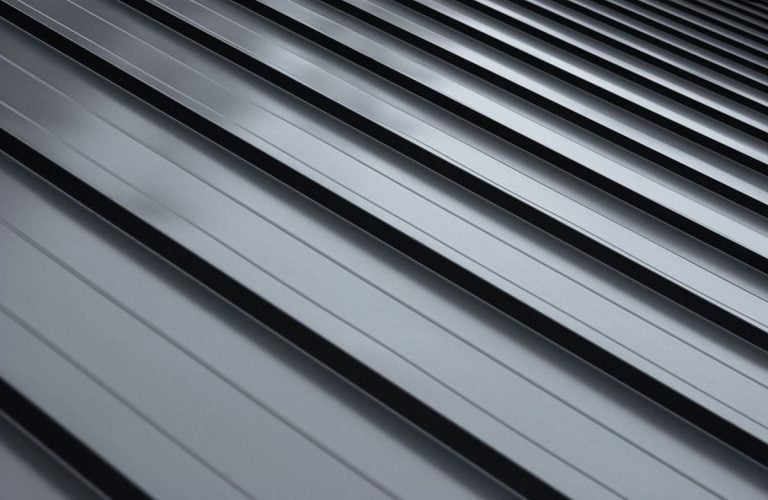
3. Metal Roofing
Metal roofing has gained popularity for its durability and energy efficiency. It comes in various materials like steel, aluminum, and copper. Here are their pros and cons:
Pros:
- Longevity: Metal roofs can last 50 years or more, often outlasting other roofing materials.
- Durability: They are resistant to fire, wind, and extreme weather conditions.
- Energy-efficient: Metal roofs reflect solar radiant heat, reducing cooling costs.
- Low maintenance: Minimal maintenance is required, making them a hassle-free option.
Cons:
- Cost: Metal roofing can be more expensive upfront compared to asphalt shingles.
- Noise: Some homeowners find metal roofs noisy during heavy rain or hailstorms.
- Expansion and contraction: Metal roofs can expand and contract with temperature fluctuations, leading to noise and potential maintenance issues.
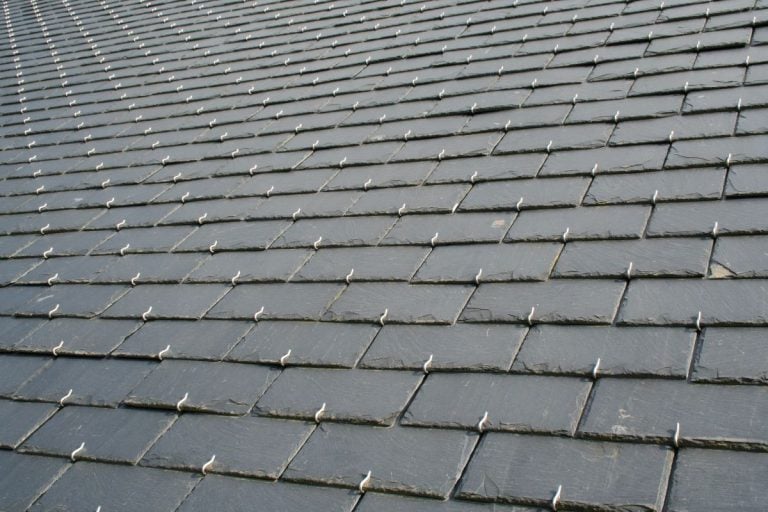
4. Slate Shingles
Slate shingles are a premium roofing material known for their elegance and longevity. They are made from natural stone and are available in various colors. Here are their pros and cons:
Pros:
- Aesthetic beauty: Slate shingles offer a luxurious and classic look to your home.
- Durability: They can last for over a century with proper maintenance.
- Fire-resistant: Slate is inherently fire-resistant, providing extra protection to your home.
Cons:
- Cost: Slate roofing is one of the most expensive options due to the high-quality material and labor-intensive installation.
- Weight: Slate is heavy, and your roof structure may require reinforcement to support it.
- Fragility: While durable, slate can be brittle and may break if walked on.
5. Composite (Synthetic) Shingles
These mimic slate or wood but are lighter and easier to install.
Pros
- Lower maintenance
- Durable alternative
- Lighter than slate
Cons
- Still relatively expensive
6. Rubber Shingles
Often made from recycled materials and designed for durability.
Pros
- Impact-resistant
- Eco-friendly
Cons
- Limited style options
7. Solar Shingles
Solar shingles generate electricity while functioning as roofing.
Pros
- Energy savings
- Modern appearance
Cons
- High upfront cost
- Complex installation
Comparison Table:
| Type | Cost (Installed) | Cost / Sq Ft | Lifespan | Weight | Fire Rating | Best For |
|---|---|---|---|---|---|---|
| Asphalt | $5K–$10K | $3–$6 | 20–30 yrs | Light | Class A | Budget-friendly |
| Wood | $10K–$18K | $6–$10 | 25–40 yrs | Medium | Varies | Natural look |
| Metal | $8K–$15K | $7–$12 | 40–70 yrs | Light | Class A | Durability |
| Slate | $15K–$30K+ | $15–$30 | 75–100+ yrs | Heavy | Class A | Luxury homes |
| Composite | $10K–$20K | $7–$14 | 30–50 yrs | Medium | Class A | Low-maintenance alternative |
| Rubber | $8K–$16K | $6–$12 | 30–50 yrs | Medium | Class C–A | Impact resistance |
| Solar | $20K–$60K+ | Varies | 25–40 yrs | Medium | Class A | Energy savings |
Popular Shingle Brands
Choosing the right shingle brand is just as important as selecting the material. Here are some well-known shingle brands:
GAF
GAF is a leading manufacturer of asphalt shingles. They offer a wide range of styles and colors, making it easy to find the perfect shingle for your home. GAF shingles are known for their quality and durability.
Owens Corning
Owens Corning is another reputable brand in the world of roofing. They produce asphalt, wood, and metal roofing materials. Owens Corning shingles are recognized for their energy efficiency and durability.
CertainTeed
CertainTeed is known for its wide selection of roofing products, including asphalt, wood, metal, and slate shingles. They are committed to sustainability and offer eco-friendly options.
Tesla Solar Roof
For those interested in solar energy integration, Tesla’s Solar Roof is an innovative choice. These shingles have integrated solar panels, combining roofing and energy generation.
Cost to Replace Your Roof Shingles
The cost of replacing roof shingles varies widely depending on several factors:
- Roof Size: The larger your roof, the more materials and labor will be required, increasing the overall cost.
- Shingle Material: Different materials come at different price points. Asphalt shingles are the most affordable, while slate shingles are the most expensive.
- Labor Costs: Labor charges can vary based on location, roofing contractor, and complexity of the job.
- Additional Work: If your roof needs repairs or structural improvements, this will add to the overall cost.
As a rough estimate, replacing roof shingles can range from $5,000 to $15,000 or more, depending on these factors.
How to Maintain a Shingle Roof
Proper maintenance is essential to ensure the longevity of your shingle roof. Here are some tips to keep it in top condition:
- Regular Inspections: Inspect your roof at least twice a year, ideally in the spring and fall. Look for loose or damaged shingles, rust on metal roofs, or signs of wear and tear.
- Clean Gutters: Clogged gutters can lead to water damage and rot. Clean them regularly to ensure proper drainage and prevent water from seeping under your shingles.
- Remove Debris: Clear leaves, branches, and debris from your roof’s surface. Accumulated debris can trap moisture, causing damage over time.
- Trim Overhanging Branches: Trees near your home can drop branches onto your roof during storms. Trim overhanging branches to reduce the risk of damage.
- Prevent Moss and Algae: If you notice moss or algae growth on your shingles, consider installing zinc or copper strips along the roof’s ridge. These metals release ions that inhibit the growth of moss and algae.
- Professional Inspection: Hire a professional roofing contractor for a thorough inspection every few years. They can identify issues early and recommend necessary repairs.
- Address Repairs Promptly: If you notice damaged or missing shingles, address the repairs promptly to prevent water leaks and further damage to your roof’s structure.
Which Roof Shingle Is Best for North Carolina?
North Carolina roofs face:
- Heat
- Humidity
- Heavy rain
- Storm winds
Best choices:
- Asphalt shingles → affordable + reliable
- Metal roofing → best durability
Consider carefully:
- Wood → high maintenance in humidity
- Slate → expensive + heavy
Local experience shows metal and architectural asphalt perform best long-term in NC conditions

Get The Best Roofing Shingles For Your Home
Choosing the right type of roof shingles is a crucial decision for any homeowner. Consider the material, pros and cons, popular brands, and your budget when making your choice. Regular maintenance and timely repairs are key to ensuring the longevity and performance of your shingle roof. With the right knowledge and care, your roof can continue to protect your home for years to come.
Contact Roof Medic today, to learn all of your options when it comes to roofing shingles!
Last Updated: March 2026
FAQs
What type of roof shingle is best overall?
There isn’t a single “best” roof shingle for every home because the right choice depends on your budget, how long you plan to stay in the home, and your priorities. Asphalt shingles are typically the best overall value because they balance affordability and performance. Metal roofing is often the best long-term investment due to its durability and lifespan, while slate offers the highest longevity and a premium appearance. For most homeowners, architectural asphalt or metal roofing provides the best mix of cost, performance, and reliability.
What is the cheapest type of roof shingle?
Asphalt shingles are the most affordable type of roof shingle, usually costing between $5,000 and $10,000 for a full roof replacement on an average home. They are widely used because they offer a reliable level of protection at a lower upfront cost compared to other materials. Their ease of installation and availability also help keep labor and material costs down, making them the go-to option for budget-conscious homeowners.
What roof shingles last the longest?
Slate shingles last the longest of any common roofing material, often lasting 75 to 100 years or more when properly installed. Metal roofing is the next longest-lasting option, typically lasting 40 to 70 years, followed by composite and rubber shingles at around 30 to 50 years. Asphalt shingles have the shortest lifespan, usually lasting 20 to 30 years. Choosing a longer-lasting material can reduce the need for future replacements, especially if you plan to stay in your home long-term.