704.228.7788
 704.228.7788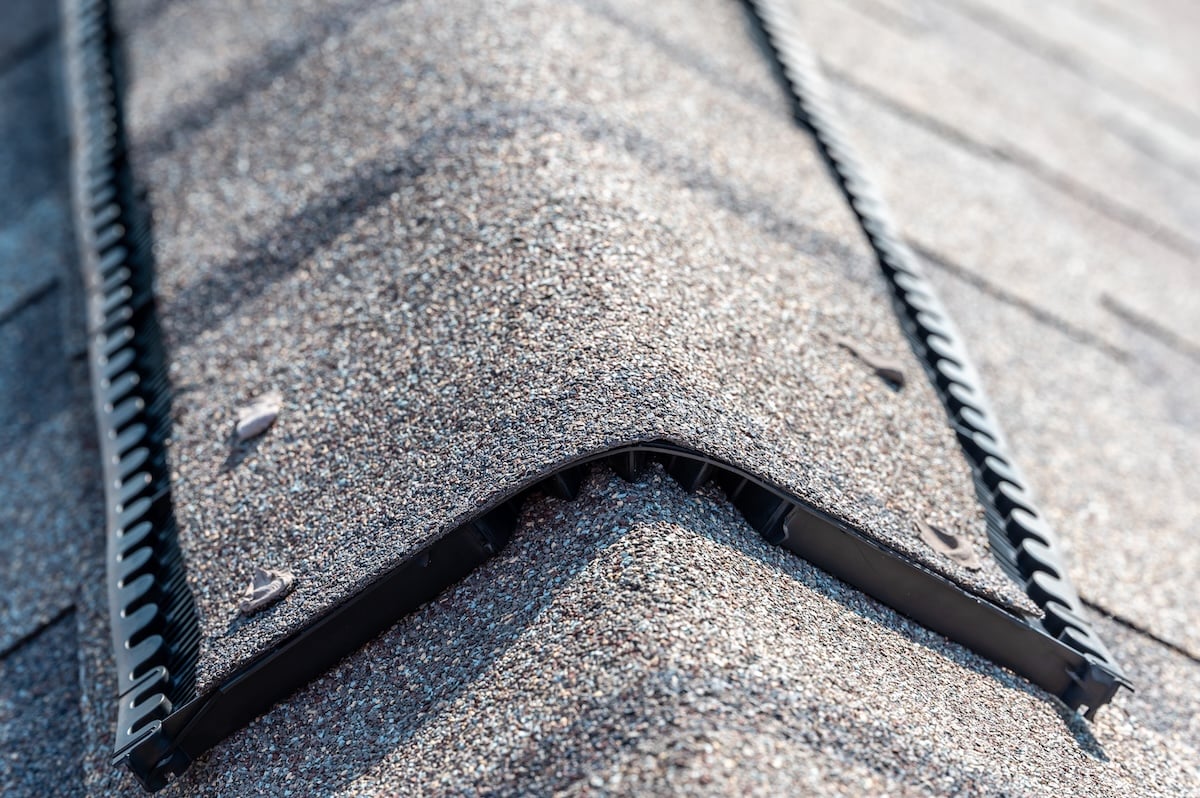
 04/03/2025
 7 minutes Read
The ridge vent installation cost in 2026 is an important consideration for homeowners committed to maintaining a healthy and efficient roof. Ridge vents, located at the peak of your roof, play a critical role in improving attic ventilation, regulating indoor temperatures, and extending the life of your shingles. Whether you’re building a new home or upgrading your roof, understanding the factors influencing installation costs can help you make an informed decision.
Here’s what we’ll explore in this guide:
- Average costs for ridge vent installation in 2026
- Key factors that affect pricing
- Why professional installation is essential for long-term performance
Keep reading to learn everything you need to know about ridge vent installation and what you can expect to budget for this home improvement project.
Average Cost to Install Ridge Vent in 2026
Ridge vent installation costs in 2026 vary depending on the roof type, materials, labor costs, and regional price differences. On average, homeowners can expect to pay between $7 and $15 per linear foot for roof ridge vent installation. For a standard roof ridge of approximately 40 to 50 linear feet, the total cost can range from $300 to $750.
What’s Included in Installation Costs?
When estimating ridge vent installation expenses, it’s important to understand what’s typically covered:
- Materials include ridge vent caps, fasteners, and underlayment required for proper sealing.
- Labor encompasses removal of old vents (if applicable), cutting precise ridge openings, and installing the new vent system.
- Additional costs may apply if your roof requires repairs or structural adjustments before the ridge vents can be installed.
The prices above represent general averages, and exact costs depend on multiple factors, which we’ll detail further below.
Factors Influencing Ridge Vent Installation Costs
Now that you have an overview of average costs, it’s time to examine the specific factors that influence pricing. These elements help explain why one project might cost less or more than another.
Roof Size and Complexity
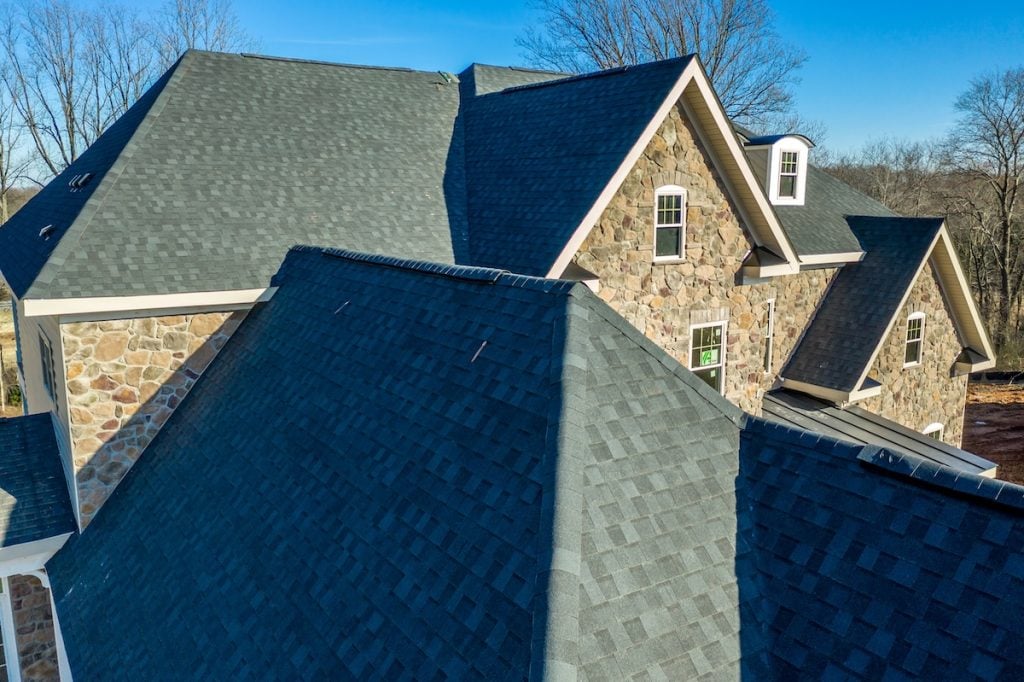
The size and design of your roof significantly impact the cost of ridge vent installation. Larger roofs translate to longer ridges, which require more materials and labor. Additionally, complex roof designs with multiple ridges or steep pitches can increase labor time and require specialized skills, adding to the overall cost.
| Roof Size | Typical Cost Range |
|---|---|
| Small (1,000 sq ft) | $300 – $500 |
| Medium (2,000 sq ft) | $500 – $900 |
| Large (3,000+ sq ft) | $900 – $1,500+ |
Costs vary based on roof pitch, accessibility, and labor rates.
Vent Type and Material
There are several types of ridge vents available on the market, and the materials chosen can affect both the cost and performance. Common ridge vent materials include:
- Aluminum: Lightweight, rust-resistant, and affordable. Pricing generally falls in the middle range.
- Plastic (PVC): A cost-effective option that offers durability and ease of installation.
- Steel: A premium material that is highly durable but comes at a higher price point.
Each material comes with its own set of advantages, but opting for high-quality materials often leads to better performance and durability.
Roofing Material Compatibility
Some roofing materials, like asphalt shingles, are easier to work with and require fewer modifications during ridge vent installation. On the other hand, metal roofing or tile roofing may require extra labor or custom fittings, which can increase installation costs.
Labor Costs
Labor rates vary widely depending on geographic location and the expertise of the roofing contractor. Hiring an experienced, certified roofing professional ensures proper installation, which is essential for maximizing the effectiveness of ridge vents. While skilled laborers may charge a premium, their workmanship can save you from costly repairs down the road.
Regional Pricing Variations
Costs can also fluctuate depending on where you live. Materials might be more expensive in some regions, while labor costs tend to align with the local cost of living. For example:
- Urban areas often have higher labor rates due to demand.
- Rural areas may have lower labor costs, but delivery fees for materials might be higher.
Step-by-Step Ridge Vent Installation: Process and Costs
To better understand the installation costs, it’s helpful to know what’s involved in the process. Below, we provide an overview of the steps, breaking them down into a numbered list.
- Inspection and Preparation: Before installation begins, your contractor will inspect the roof. They check for structural damage, water leaks, or mold that may need addressing before cutting into the ridge line.
Cost range for inspection: $100–$200 (if not included in the total installation package).
- Removal of Old Roof Ventilation (if applicable): If your home already has an outdated ventilation system, it will need to be removed to make way for the new ridge vent.
Cost range for removal: $50–$150, depending on the complexity.
- Cutting the Ridge Line: The contractor will carefully cut an opening along the peak of your roof to create the airflow channel. This step requires precision to avoid structural damage.
Cost range: Included in labor costs for the main project.
- Installing the Ridge Vent: The roof ridge vent is secured over the ridge line with fasteners, ensuring a snug fit. If shingles are being replaced simultaneously, this step will seamlessly integrate into the roofing process.
Cost range for materials (vent caps and fasteners): $7–$15 per linear foot.
- Adding Underlayment and Sealing: Underlayment is added beneath the vent to protect against leaks, and contractors seal the edges to ensure the system remains watertight.
Cost range for underlayment/sealing materials: $50–$150 for a standard roof.
- Final Inspection: A quality roofing contractor will conduct a final inspection to ensure proper installation and verify that the vent is functioning as intended.
Cost range for inspection post-installation (often included with project): $0–$100.
Why Professional Installation Matters
While DIY roof ridge vent installation might seem like a cost-saving alternative, it comes with significant risks. Improperly installed ridge vents can lead to:
- Water leaks and structural damage
- Inefficient ventilation, which may void shingle warranties
- Decreased energy efficiency in your home
Hiring a licensed roofing contractor ensures the job is done correctly the first time. Professionals bring the expertise, tools, and high-quality materials needed to deliver a durable and effective solution.
5 Signs You Need a Ridge Vent
If your home lacks proper attic ventilation, you may notice:
- Hot attic in summer – trapped heat raises cooling costs
- Ice dams in winter – poor airflow causes uneven roof temperatures
- Moisture or mold – condensation buildup in attic space
- Peeling paint on soffits – excess moisture escaping improperly
- High energy bills – HVAC system working harder than necessary
If you notice 2+ of these, a ridge vent installation is often worth it.
Ridge Vents vs. Alternative Roof Ventilation Systems
A roof ridge vent is just one of several attic ventilation solutions. Here’s how they compare to other options:
- Gable Vents: Installed on the ends of the roof, these vents are less effective at ventilating the attic evenly but may be more affordable to install.
- Soffit Vents: Often paired with ridge vents for optimal airflow, soffit vents offer a complementary role.
- Turbine Vents: These spinning vents rely on wind power but can be noisy and less aesthetically pleasing.
- Solar-Powered Vents: A modern solution powered by renewable energy, but they often come with higher upfront costs.
When deciding between options, ridge vents are often considered the most effective and unobtrusive choice, providing consistent airflow across the entire roof.
| Type | Cost | Effectiveness | Best For | Noise Level |
|---|---|---|---|---|
| Ridge Vent | $$ | High | Most homes | Silent |
| Box Vents | $ | Medium | Budget installs | Silent |
| Turbine Vents | $$ | Medium-High | Windy areas | Moderate |
| Powered Vents | $$$ | High | Large attics | Loud |
What Is a Ridge Vent vs Ridge Cap?
Many homeowners confuse these two — but they serve very different purposes:
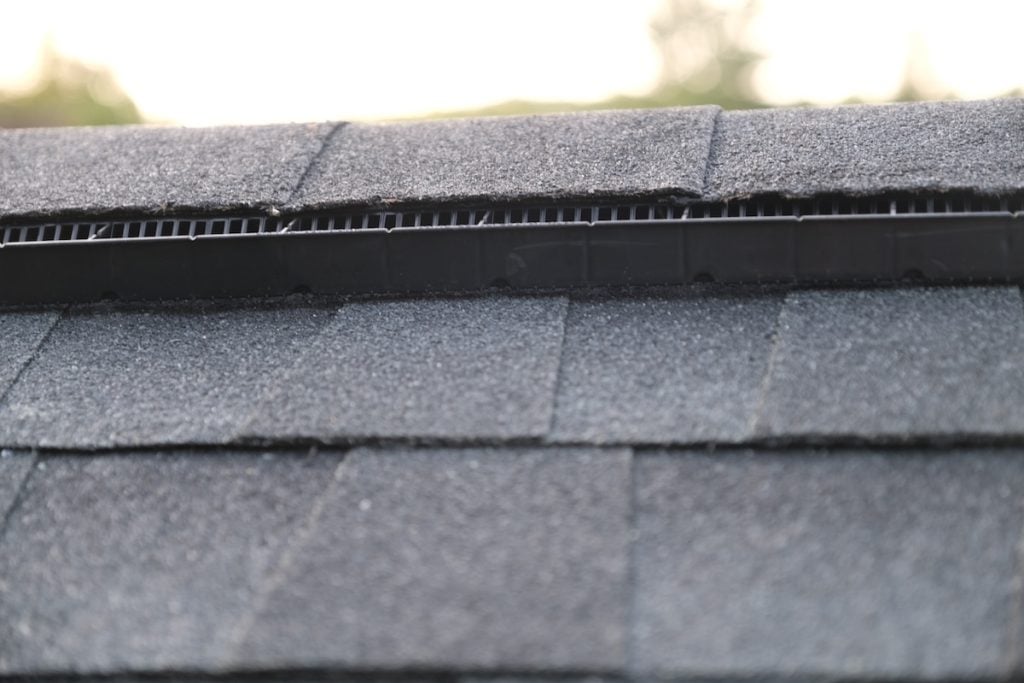
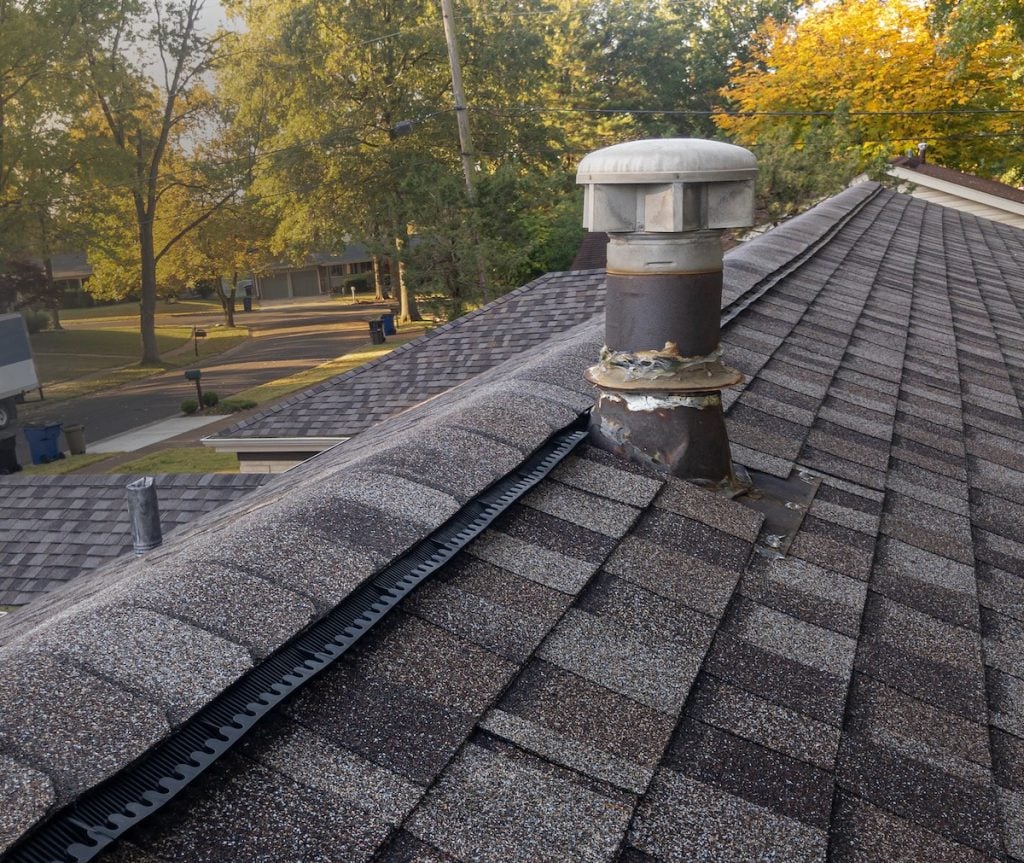
- Ridge Vent = ventilation system installed along the peak of your roof to allow hot air to escape
- Ridge Cap = the shingles or material that covers the ridge line for protection and aesthetics
Why Choose Roof Medic for Your Roofing Needs?
When it comes to roofing solutions, Roof Medic is the team you can trust. We bring years of experience, unmatched expertise, and a commitment to delivering exceptional results that protect your home and enhance its value. Here’s why homeowners rely on us:
- Certified Professionals: Our roofing experts are fully licensed and trained to install ridge vents with precision and care.
- High-Quality Materials: We source durable, industry-leading materials to ensure your roof stands the test of time.
- Customer Satisfaction Guarantee: Your satisfaction is our top priority. We’re not happy until you are.
Don’t leave your attic ventilation to chance; contact Roof Medic today. Protect your home and enjoy peace of mind knowing your roof is in expert hands.
Last Updated: March 2026