704.228.7788
 704.228.7788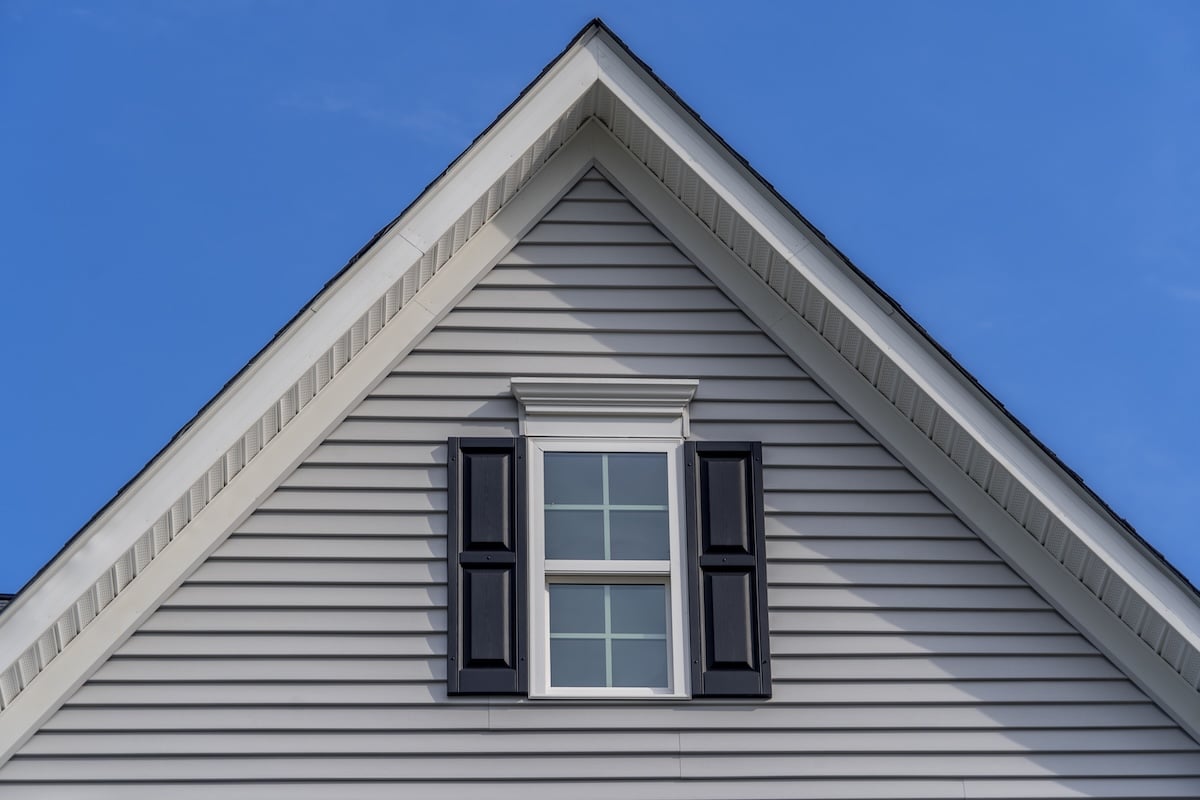
 09/16/2025
 8 minutes Read
Understanding the minimum roof pitch is essential when planning a new roof or replacing an existing one. Roof pitch affects how your home sheds water, handles snow, supports roofing materials, and even meets local building codes. Choosing the right pitch not only ensures durability—it also determines which roofing materials you can use.
In this guide, we’ll cover:
- What roof pitch is and how it’s measured
- The minimum roof pitch for different materials
- Which pitch is best for your climate
- Pros and cons of low-slope roofing
- A helpful comparison table of materials vs. minimum pitch
What Is Roof Pitch?
Roof pitch refers to the angle or steepness of your roof, typically expressed as a ratio of vertical rise over horizontal run. For example, a 4:12 pitch rises 4 inches for every 12 inches of horizontal distance. The higher the first number, the steeper the roof.
Why Pitch Matters
Pitch affects how water drains, how snow loads are handled, and what type of roofing materials can be safely installed. Steeper roofs shed water more quickly, reducing the risk of leaks. Lower-pitch roofs require more waterproofing and careful material selection to prevent pooling or water intrusion.
How To Measure Roof Pitch
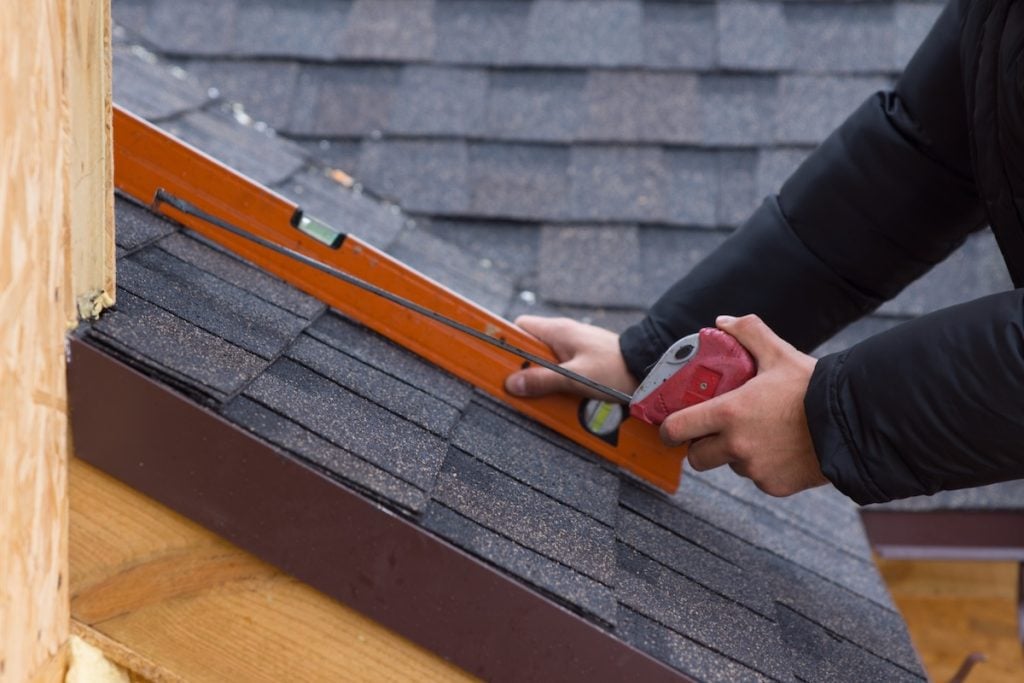
There are a few common ways to measure roof pitch. The most basic method is using a 12-inch level and a tape measure. Place the level horizontally, measure straight up from the 12-inch mark to the roof surface, and that number is your pitch. If the rise is 4 inches over 12 inches of run, the roof pitch is 4:12.
Roofers may also measure pitch from inside the attic, from the roof surface, or by using digital tools and aerial measurement software. For homeowners, the most important thing is getting an accurate measurement before choosing materials. Even a small difference in pitch can determine whether shingles, tile, or low-slope membrane systems are allowed.
Roof Pitch Calculator
If you want a quick way to estimate your slope, use a roof pitch calculator to convert rise and run into a pitch ratio or angle.
Enter the rise and run of your roof to estimate pitch before comparing material requirements below. This is helpful for homeowners deciding between shingles, metal, tile, or flat-roof systems.
Minimum Roof Pitch by Material
Each roofing material has a minimum slope requirement for a reason: water has to move off the roof fast enough to prevent intrusion below the surface. Some materials can perform on lower slopes with special underlayment or seaming methods, while others need a steeper pitch to work correctly.
Asphalt Shingles
Asphalt shingles can sometimes be installed on a 2:12 pitch, but that is the low end of what is allowed. On roofs between 2:12 and 4:12, extra underlayment protection is usually required because water drains more slowly and wind-driven rain is more likely to work beneath the shingles.
In most cases, asphalt shingles perform best on roofs with a pitch of 4:12 or steeper. That gives the roof better drainage, longer material life, and fewer leak concerns over time.
If you’re comparing shingle options, see our guide to the different types of roof shingles
Metal Roofing
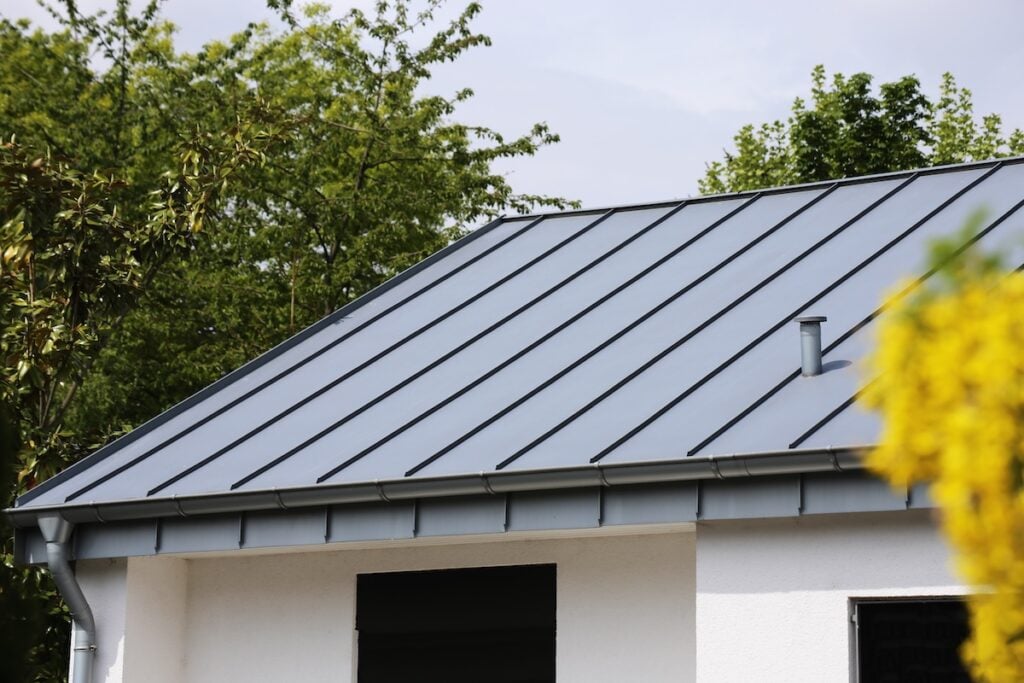
For most residential applications, metal roofing is safest to explain as requiring a 3:12 minimum pitch, especially for standard panel systems. Some engineered standing-seam products can be installed on lower slopes, but those systems depend on manufacturer specs, seam design, and installation method.
That’s why homeowners should not assume every metal roof works on a low slope. A standard exposed-fastener or basic panel profile may not perform the same way as a mechanically seamed system designed specifically for lower pitches.
EPDM or TPO (Single-Ply Membranes)
If your roof pitch is very low, a membrane system such as TPO or EPDM is often a better choice than shingles or tile. These materials are made for low-slope conditions and rely on sealed seams and continuous waterproofing instead of overlapping water-shedding pieces.
Clay or Concrete Tile: Minimum 4:12
Tile roofs generally need a 4:12 minimum pitch. Tile is durable and attractive, but it is not the right fit for very low-slope roofs. On a shallow pitch, water can move more slowly and become more likely to work beneath the tile assembly.
On lower-slope homes, tile often becomes a more expensive option because of the added waterproofing details needed underneath the tile. In simple terms: the lower the pitch, the more expensive the waterproofing.
Tile Roofing
Clay or concrete tiles require a steeper slope to function correctly. The minimum roof pitch is 4:12, and some manufacturers recommend even steeper slopes depending on wind and water exposure. Lower pitches can lead to water infiltration under the tiles, which is especially risky without proper waterproofing.
Wood Shakes and Shingles
Wood roofing materials usually need at least a 4:12 pitch to shed water effectively. Because wood is more vulnerable to moisture retention than metal or membrane systems, steeper slopes help it dry faster and last longer.
Minimum Roof Pitch Chart by Material
| Roofing Material | Minimum Pitch | Better / Preferred Pitch | Notes |
|---|---|---|---|
| Asphalt shingles | 2:12 | 4:12+ | At 2:12 to under 4:12, extra underlayment is typically required |
| Metal roofing | 3:12 | 4:12+ | Some specialized mechanically seamed systems can go lower, depending on product specs |
| Clay or concrete tile | 4:12 | 5:12+ | Lower slopes usually require more extensive waterproofing |
| Wood shakes / wood shingles | 4:12 | 5:12+ | Steeper roofs perform better and dry faster |
| TPO / EPDM membrane | Low slope / near-flat | N/A | Designed for low-slope applications |
North Carolina and Mecklenburg County Roof Pitch Code Notes
In the Charlotte area, roofing work is permitted and inspected through Mecklenburg County Code Enforcement, which applies the North Carolina Building Code for residential work. Mecklenburg County states that it handles permitting, plan review, and inspections for building work across the county, and its inspections are performed to approved plans and the N.C. Building Code.
For homeowners, that means roof pitch decisions are not just design preferences. They affect whether a roofing system meets code and what installation details are required. The North Carolina Residential Code places roof assembly requirements in Chapter 9, and code references commonly cited for these minimums include asphalt shingles at 2:12 minimum with additional underlayment required below 4:12.
A practical Charlotte-area takeaway is this:
- Asphalt shingles: generally 2:12 minimum, with extra protection needed on lower slopes
- Metal roofing: often 3:12 for standard systems unless a manufacturer-approved low-slope panel is used
- Tile roofing: generally 4:12 minimum
- Low-slope sections: usually need a membrane system instead of shingles or tile
Because local permitting and product approvals can affect what is allowed, homeowners in Mecklenburg County should confirm both code compliance and manufacturer requirements before installation. A licensed Charlotte roofing contractor handles that confirmation as part of the project. Mecklenburg County’s permitting portal and code enforcement team are the local authority for that process.
5 Signs Your Roof Pitch May Be Too Low
A roof that is too low for its material usually shows warning signs early. Watch for these issues:
- Recurring repair issues in the same area: If the same section keeps failing, the problem may be the roof slope itself rather than the repair quality.ice dams.
- Frequent ponding or standing water: Water should move off the roof. If it sits for long periods, the system may be too flat for the material or have poor drainage design.
- Leaks during ordinary rain: Low-slope roofs are more vulnerable to water intrusion, especially around penetrations, flashing, and transitions.
- Premature wear of shingles or underlayment: Shingles on shallow slopes tend to age faster because they stay wet longer and shed water less efficiently.
- Staining in the attic or on ceilings: Slow leaks are common when a material is installed below its recommended pitch.
Benefits and Challenges of Low-Slope Roofs
Low-slope roofs can work very well when the right materials are used. They are common on additions, porches, and modern home designs, but they need more attention to drainage and waterproofing than steeper roofs.
Benefits of Low-Slope Roofs
- lower-profile modern appearance
- easier access for inspection and service
- good fit for membrane systems and some specialty metal systems
- often useful for additions where tying into the main roof is difficult
Challenges of Low-Slope Roofs
- water drains more slowly
- material options are more limited
- poor product selection leads to leaks faster
- underlayment, flashing, and waterproofing become more critical
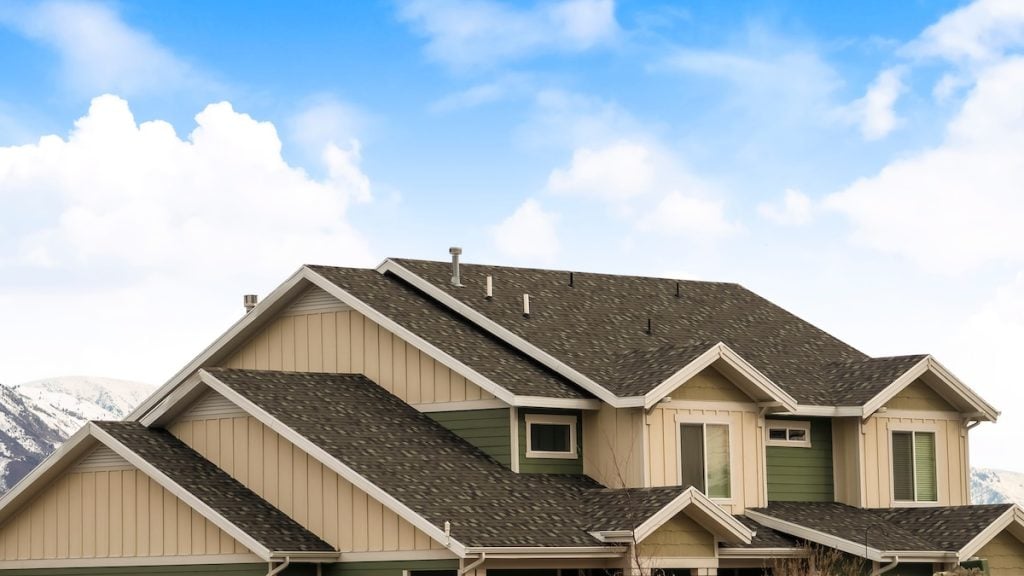
Choosing the Right Pitch for Your Home
The best roof pitch depends on your home design, your preferred material, and your local weather. In North Carolina, homeowners often need to balance curb appeal with storm performance and drainage.
A good rule of thumb:
- choose 4:12 or steeper when possible for asphalt shingles
- use tile only when the roof is steep enough and the structure can support the added weight
- consider metal roofing when you want long lifespan and cleaner lines
- use a membrane system on additions or roof sections that are too low for shingles or tile
If you’re not sure what material fits your slope, compare your options with our article on flat roof materials or learn more about types of roof shingles before committing.
Trust Roof Medic To Help You Choose the Right Pitch
The minimum roof pitch isn’t just a number—it’s a critical factor in how well your roof performs over time. Choosing the right pitch helps prevent leaks, improve curb appeal, and ensure your roof is compatible with the materials you love. Whether you’re building a new home or replacing your current roof, Roof Medic is here to help you make the right call.
Need expert guidance on roof pitch and material selection? Contact Roof Medic today to schedule a consultation and get a roof designed to protect your home for decades.
Last Updated: March 2026.