704.228.7788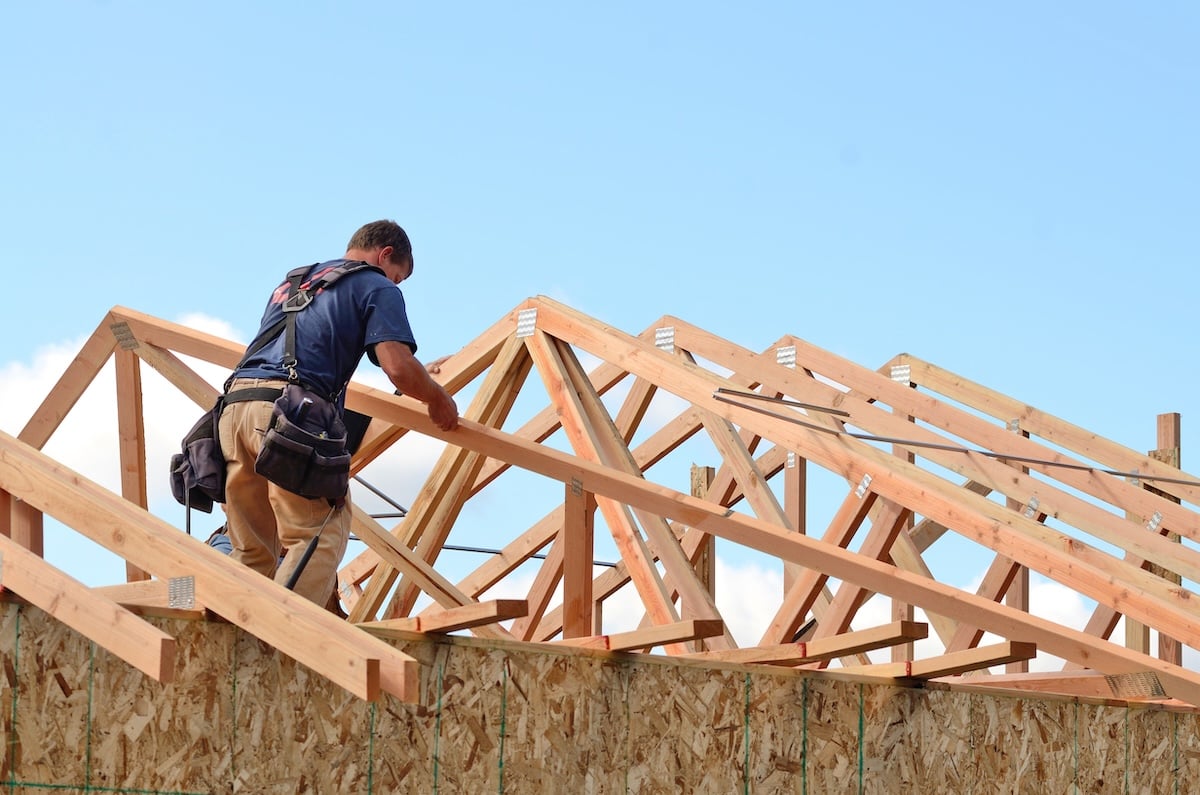
 05/29/2025
 5 minutes Read
If you’re planning a new roof build or replacement, understanding the rafters vs trusses comparison is essential. These two structural systems both support your roof, but they differ in construction style, cost, attic usability, and installation speed. Knowing which one suits your home can help you make the most informed, cost-effective decision.
In this blog, we’ll walk you through:
- Construction basics: What rafters and trusses are and how they work
- Pros and cons: Benefits and limitations of each system
- 7 key differences: A side-by-side breakdown to guide your decision
🤔 What Are Rafters?

Traditional Stick Framing
Rafters are long, angled wooden beams cut and assembled on-site to form the roof’s frame. Often referred to as “stick framing,” this method has been used for centuries and remains popular in custom-built homes.
What Makes Rafters Appealing
- Open attic space: No interior webbing makes future attic use easier.
- Custom-friendly: Ideal for vaulted ceilings, unique rooflines, or exposed-beam aesthetics.
- On-site flexibility: Framing can be modified during construction to meet architectural changes.
⭐️ What Are Trusses?
Pre-Built Triangular Frameworks
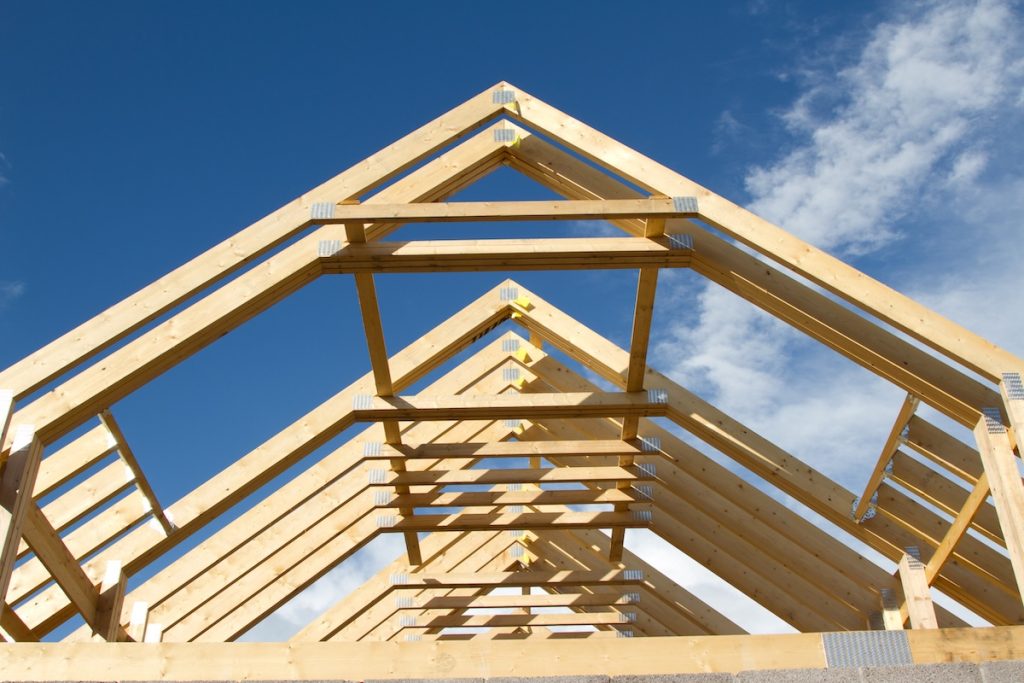
Trusses are engineered wood structures built off-site and delivered as pre-assembled units. They consist of triangular shapes that provide strength and distribute weight evenly across the structure.
Why Homeowners Choose Trusses
- Faster installation: Delivered ready to place, which shortens project timelines.
- Cost-effective: Reduces on-site labor and material waste.
- Reliable performance: Built with precision and consistent strength standards.
✅ Pros and Cons of Rafters
Advantages of Rafters
- Design flexibility: Easier to customize for complex or non-standard roof layouts.
- More usable attic space: Lack of bracing makes rafters ideal for future attic conversions or storage.
- Compatible with vaulted ceilings: Perfect for homeowners who want elevated interior spaces.
Disadvantages of Rafters
- Labor intensive: Requires more time and skilled craftsmanship to frame manually.
- Higher cost: Increased labor and longer build time typically lead to a more expensive project.
- Less commonly used: Many contractors favor trusses in standard residential builds.
💪 Pros and Cons of Trusses
Advantages of Trusses
- Speed: Trusses can be installed in a day, making them ideal for projects with tight deadlines.
- Lower cost: Engineered systems streamline labor and reduce framing expenses.
- Engineered consistency: Factory-built trusses minimize the risk of construction errors.
Disadvantages of Trusses
- Limited attic access: Internal webbing reduces usable space inside the roof cavity.
- Restricted ceiling options: Trusses limit the ability to create vaulted or cathedral ceilings.
- Difficult to modify: Changes after installation are costly and require engineering approval.

👉 7 Key Differences Between Rafters and Trusses
- Installation method: Rafters are built on-site using hand-cut lumber, while trusses are pre-fabricated off-site and delivered ready to install.
- Labor and time: Rafter installation takes longer and requires experienced carpenters. Trusses install much faster and require fewer workers.
- Cost: Rafters are more expensive due to higher labor costs and slower build time. Trusses offer better value for most homeowners.
- Design flexibility: Rafters are ideal for custom builds, vaulted ceilings, or homes with irregular rooflines. Trusses work best for standard roof layouts.
- Attic usability: Rafters provide open attic space suitable for storage or future living space. Trusses contain bracing that limits access.
- Structural strength: Trusses are engineered to handle long spans and distribute loads evenly. Rafters require additional support in larger structures.
- Remodeling potential: Rafters are easier to modify during renovations. Trusses typically require structural re-engineering for any changes.
🤔 When to Choose Rafters
Best Fit for Custom Homes
Rafters are a smart choice when your roofing needs go beyond the standard. If you want a vaulted ceiling, plan to finish your attic later, or prefer visible wood framing for aesthetic reasons, rafters give you the freedom to create a unique home design.
- Custom builds: Ideal for intricate or asymmetrical rooflines.
- Interior space: Great for open attics or future living space.
- Architectural flexibility: Easily supports design changes on-site.
👍 When to Choose Trusses
Best Fit for Standard Roof Builds
Trusses are best suited for straightforward roofing projects where speed, cost, and strength are top priorities. For most modern homes, trusses offer the best mix of durability and affordability.
- Quick timelines: Perfect for projects on a tight schedule.
- Budget-conscious builds: Reduces material waste and labor costs.
- Strong support: Designed to handle high wind or snow loads effectively.
❓ FAQs About Rafters vs Trusses
Do trusses last as long as rafters?
- Yes: Both can last several decades with proper installation and maintenance.
Can I add attic space if my roof uses trusses?
- Not easily: The internal webbing reduces usable space, and modifying a truss system often requires engineering approval.
Are rafters stronger than trusses?
- Not necessarily: Trusses are engineered for uniform load distribution and can span longer distances. Rafters may require support beams or additional framing for large spans.
🤝 Make the Right Choice for Your Roof
Understanding the differences between rafters vs trusses can help you choose the right framing system based on your home design, budget, and long-term goals. Rafters offer customization and attic space, while trusses provide speed, savings, and engineered strength.
Whichever path you choose, the most important factor is working with a team that understands the structural needs of your roof and delivers top-quality results every time.
Reach out to Roof Medic today! If you’re planning roof replacement, we’re here to help you make a confident, informed decision that protects your home for decades to come.