704.228.7788
 12/11/2025
 6 minutes Read
A PVC membrane roof offers a combination of energy efficiency, weather resistance, and long-lasting protection that makes it a popular choice for commercial buildings. Known for its flexibility and strong seams, PVC (polyvinyl chloride) roofing performs exceptionally well on flat and low-slope structures. Still, like any roofing material, it comes with both advantages and potential drawbacks that property owners should understand before investing.
For business owners in Huntersville and surrounding areas, selecting the right roofing system is a critical decision that affects long-term maintenance, operating costs, and overall building performance. Evaluating the pros and cons of PVC roofing can help ensure your investment meets both your budget and performance expectations.
- Superior waterproofing: Heat-welded seams create a watertight barrier that prevents leaks and moisture infiltration.
- Energy savings: Reflective surfaces reduce rooftop heat absorption and help lower cooling costs.
- Durable protection: PVC membranes resist chemicals, punctures, and UV exposure, making them ideal for demanding environments.
What Is a PVC Membrane Roof?
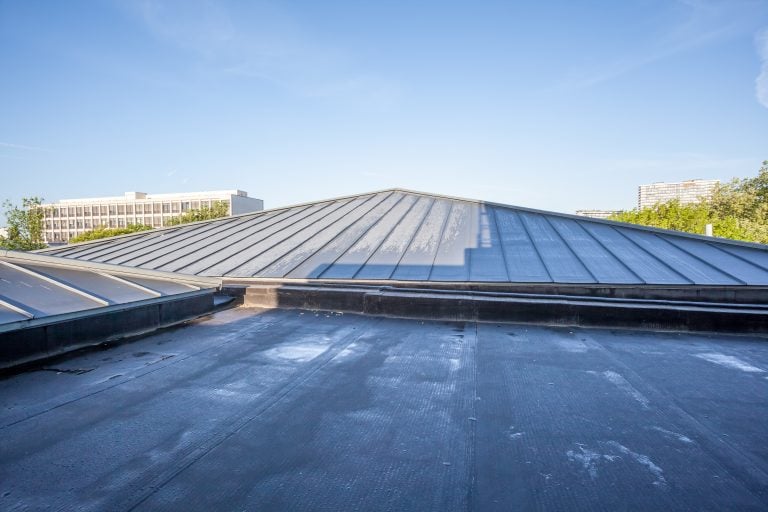
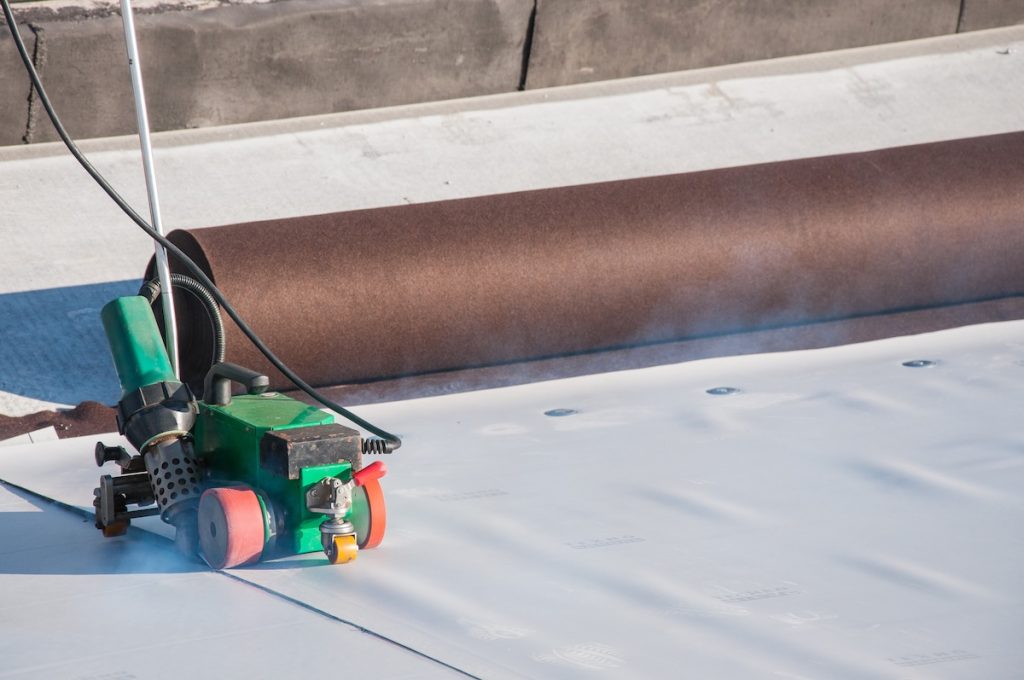
A PVC membrane roof is a single-ply roofing system made from layers of thermoplastic material reinforced with polyester or fiberglass. It’s typically heat-welded at the seams, creating a watertight barrier that resists moisture infiltration and chemical damage.
Common Applications
PVC membranes are ideal for commercial, industrial, and institutional buildings where durability and low maintenance are priorities.
- Flat and low-slope roofs: Perfect for warehouses, retail buildings, and offices.
- Energy-efficient facilities: Reflective surfaces help reduce cooling costs.
- Chemical-resistant environments: Performs well on buildings with rooftop exhaust or grease exposure.
PVC’s combination of versatility and performance makes it one of the most reliable commercial roofing materials available today.
8 PVC Membrane Roof Pros and Cons to Consider
Like any commercial roofing system, a PVC membrane roof offers several clear benefits along with a few considerations that property owners should evaluate. Understanding both sides helps you choose the best solution for your building’s needs.
1. Pro: Exceptional Waterproofing Performance
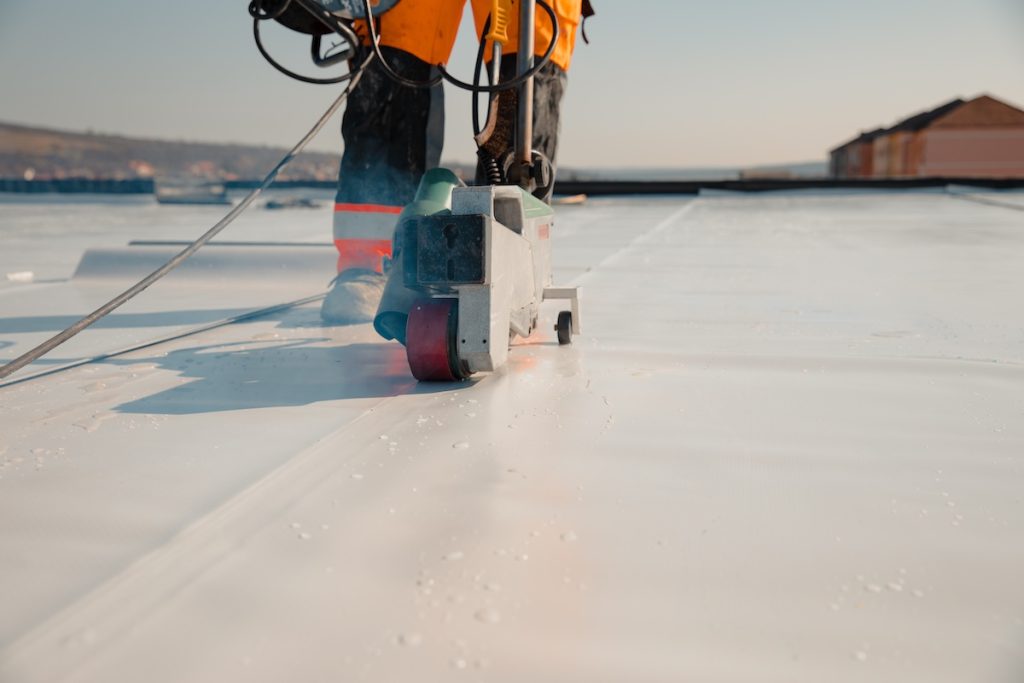
PVC roofing systems are designed for superior watertight protection. The membrane is heat-welded at the seams, creating a continuous, leak-resistant barrier that outperforms adhesive-based systems.
- Seam strength: Welded joints are as strong as the membrane itself.
- Ponding resistance: Excellent performance even in areas with standing water.
- Weather durability: Resists high winds and heavy rainfall common in Huntersville and surrounding areas.
This makes PVC roofing one of the most dependable choices for long-term waterproofing on flat or low-slope commercial buildings.
2. Pro: Energy Efficiency
PVC membranes are highly reflective, helping to reduce heat absorption and lower cooling costs during hot weather.
- Cool roof benefits: Reflects up to 80% of sunlight.
- Lower energy bills: Keeps interior spaces cooler without overworking HVAC systems.
- Sustainability: Meets ENERGY STAR® and LEED® requirements for energy-efficient construction.
For commercial buildings with large roof areas, this can result in significant annual energy savings.
3. Pro: Chemical and Fire Resistance
One of PVC’s greatest advantages is its resistance to chemicals, grease, and fire. This makes it a preferred option for commercial kitchens, factories, and manufacturing facilities.
- Chemical protection: Resistant to oil, grease, and industrial pollutants.
- Fire performance: Self-extinguishing properties help prevent flame spread.
- Ideal for restaurants and labs: Withstands harsh rooftop exhaust and ventilation systems.
PVC’s resilience makes it one of the most durable materials for demanding environments.
4. Pro: Long Lifespan and Low Maintenance
PVC roofs can last 20–30 years or longer when properly maintained, often requiring less upkeep than other flat roofing systems.
- Minimal repairs: Welded seams reduce the likelihood of leaks.
- Easy inspection: Smooth surfaces make damage easier to detect and address quickly.
- Consistent performance: Maintains flexibility and strength even after years of UV exposure.
For commercial property owners, this translates to reduced maintenance costs and long-term reliability.
5. Con: Higher Upfront Cost
The biggest drawback of PVC roofing is its initial installation cost.
- Material expense: PVC is typically more expensive than TPO or EPDM systems.
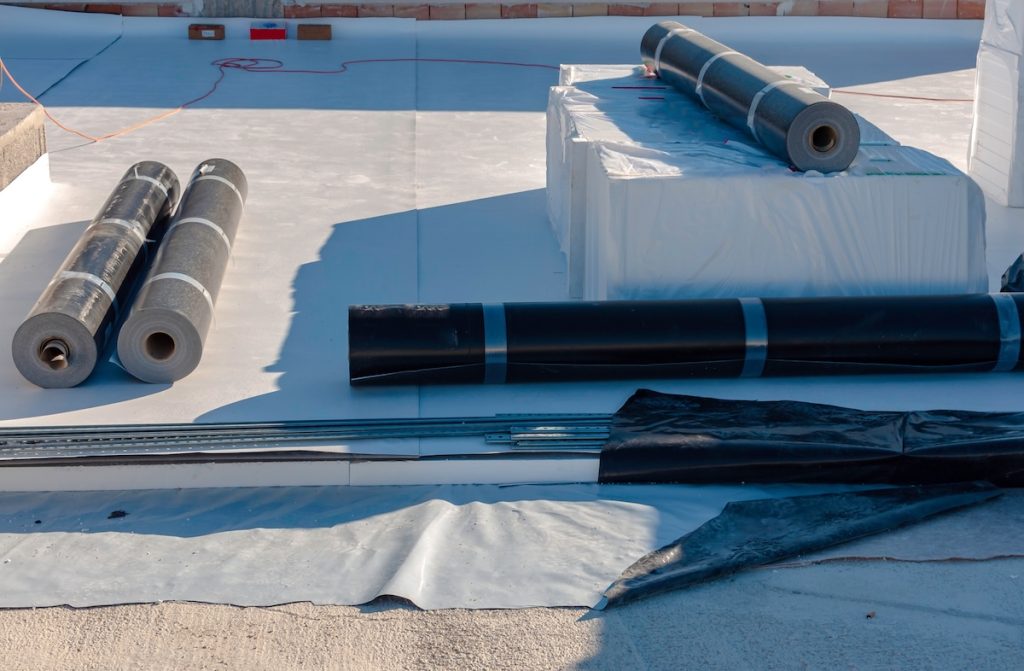
- Specialized labor: Requires skilled technicians for proper seam welding.
- Installation equipment: Heat-welding tools and setup add to labor costs.
While the investment is higher, the long-term durability and energy savings often offset the initial price over the roof’s lifespan.
6. Con: Potential Shrinkage Over Time
Like all thermoplastic materials, PVC can shrink slightly as it ages. Without proper installation and maintenance, this may lead to stress on seams or flashings.
- Edge stress: Shrinkage can pull at seams or penetrations.
- Preventive maintenance: Regular inspections help catch early signs of movement.
- Reinforcement solutions: Installing perimeter anchors minimizes stress points.
Partnering with an experienced contractor ensures your roof is properly installed and reinforced to handle long-term movement.
7. Con: Performance in Extreme Cold
PVC can become less flexible in very cold temperatures, which may make it more prone to cracking under impact if not properly maintained.
- Cold-weather installation: Requires skilled installers familiar with low-temperature welding.
- Added insulation: Helps regulate rooftop temperatures.
- Regular inspection: Detects brittle spots before they develop into larger issues.
While this is less of a concern in climates like Huntersville and surrounding areas, it’s still worth monitoring during seasonal cold snaps.
8. Con: Compatibility With Certain Roof Materials
PVC membranes should not be installed directly over asphalt-based materials, as chemical reactions can degrade the membrane over time.
- Separation layer: Always use a compatible insulation or slip sheet as a barrier.
- Professional evaluation: Contractors can determine if your existing roof can support a PVC overlay.
- Manufacturer guidelines: Following installation standards ensures long-term performance.
Consulting with a roofing expert helps avoid compatibility issues and ensures your roof system remains under warranty protection.
Long-Term Value of PVC Roofing
Despite a few limitations, a PVC membrane roof delivers impressive long-term value for commercial properties. The combination of low maintenance, energy efficiency, and durability makes it one of the most cost-effective systems over its lifespan.
- Lower lifecycle cost: Reduced energy and repair expenses over 20+ years.
- Strong ROI: Often recoups initial investment through operational savings.
- Sustainability: Many PVC systems are recyclable at end-of-life.
For building owners in Huntersville and surrounding areas, the performance and resilience of PVC roofing make it an excellent long-term choice.
A Reliable Choice for Commercial Roof Protection
A PVC membrane roof offers durability, efficiency, and proven performance for commercial and industrial properties. Understanding both its advantages and limitations helps ensure you choose a system that aligns with your building’s needs and budget. With proper installation and routine maintenance, PVC roofing provides dependable protection season after season.
Roof Medic proudly helps commercial property owners in Huntersville and surrounding areas make informed decisions about their roofing investments. Whether you’re planning a new installation or evaluating a replacement, expert guidance ensures your business stays protected and efficient year-round.
Reach out to Roof Medic today for expert guidance on PVC roofing solutions for your commercial property.