704.228.7788
 704.228.7788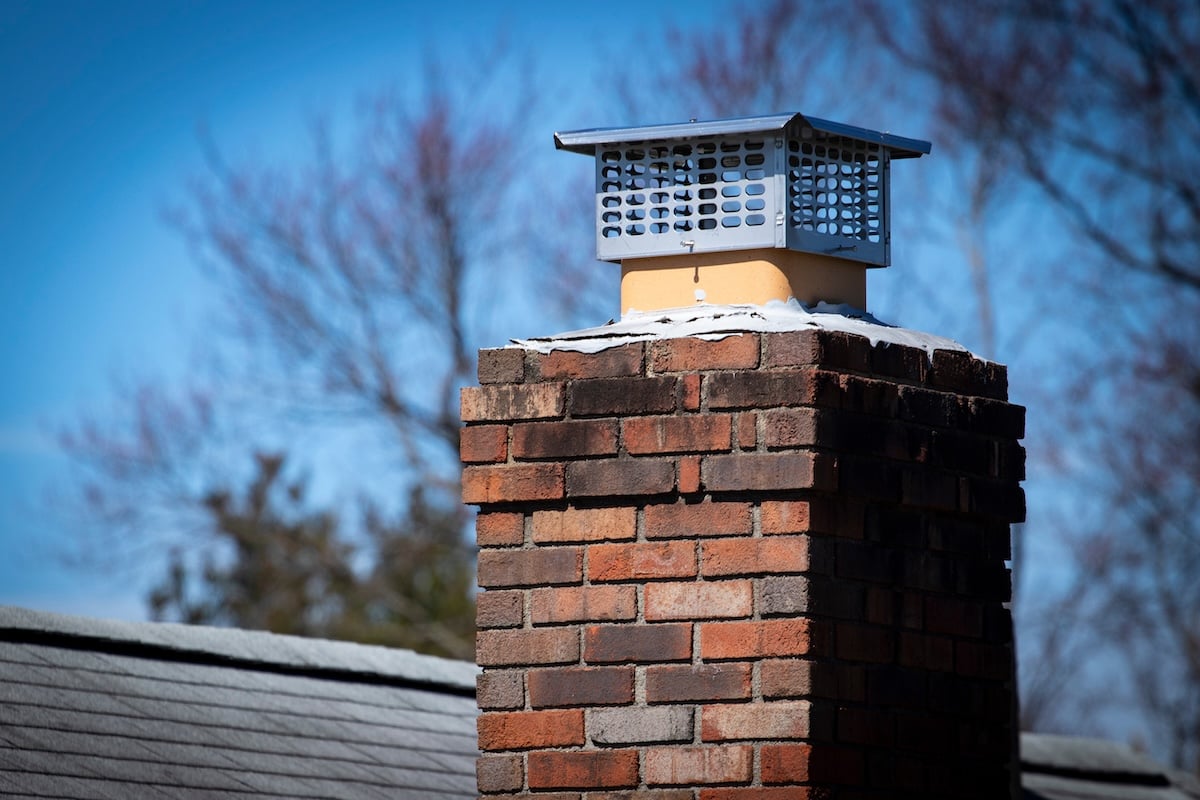
 10/09/2025
 10 minutes Read
A chimney rain cap is one of the smallest, cheapest parts of your roof system, and one of the most important. That little metal cover at the top of your chimney keeps rain, animals, and debris out of the flue, and without it, water works its way straight into your chimney and down toward your attic and ceilings. For homeowners in Raleigh and surrounding areas, where humid summers and frequent storms push moisture into every opening, a quality chimney rain cap is cheap insurance that helps protect your roof against expensive water damage. This guide covers the types, the 2026 costs, and exactly why you need one on your chimney.
Here’s what you’ll learn in this guide:
- Why a chimney rain cap matters: What happens to your roof and home without one.
- The types and materials: Single-flue, multi-flue, and which metal lasts in NC’s climate.
- 2026 costs: What you’ll actually pay to install or replace one.
Why You Need a Chimney Rain Cap
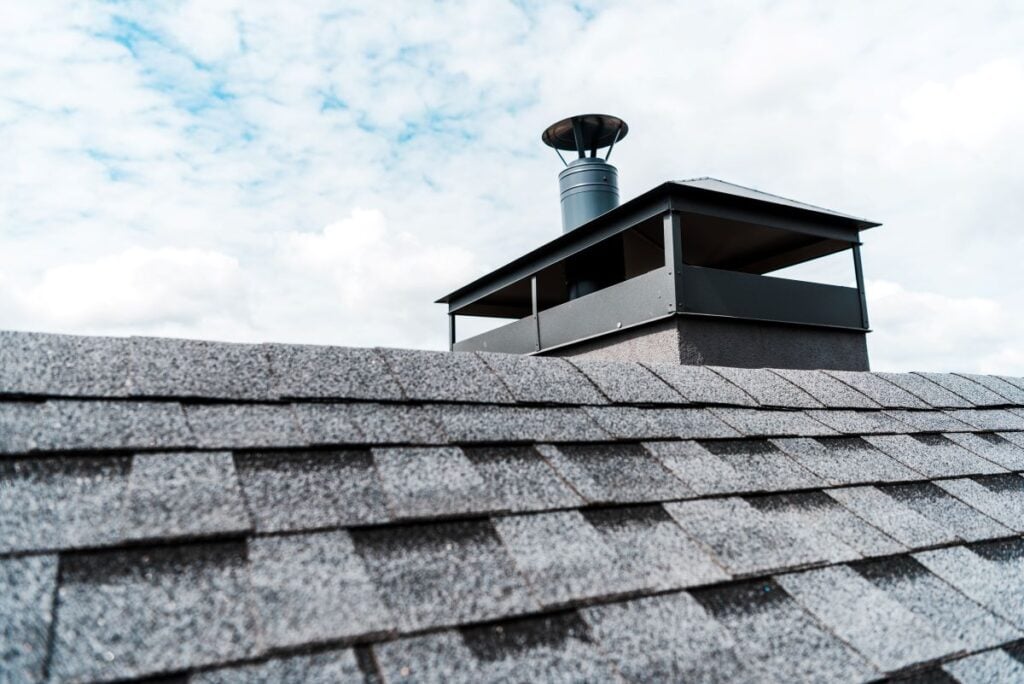
A chimney rain cap sits over the flue opening at the top of your chimney and blocks everything that shouldn’t get in. Without one, your chimney is an open pipe running straight into your home, and in Raleigh’s climate that’s a problem waiting to happen.
What Happens Without a Cap
An uncapped chimney lets water, animals, and debris straight into the flue, and the damage adds up fast. Once water gets into the chimney, it doesn’t stay there. It works its way into the masonry, the liner, and eventually toward your roof and interior.
- Water intrusion: Rain pours directly into the flue, rusting metal parts and cracking the liner.
- Animal entry: Birds, squirrels, and raccoons nest in open chimneys.
- Debris clogs: Leaves and twigs block the flue, creating smoke and fire hazards.
- Downdrafts: Wind pushes smoke and cold air back down into the house.
- Interior damage: Water reaching the attic or ceiling means costly repairs.
Why It Matters More in North Carolina
North Carolina’s humid climate and frequent storms make a chimney cap more important here than in drier regions. Summer downpours and hurricane remnants drive water into every roof opening, and constant humidity corrodes unprotected metal fast. A cap keeps that moisture out of the one opening most homeowners forget about.
- Heavy rain: Charlotte-area storms drive water straight into open flues.
- High humidity: NC humidity rusts galvanized and unprotected metal quickly.
- Storm debris: Wind carries leaves and branches onto and into open chimneys.
- Freeze-thaw: Trapped water freezes and cracks masonry in winter.
- Animal pressure: Warm chimneys attract nesting wildlife year-round.
6 Benefits of a Chimney Rain Cap
If your chimney has no cap or an old, failing one, here’s what a quality cap does for your home. These six benefits are why we recommend a cap on every chimney we inspect in Raleigh and surrounding areas.
1. Prevents Water Damage
Water is the number one enemy of a chimney, and a rain cap is the first line of defense. Rain entering an open flue rusts the damper, cracks the flue liner, and stains interior walls and ceilings. A cap blocks it at the top before it can cause thousands in damage.
- Why it matters: Water damage is the most common and costly chimney problem.
- Protects the liner: Keeps water from cracking the flue liner.
- Prevents rust: Shields the damper and metal components.
- Stops stains: Prevents water stains on interior walls and ceilings.
- Guards masonry: Reduces freeze-thaw cracking in the chimney structure.
2. Keeps Animals Out
Open chimneys are prime nesting spots for birds, squirrels, and raccoons. A cap with a screen keeps them out while still letting the chimney breathe. Animal nests block airflow, create fire hazards, and are a mess to remove.
- Why it matters: Animal nests are a fire and airflow hazard.
- Screen protection: Mesh keeps wildlife out while allowing ventilation.
- Prevents nesting: Blocks birds, squirrels, and raccoons from settling in.
- Avoids odors: Keeps dead animals and droppings out of the flue.
- Saves cleanup: No costly nest removal down the line.
3. Blocks Debris
Leaves, twigs, and windblown debris collect in an open flue and create blockages. A blocked chimney can’t vent properly, which leads to dangerous smoke buildup. A cap keeps the flue clear.
- Why it matters: Debris blockages cause dangerous smoke buildup.
- Keeps the flue clear: Blocks leaves, twigs, and windblown debris.
- Maintains airflow: A clear flue vents smoke safely.
- Reduces cleaning: Less debris means less frequent flue cleaning.
- Prevents clogs: Stops the blockages that trap smoke indoors.
4. Reduces Downdrafts
Strong winds can push smoke and cold air back down an open flue and into your living space. A properly designed cap minimizes downdrafts, keeping your home more comfortable and your fireplace drafting the right direction.
- Why it matters: Downdrafts push smoke and cold air into the home.
- Improves drafting: Helps the fireplace pull air the right way.
- Blocks wind: The cap design deflects gusts away from the flue.
- Boosts comfort: Keeps cold air from pouring down the chimney.
- Reduces smoke: Less chance of smoke backing up into the room.
5. Protects Against Sparks
Many chimney caps include a spark arrestor, a mesh screen that stops embers from escaping the flue and landing on your roof. This matters most with wood-burning fireplaces and on roofs with aging shingles or nearby debris.
- Why it matters: Escaping embers are a real roof fire risk.
- Spark arrestor: Mesh screen catches embers before they escape.
- Protects shingles: Keeps sparks off the roof surface.
- Wood-fire safety: Especially important for wood-burning fireplaces.
- Reduces fire risk: Lowers the chance of a roof or brush fire.
6. Improves Energy Efficiency
By blocking downdrafts and keeping the flue clear, a cap helps your home hold its conditioned air. Some caps include a top-mount damper that seals the flue when the fireplace isn’t in use, which can cut energy loss significantly.
- Why it matters: An open flue leaks conditioned air year-round.
- Reduces drafts: Blocks the airflow that wastes heating and cooling.
- Damper upgrade: Top-mount damper caps seal the flue when not in use.
- Energy savings: Damper caps can cut related energy loss noticeably.
- Year-round benefit: Helps in both heating and cooling seasons.
Types of Chimney Rain Caps
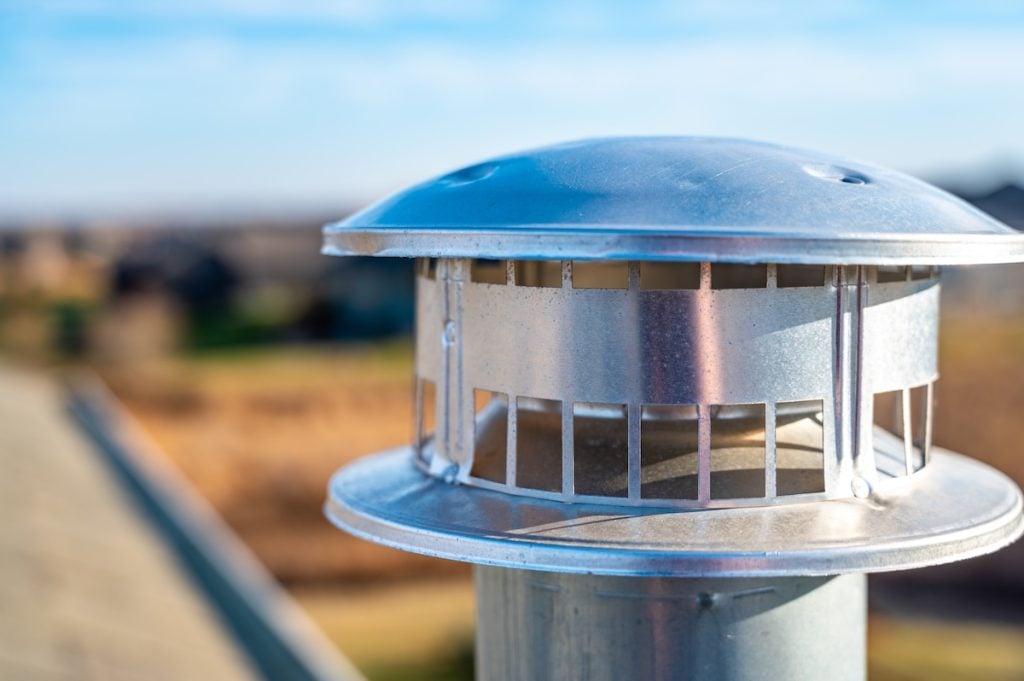
Not all chimney caps are the same. The right one depends on your chimney’s configuration and how many flues it has. Here are the main types.
Single-Flue Caps
Single-flue caps are the most common and most affordable. They mount directly onto or inside a single flue tile, and because they come in standard sizes, they’re quick to install. Most masonry chimneys with one flue take a stock single-flue cap.
- Best for: Chimneys with a single flue opening.
- Fit: Mounts onto or inside standard flue tile sizes like 13×13.
- Cost advantage: The most affordable and widely available type.
- Quick install: Stock sizes mean fast, straightforward installation.
- Material range: Available in galvanized, stainless, and copper.
Multi-Flue Caps
Multi-flue caps cover chimneys with two or more flues under a single custom cover. They’re built to the exact dimensions of your chimney crown, which makes them more expensive but necessary for multi-flue chimneys. These are custom-fabricated, usually in stainless steel.
- Best for: Chimneys with two or more flues.
- Custom-built: Fabricated to your exact chimney crown dimensions.
- Full coverage: A single cover plate protects the entire crown.
- Material: Typically stainless steel for durability.
- Higher cost: Custom fabrication makes these the priciest option.
Chase Covers
Chase covers are for prefabricated (factory-built) chimneys housed in a wood-framed chase. The chase cover is a metal top that fits over the entire chase with an opening for the cap. A failed chase cover is a common source of leaks on prefab chimneys.
- Best for: Prefabricated, factory-built chimneys in a framed chase.
- Full-top coverage: Covers the entire top of the chase.
- Leak prevention: A sound chase cover keeps water out of the framing.
- Material: Stainless steel resists the rust that plagues cheaper covers.
- Pairs with a cap: The cap mounts through the chase cover opening.
Chimney Rain Cap Materials
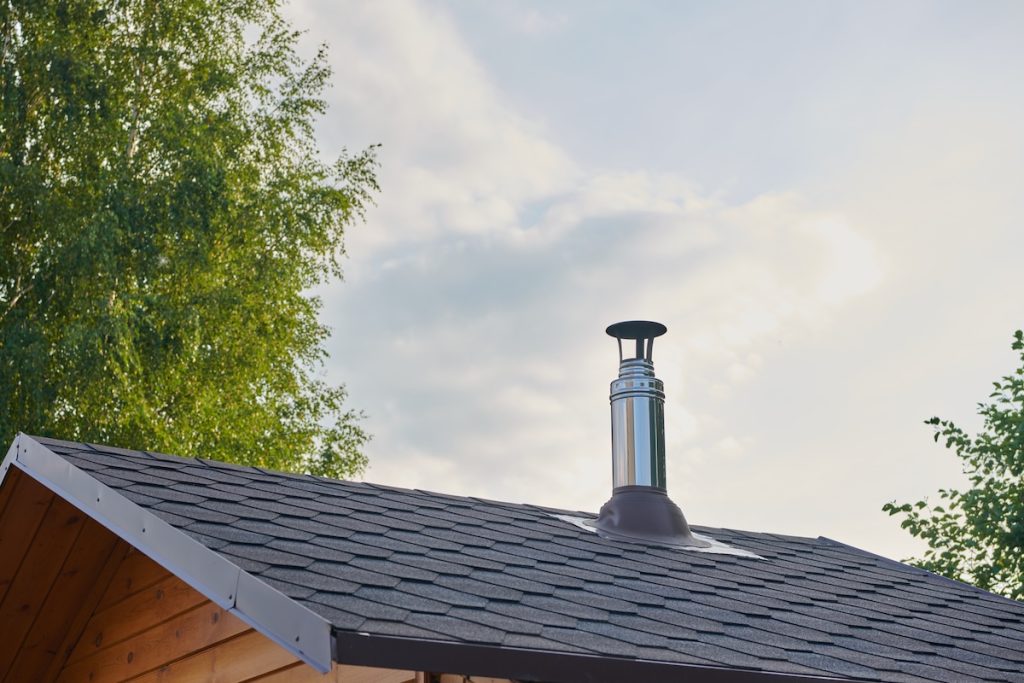
The material you choose affects how long the cap lasts and how it looks. In NC’s humidity, material choice matters more than most homeowners realize.
Comparing the Options
Galvanized steel is the cheapest but corrodes fast in humidity. Stainless steel is the best overall value for NC homes. Copper is the premium, decorative choice. Here’s how they stack up.
- Galvanized steel: Cheapest upfront, but corrodes quickly in NC humidity.
- Aluminum: Affordable and rust-resistant, but less durable than stainless.
- Stainless steel: Best value, corrosion-resistant, 20-plus year lifespan.
- Copper: Premium and decorative, develops a patina, most expensive.
- Concrete: Durable against impact but prone to freeze-thaw cracking.
Why Stainless Steel Wins in North Carolina
For most Raleigh-area homes, stainless steel is the clear choice. NC’s humidity corrodes galvanized steel fast, which means the cheapest cap often becomes the most expensive once you replace it in a few years. Stainless resists corrosion, lasts 20 years or more, and holds up to the storms and humidity the region throws at it.
- Corrosion resistance: Handles NC humidity without rusting out.
- Long lifespan: 20-plus years of reliable protection.
- Storm durability: Stands up to wind and driving rain.
- Best value: Higher upfront cost, lower lifetime cost than galvanized.
- Low maintenance: Minimal upkeep over its long life.
How Much a Chimney Rain Cap Costs in 2026
A chimney rain cap is an affordable upgrade, especially compared to the water damage it prevents. Here’s what to expect in 2026.
2026 Chimney Cap Pricing
Most homeowners pay between $200 and $850 to install a chimney cap in 2026, with a typical single-flue stainless steel cap running $250 to $500 installed. Multi-flue custom caps cost more because they’re fabricated to your chimney. According to Bob Vila, cap pricing varies widely by material, with copper commanding the highest prices for its durability and appearance.
- Typical range: $200 to $850 installed for most chimneys.
- Single-flue stainless: $250 to $500 installed, the most common job.
- Hard-access single-flue: Up to around $550 for difficult roofs.
- Multi-flue custom stainless: $1,500 to $2,500 or more, fabricated to size.
- Cap and damper combo: $250 to $600 for a top-mount damper cap upgrade.
What Drives the Price
Several factors move a chimney cap quote. Knowing them helps you understand your estimate and budget realistically.
- Number of flues: Single-flue caps are stock; multi-flue caps are custom and cost more.
- Material: Copper costs far more than galvanized or stainless.
- Roof access: Steep or multi-story roofs raise labor cost.
- Chimney condition: Repairs needed before installation add to the total.
- Cap features: Dampers, spark arrestors, and wind guards increase cost.
Signs Your Chimney Rain Cap Needs Replacement
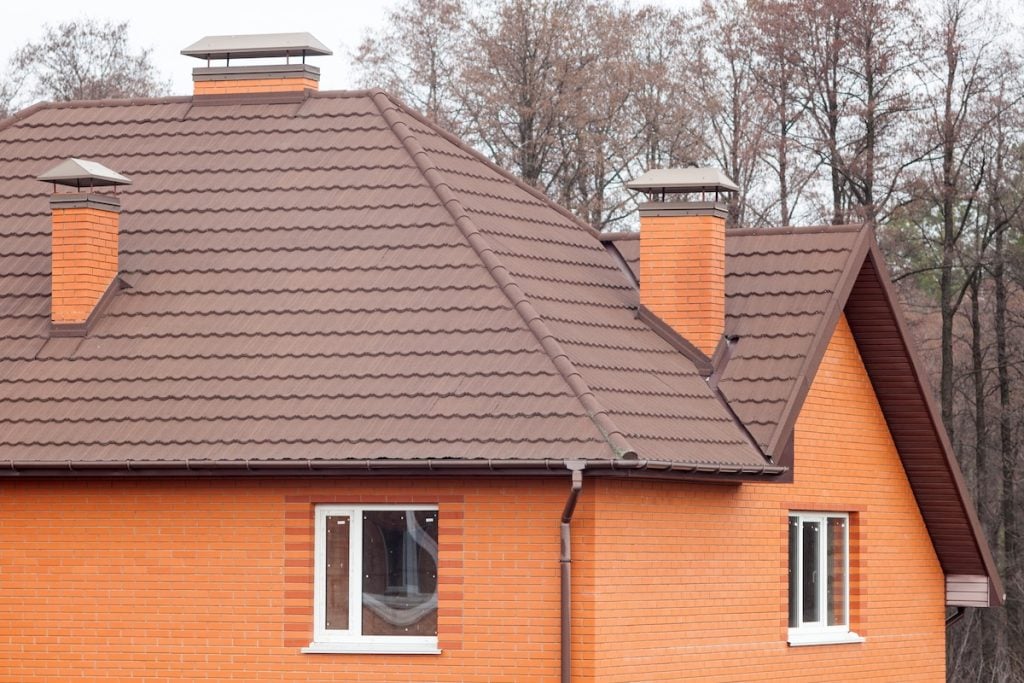
Even a good cap wears out. If you spot any of these signs, especially after a storm, it’s time for a replacement before water or animals get in.
What to Watch For
A failing cap stops doing its job long before it falls off. Catch these signs early during routine roof maintenance.
- Rust or corrosion: Weakens the cap and signals it’s past its life.
- Loose or missing screws: A poorly secured cap can blow off in high winds.
- Visible gaps: Openings let water, animals, and debris slip in.
- Storm damage: Fallen branches or hail can dent or dislodge the cap.
- Damaged screen: A torn spark-arrestor screen lets embers and animals through.
Keeping Your Chimney and Roof Protected
A chimney rain cap is a small investment that prevents some of the most expensive damage a roof can suffer. For a few hundred dollars, the right cap keeps water, animals, debris, and sparks out of your chimney and away from your roof and interior. In NC’s humid, storm-prone climate, stainless steel is almost always the right call, and professional installation ensures a snug fit that actually protects. As a GAF Master Elite Contractor and CertainTeed SELECT ShingleMaster in the top 3% of roofers nationwide, Roof Medic inspects the whole roof system, chimney caps included, and recommends only what your home actually needs. If your cap is rusted, loose, missing, or you’re not sure you have one, contact Roof Medic today for guidance and professional installation. We work with homeowners throughout Raleigh and surrounding areas and we’re happy to walk you through your options. Contractor License #79946.