704.228.7788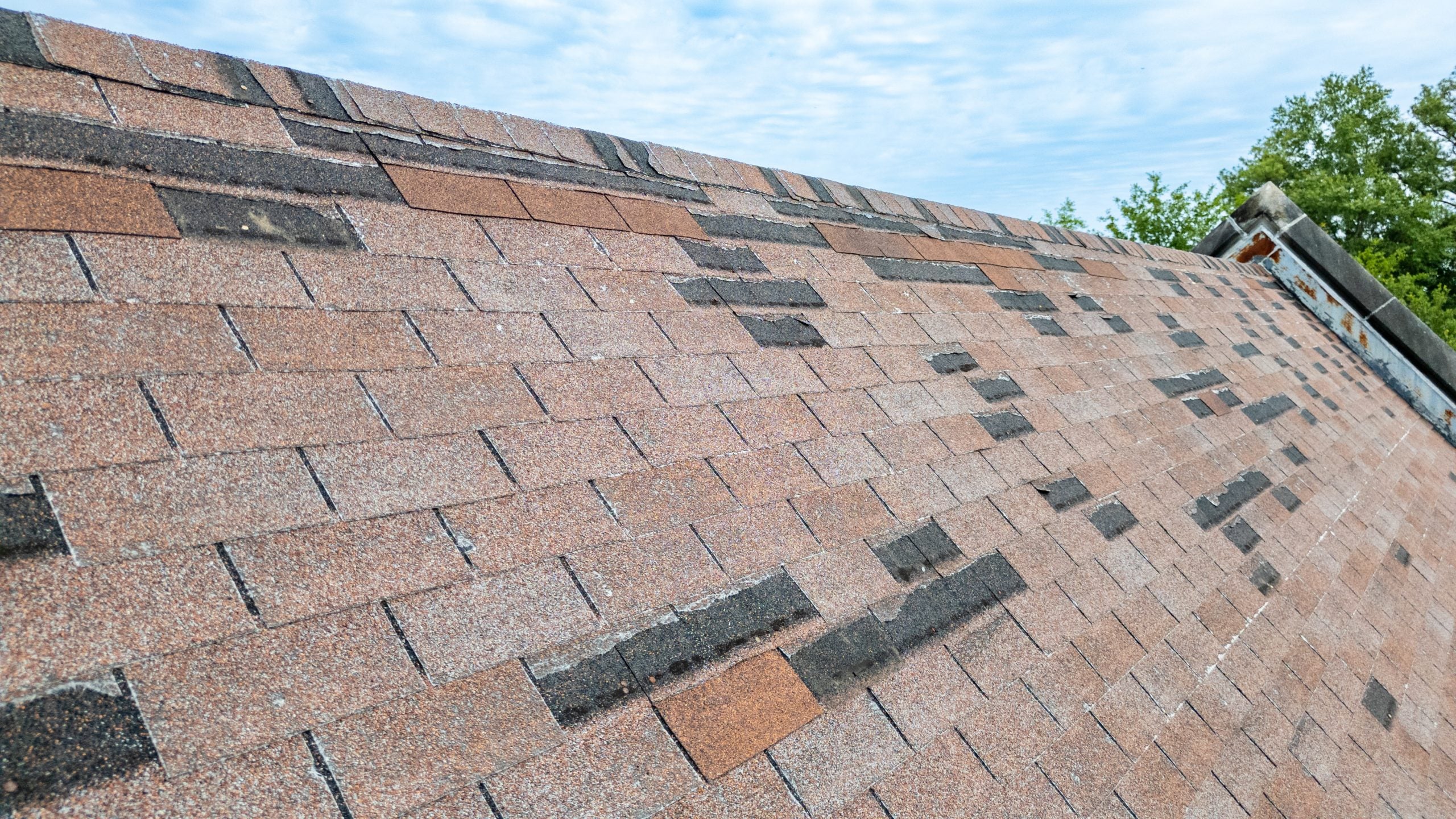
 01/13/2026
 5 minutes Read
Wind damage shingles are one of the most common problems homeowners face after severe storms. Strong gusts can lift, crease, or even tear shingles away entirely, leaving your roof vulnerable to leaks and further deterioration. Understanding the signs of wind damage and knowing how to prevent it can save homeowners from costly repairs and premature roof replacement.
For homeowners in Raleigh and surrounding areas, where high winds and seasonal storms are frequent, knowing how to inspect and maintain your roof after severe weather is essential. A proactive approach helps preserve your roof’s integrity and prevents small issues from escalating into larger, more expensive problems.
- Early detection: Identifying wind damage right away prevents leaks and interior water intrusion.
- Preventive care: Routine maintenance and inspections reduce long-term repair costs.
- Professional repair: Quick, expert service restores your roof’s strength and appearance.
Why Wind Damage Happens
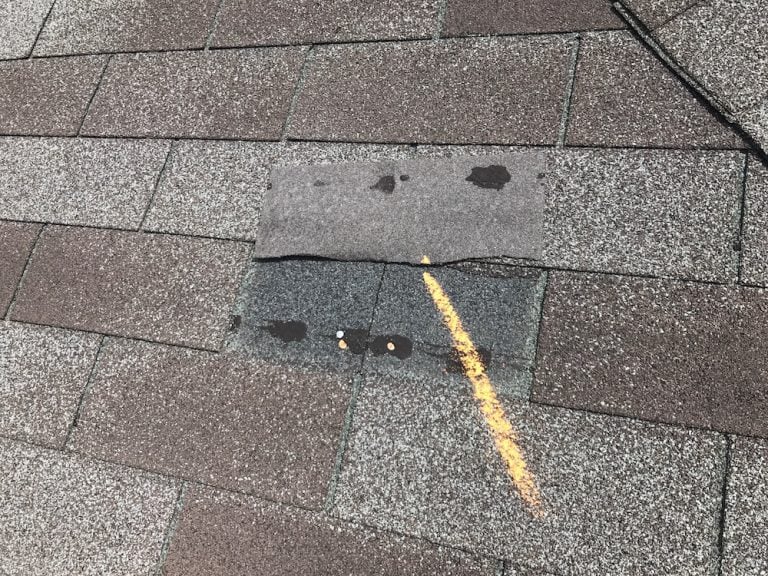
Strong winds affect shingles differently depending on their age, installation quality, and material type. Over time, the adhesive seal that holds shingles in place can weaken, allowing gusts to lift or dislodge them.
Common Causes of Wind Damage
- High wind speeds: Gusts over 45 mph can loosen or detach shingles.
- Aging roofs: Older shingles lose flexibility and adhesion over time.
- Improper installation: Inadequate nailing or poor alignment increases vulnerability.
- Roof design: Steep slopes and edges often experience the most wind pressure.
Regular inspections after storms can help detect subtle signs of damage before leaks develop.
5 Signs of Wind Damage on Shingles
When severe weather hits, knowing what to look for helps you determine if your roof may need professional attention. These five signs indicate possible wind damage that requires repair or inspection.
1. Missing or Lifted Shingles
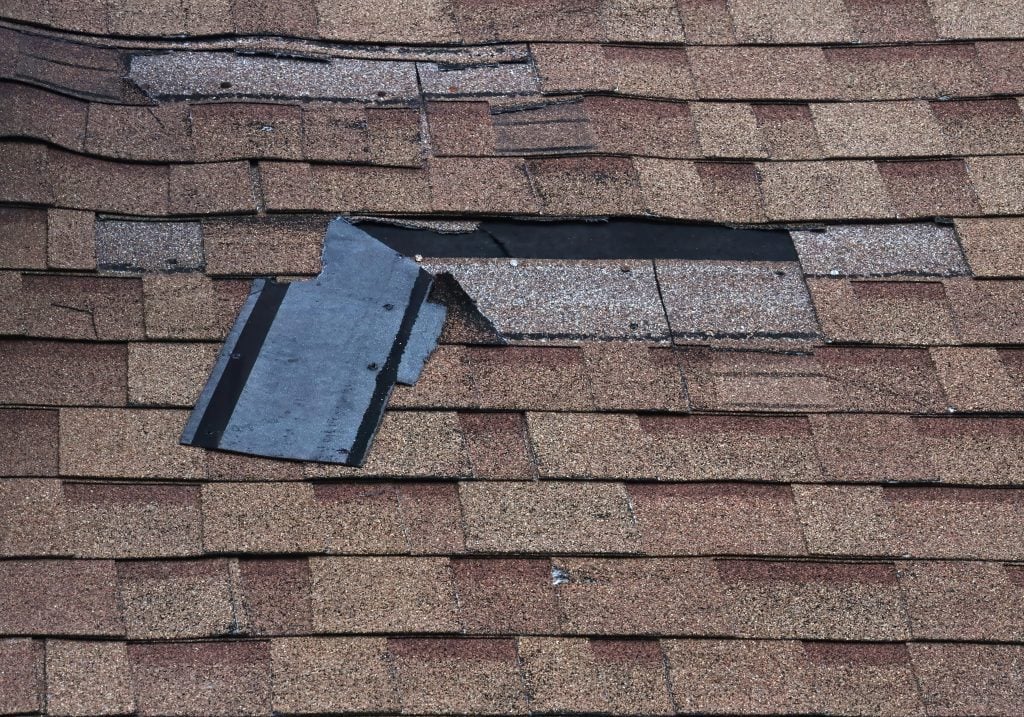
One of the most visible signs of wind damage is missing or raised shingles.
- Gaps or bare spots: Exposed areas leave the underlayment unprotected from moisture.
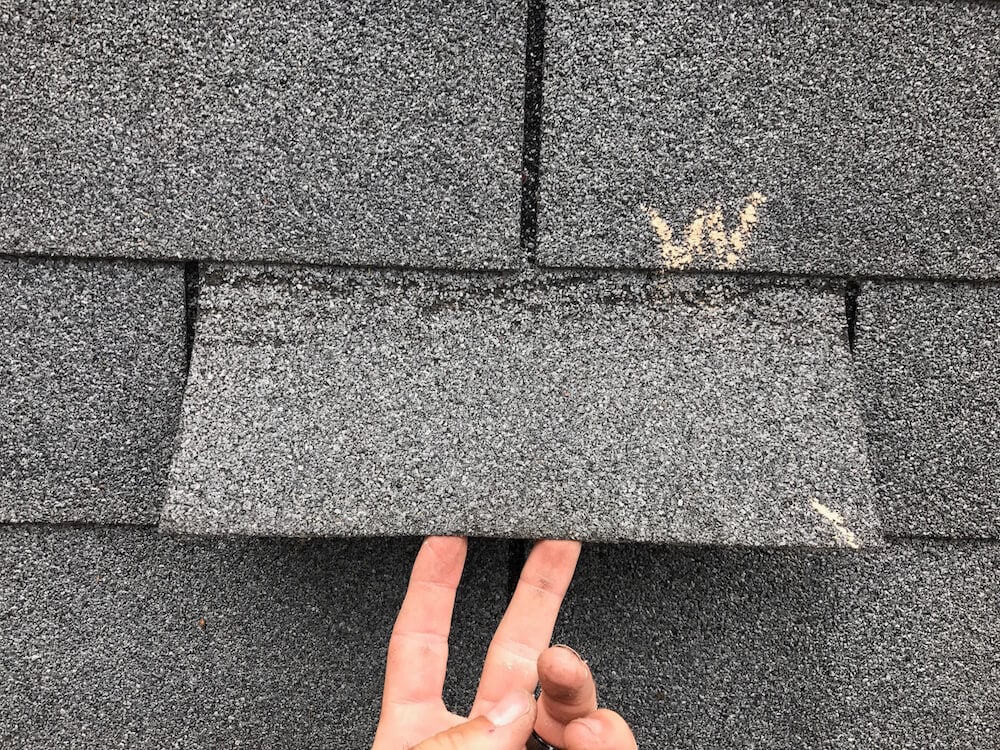
- Curling edges: Wind can lift shingles enough to break their adhesive seal.
- Loose materials: Lifted shingles flap in the wind, worsening the problem over time.
Addressing this issue early prevents leaks and keeps water from seeping beneath the roofing layers.
2. Creased or Bent Shingles
Even if shingles remain in place, creasing along their midline often signals wind damage.
- Flexing under pressure: Strong gusts cause shingles to bend and lose granules.
- Weakened structure: Creases compromise the shingle’s waterproof barrier.
- Future failure: Damaged shingles are more likely to break or detach in the next storm.
If you see visible creases or folds, a professional roof inspection is recommended.
3. Granule Loss
Wind-driven debris and shingle movement can strip protective granules from the roof’s surface.
- Discolored patches: Indicate areas where granules have been dislodged.
- Gutter accumulation: Finding granules in downspouts suggests storm damage.
- Premature aging: Granule loss accelerates UV deterioration of the underlying asphalt.
Granules are your shingles’ first line of defense — without them, the roof’s lifespan shortens dramatically.
4. Damaged Flashing or Roof Accessories
High winds often loosen or damage metal components that protect vulnerable areas of the roof.
- Loose flashing: Water can enter around chimneys, vents, or skylights.
- Bent metal: Dented flashing weakens the roof’s waterproof barrier.
- Detached accessories: Ridge caps and vents may shift or break under wind pressure.
Inspecting these areas after storms in Raleigh and surrounding areas helps prevent leaks and long-term structural issues.
5. Interior Water Spots or Leaks
When shingles or flashing fail, the first signs of damage often appear inside your home.
- Ceiling stains: Yellow or brown spots indicate water infiltration.
- Dripping or moisture: Active leaks usually follow a severe wind event.
- Mold growth: Persistent dampness in the attic can lead to health and structural risks.
If water spots appear after a storm, it’s a clear sign your roof’s protective layers have been compromised.
Preventing Wind Damage to Shingles
While it’s impossible to control the weather, homeowners can take several proactive steps to reduce wind-related damage.
Preventive Measures
- Schedule regular inspections: Have your roof checked annually and after major storms.
- Trim nearby trees: Remove overhanging branches that can strike the roof in high winds.
- Use high-quality materials: Class F-rated shingles and reinforced adhesives improve wind resistance.
- Maintain proper ventilation: Balanced airflow prevents uplift caused by pressure differences.
Proactive maintenance is one of the most effective ways to prevent storm damage and extend your roof’s life.
Repair Options After Wind Damage
When wind damage shingles are identified, timely repair is crucial to prevent further deterioration.
Professional Repair Process
- Comprehensive inspection: Roofing contractors identify damaged shingles and weak points.
- Shingle replacement: Missing or torn sections are replaced with matching materials.
- Sealant restoration: Edges and flashing are resealed to prevent leaks.
- Documentation: Contractors provide reports and photos for warranty or insurance purposes.
Professional repair ensures your roof maintains its full strength and protection against future storms.
Long-Term Benefits of Wind-Resistant Roofing
Investing in wind-resistant shingles provides both peace of mind and measurable long-term benefits.
- Improved durability: High-performance shingles hold up under severe weather conditions.
- Lower maintenance costs: Fewer repairs over time save money.
- Better energy efficiency: Secure shingles help regulate attic ventilation and indoor temperatures.
For homeowners in Raleigh and surrounding areas, wind-resistant shingles are a practical upgrade that provides lasting value.
Protect Your Home From Wind Damage
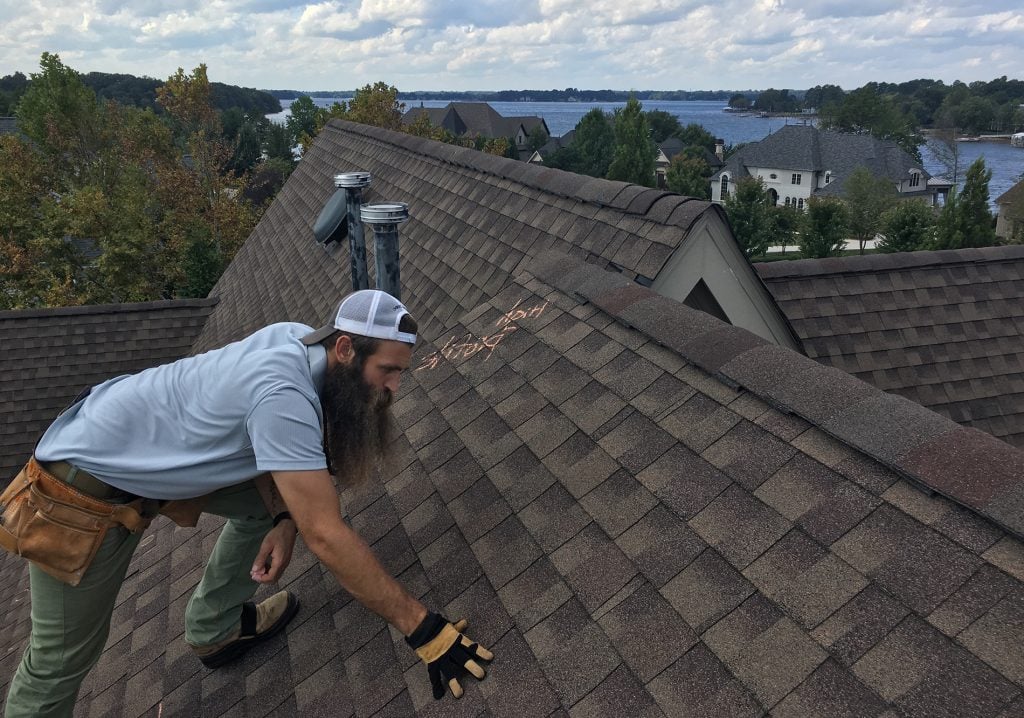
Wind damage shingles can compromise your roof’s performance long before leaks appear. By knowing the warning signs, taking preventive action, and scheduling timely repairs, homeowners can maintain a durable and weatherproof roof for years to come.
Roof Medic proudly helps homeowners in Raleigh and surrounding areas prepare for and recover from storm-related roof damage. Whether you need inspection, guidance, or repair, a proactive approach keeps your home secure through every season.
Reach out to Roof Medic today for expert guidance on identifying and preventing wind damage to shingles.