704.228.7788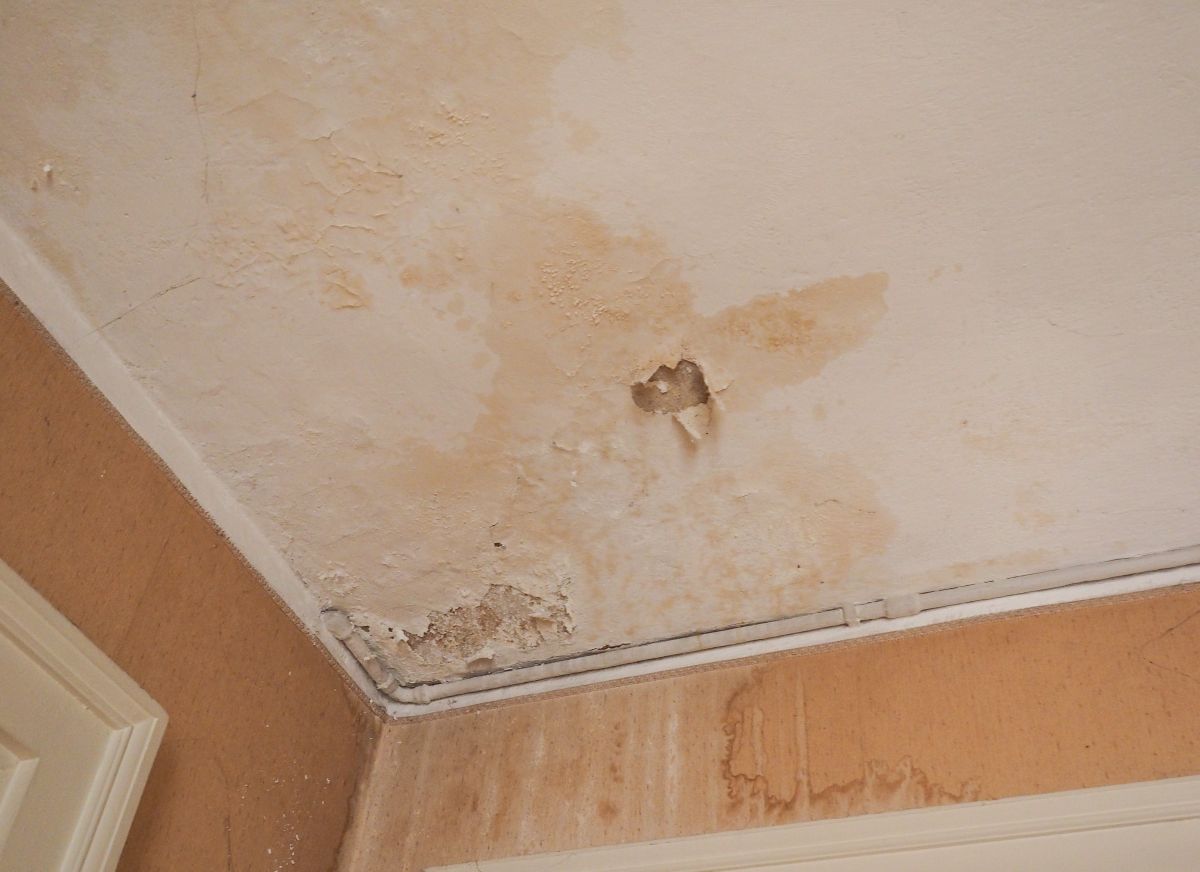
 03/03/2026
 5 minutes Read
Water stains on ceiling surfaces are often the first visible sign that something is wrong with your roof or home’s plumbing. While a small spot may not seem urgent, it could point to a hidden leak that’s been developing for weeks or even months. Knowing whether to repair or replace your roof or ceiling materials depends on the source, severity, and duration of the leak.
For homeowners in Raleigh and surrounding areas, where heavy rain and humidity are common, quick action can mean the difference between a minor repair and a full structural replacement.
- Early intervention: Addressing leaks as soon as they appear prevents widespread damage.
- Cost efficiency: Repairing early often costs far less than waiting until replacement is needed.
- Home safety: Prevents mold growth and structural weakening caused by moisture exposure.
Why Water Stains Appear on Ceilings
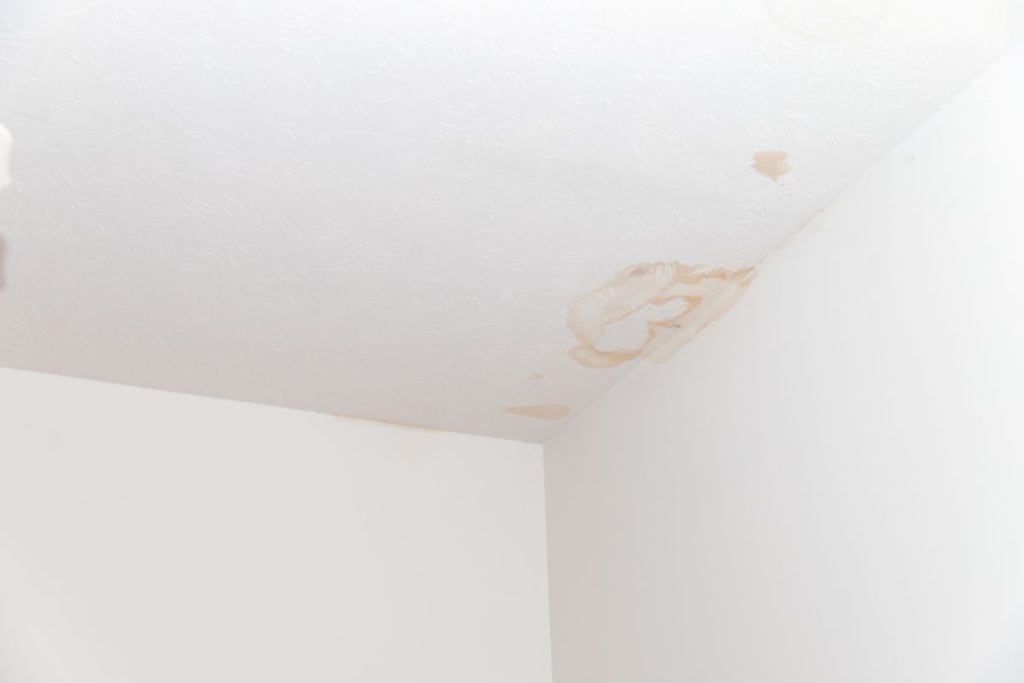
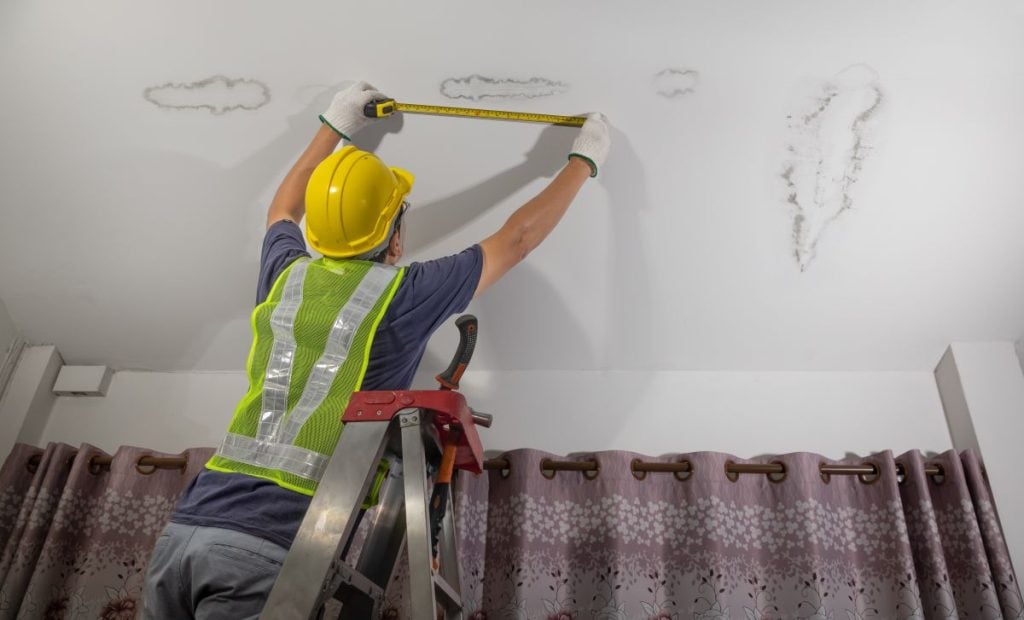
Water stains develop when moisture seeps through roofing materials or plumbing systems, then saturates the drywall or plaster below. Over time, this moisture discolors the ceiling, often leaving brown, yellow, or rusty rings that spread outward.
In Raleigh and surrounding areas, common causes include roof leaks after storms, condensation in poorly ventilated attics, or leaking HVAC components. Understanding the source helps determine whether you’re dealing with a one-time issue or a recurring problem that requires deeper attention.
6 Common Causes of Ceiling Water Stains
Not all water stains come from the same source. Below are the most frequent culprits, and how to identify them.
1. Roof Leaks
The most common cause of water stains is roof damage that allows rainwater to enter your home. Damaged shingles, flashing gaps, or aging sealant can all let moisture through.
- Example scenario: After a severe thunderstorm, a homeowner notices a faint brown ring forming above their living room. A roof inspection reveals lifted shingles and minor flashing separation around the chimney.
2. Plumbing Leaks
If stains appear under a bathroom, laundry room, or kitchen, leaking pipes are likely the cause. Even small drips can lead to large stains over time.
- Example scenario: A family finds a circular stain on their first-floor ceiling directly beneath the upstairs bathtub. Upon inspection, a slow drainpipe leak had been soaking the drywall for weeks.
3. Condensation and Poor Ventilation
In humid climates, condensation buildup from poor attic ventilation can create moisture pockets that stain ceilings below. This is especially common in older homes without proper airflow.
- Example scenario: A homeowner spots widespread discoloration in a second-floor bedroom. The culprit? Insufficient attic ventilation causing warm, moist air to condense under the roof deck.
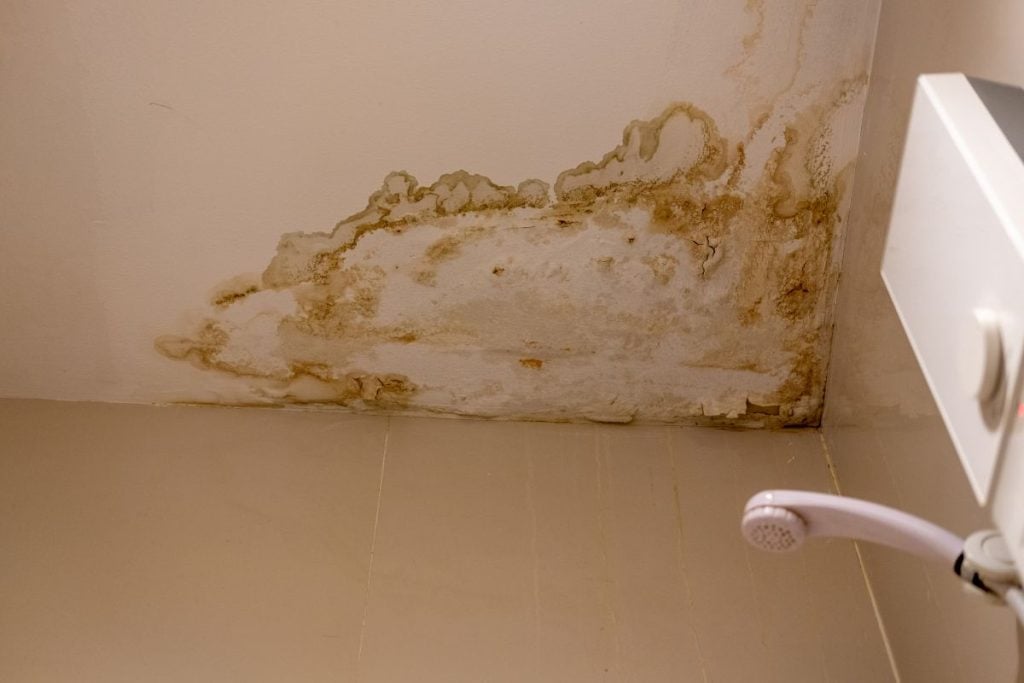
4. Damaged Flashing or Skylights
If the stain is near walls or windows, flashing failure around chimneys, vents, or skylights could be directing water inside.
- Example scenario: Following heavy rain, a homeowner notices staining near their skylight. Roof inspection reveals cracked flashing that allowed water to seep in with each storm.
5. HVAC or Ductwork Issues
Leaking air conditioning units, clogged condensate lines, or poorly insulated ducts can lead to ceiling moisture buildup.
- Example scenario: During summer, condensation drips from an attic HVAC unit, soaking the drywall below. The water stain appears months later as temperatures fluctuate.
6. Ice Dams (in Cold Weather Regions)
Though rare in Raleigh, homeowners in colder surrounding areas may experience ice dams, frozen ridges that block melting snow from draining. Water backs up under shingles and leaks into the attic.
- Example scenario: After a late-winter cold snap, a homeowner notices new stains near the eaves. Ice accumulation had forced water beneath roof shingles, causing leakage into attic insulation.
When to Repair vs. Replace
Once you’ve identified the cause, the next step is determining whether repairs are sufficient or if replacement is required.
| Situation | Recommended Action | Reasoning |
| Isolated, small stain with no active leak | Repair | Clean and repaint after confirming the source is fixed. |
| Minor roof damage in one area | Repair | Replace a few shingles or re-seal flashing. |
| Widespread staining or sagging drywall | Replace | Indicates significant water exposure and structural weakening. |
| Recurrent leaks after multiple repairs | Replace | Suggests underlying roof or plumbing failure. |
| Aging roof with ongoing leaks | Replace | Full replacement ensures long-term protection. |
When a Repair Is Enough
If the water damage is localized and the source has been corrected, simple ceiling patching or paint restoration is often sufficient. Roofers can reseal flashing or replace a small number of shingles to stop leaks at the source.
When Replacement Is the Better Option
If the roof is nearing the end of its lifespan or if the stains cover large areas, replacement becomes the smarter long-term investment. Water can compromise the structural decking, insulation, and drywall, even if leaks seem minor.
How to Prevent Future Water Stains
- Schedule annual roof inspections: Identify weak points before they lead to leaks.
- Clean gutters regularly: Prevent overflow that forces water under shingles.
- Ensure proper attic ventilation: Keeps humidity balanced and prevents condensation.
- Maintain HVAC systems: Clean condensate lines and check attic units for leaks.
- Act quickly: The sooner you address moisture, the less likely you’ll face expensive repairs.
Protect Your Home From Hidden Moisture Damage
Water stains on ceiling surfaces are more than just cosmetic; they’re a warning sign that your roof or home systems need attention. Whether the issue calls for a quick fix or a full replacement depends on the source and extent of the leak. Acting fast prevents mold growth, protects your home’s structure, and maintains long-term property value.
Roof Medic proudly helps homeowners in Raleigh and surrounding areas identify, repair, and prevent roof-related water damage with trusted expertise and detailed inspections.
Reach out to Roof Medic today for expert guidance on addressing water stains on ceiling surfaces and keeping your home dry year-round.