704.228.7788
 01/22/2026
 6 minutes Read
Tile roof repair is one of the most important steps homeowners can take after severe weather hits. Tile roofs are designed to withstand harsh conditions, but strong winds, hail, or flying debris can still cause cracks, displacement, or leaks. Acting quickly helps preserve your roof’s structure and prevent long-term issues.
For homeowners in Raleigh and surrounding areas, where storm season brings unpredictable conditions, knowing how to assess and address damage is key. A timely and informed response ensures your roof continues protecting your home efficiently and beautifully.
- Quick action: Addressing storm damage early reduces repair costs and prevents structural deterioration.
- Professional assessment: Certified roofers identify both visible and hidden tile damage.
- Long-term planning: Quality repairs extend the roof’s life and enhance overall storm resistance.
Understanding How Storms Affect Tile Roofs

Tile roofs are known for their strength, but they aren’t invincible. Impact, water pressure, and shifting wind patterns can all cause subtle — and sometimes hidden — issues.
High winds can lift tiles at the edges or ridges, hail can chip or crack individual pieces, and excess water can damage the underlayment beneath. Recognizing these effects early is crucial for preventing leaks and ensuring proper drainage after a major weather event.
3 Common Types of Storm Damage to Tile Roofs
Different weather elements cause unique forms of damage. Understanding how each one affects your tile system helps determine the most effective repair approach.
1. Cracked or Broken Tiles
Tile cracking is one of the most visible signs of damage after hail or falling debris. While one or two broken tiles may not seem urgent, they can allow water to seep beneath the surface.
- Surface fractures: Small chips and cracks allow gradual moisture intrusion.
- Impact breaks: Larger cracks often appear near roof peaks or where branches fall.
- Color variations: Damaged areas may appear darker due to trapped moisture.
2. Dislodged or Misaligned Tiles
Heavy wind gusts can shift tiles slightly out of place, disrupting the roof’s watertight seal.
- Lifted corners: Compromise overlap between tiles, allowing wind-driven rain inside.
- Gaps between rows: Create pathways for debris and moisture accumulation.
- Loose ridge caps: Can lead to structural imbalance along the roof’s peak.
These issues are subtle but should be corrected before the next storm season.
3. Underlayment and Flashing Damage
Even if the tiles themselves appear intact, storm-force winds can tear or loosen underlayment layers beneath. This is one of the most common causes of leaks following heavy rain.
- Lifted flashing: Allows water intrusion at roof joints or valleys.
- Underlayment wear: Tears or bubbling indicate compromised waterproofing.
- Hidden leaks: Moisture trapped beneath tiles can spread before becoming visible.
Professional inspection is essential to confirm the condition of the roof’s hidden components.
What to Do Immediately After a Storm
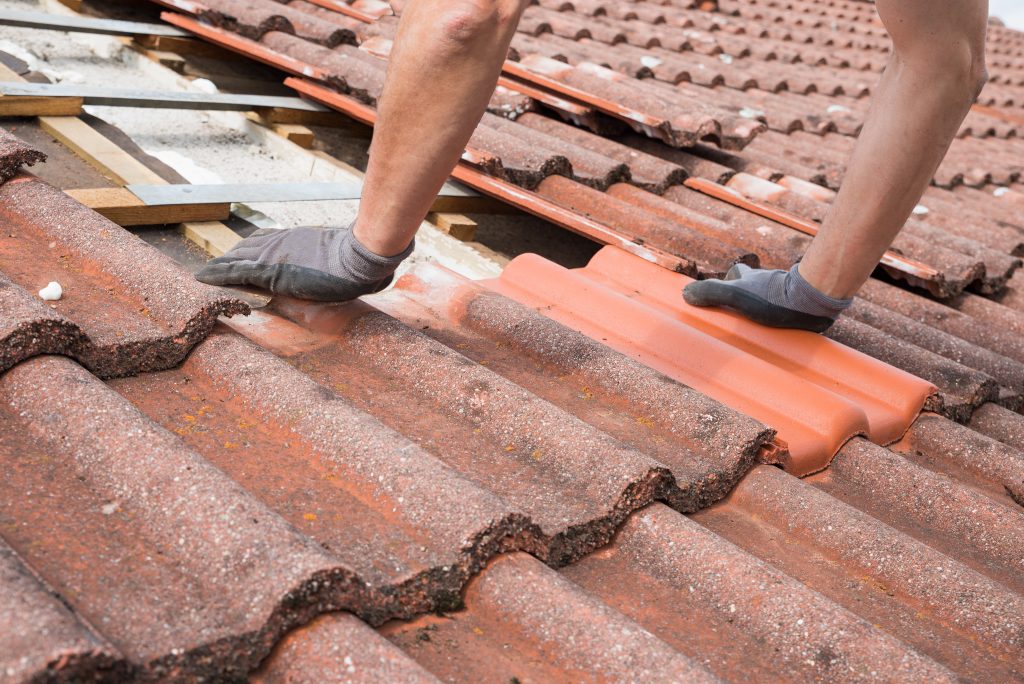
Taking the right steps immediately after bad weather can make the difference between a minor repair and major water damage.
Perform a Safe Ground Inspection
Before calling a contractor, walk around your property and look for visible warning signs.
- Missing tiles: Check roof edges and valleys for exposed underlayment.
- Fallen debris: Remove large branches from around the home safely.
- Interior signs: Look for water stains on ceilings or attic beams.
Document the Damage
If you plan to file an insurance claim, proper documentation is key.
- Photograph everything: Capture cracked tiles, damaged gutters, and displaced flashing.
- Note the storm date: Record when and how the damage occurred.
- Save samples: If loose tiles fall off, keep them for material matching.
A clear record speeds up both your insurance process and repair timeline.
Contact a Professional Roofing Contractor
Tile roof systems require skilled handling. Professionals use special tools to walk safely on tile surfaces without causing additional breakage.
- Specialized expertise: Tile roofing demands a different approach than asphalt or metal.
- Detailed inspection: Roofers assess tiles, underlayment, flashing, and sealants.
- Accurate repair plan: Professionals provide clear estimates and prioritize safety.
In Raleigh and surrounding areas, choosing an experienced local contractor ensures familiarity with regional weather patterns and roofing materials.
Professional Tile Roof Repair Process
Once your inspection is complete, your roofing contractor will begin repairs designed to restore full protection and appearance.
Tile Removal and Replacement
Damaged tiles are carefully removed and replaced with matching materials.
- Precision fit: Replacement tiles are aligned with existing ones for a seamless finish.
- Secure fastening: Roofers use corrosion-resistant fasteners for long-term durability.
- Waterproof sealing: Joints are treated to prevent leaks around new tiles.
Underlayment Restoration
If water has penetrated below the tile surface, the underlayment must be repaired or replaced.
- Moisture barrier repair: Ensures full waterproof protection before tiles are reset.
- Flashing reinforcement: Restores secure sealing around chimneys, skylights, and edges.
- Final reinstallation: Tiles are laid back in place with perfect overlap for drainage.
Finishing and Clean-Up
Once repairs are complete, your contractor will perform a final inspection and clean the area thoroughly.
- Debris removal: Old tiles and storm residue are cleared from the roof and gutters.
- Final inspection: Ensures all materials are properly seated and watertight.
- Protective treatment: Optional sealants enhance longevity and color retention.
Preventing Future Storm Damage

Tile roofs are durable, but regular maintenance makes them even more resilient. Consistent care ensures your system can withstand future severe weather.
Simple Preventive Steps
- Schedule annual inspections: Professionals can identify weak areas early.
- Clean gutters regularly: Prevents water buildup that can damage tiles or flashing.
- Trim nearby trees: Reduces the risk of falling branches during wind events.
- Replace damaged tiles promptly: Prevents minor cracks from becoming larger issues.
In areas like Raleigh and surrounding communities, where storms can strike with little warning, these preventive measures keep your roof performing at its best.
When Repairs Aren’t Enough
If your tile roof sustains widespread cracking, water infiltration, or underlayment failure, a full restoration may be the best solution. Restoration revitalizes your existing structure while avoiding the cost of complete replacement.
- Extensive cracking or displacement: Suggests systemic wear beyond simple repair.
- Multiple leaks: Indicate compromised waterproofing beneath the tiles.
- Structural sagging: Signals deeper decking or support issues.
A roofing expert can determine whether a restoration or partial replacement provides better long-term value.
Protect Your Home With Expert Tile Roof Repair
Tile roof repair after storm damage isn’t just about fixing what’s broken — it’s about protecting your home for the future. With professional help, you can restore both beauty and performance while preventing future damage.
Roof Medic proudly assists homeowners in Raleigh and surrounding areas with expert tile repair and restoration. Whether your roof needs a few replacements or full underlayment repair, our team ensures lasting strength and peace of mind.
Reach out to Roof Medic today for expert guidance on tile roof repair and storm recovery solutions.