704.228.7788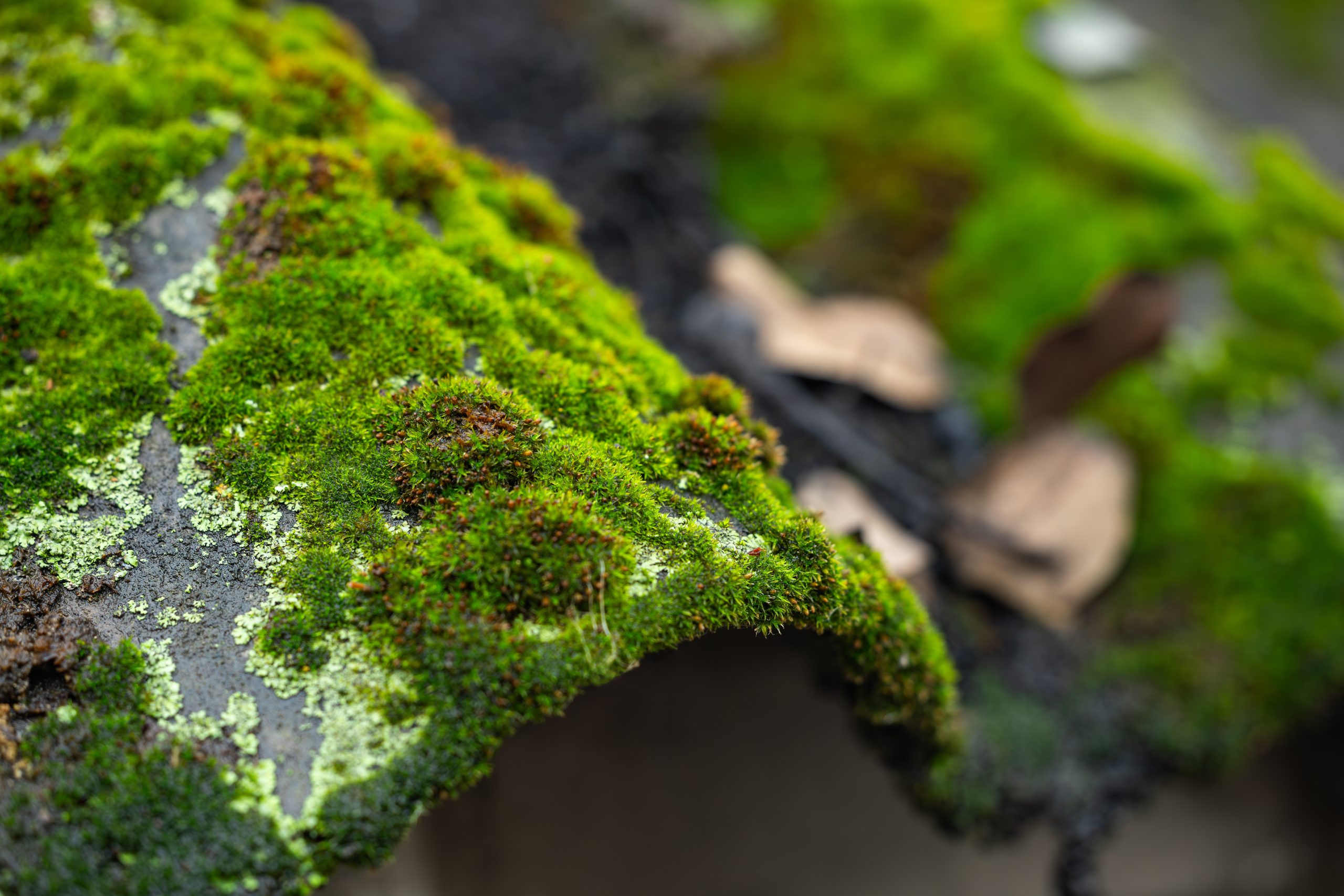
 01/27/2026
 5 minutes Read
Tile roof cleaning is essential for maintaining both the appearance and longevity of your home’s roofing system. Over time, dirt, debris, and moss buildup can trap moisture, weaken tiles, and impact the roof’s overall efficiency. Regular cleaning helps prevent these problems and preserves your roof’s natural beauty.
For homeowners in Raleigh and surrounding areas, moss growth can become a recurring issue due to humidity and rainfall. Understanding the right cleaning methods ensures your roof stays clear of buildup without causing unnecessary wear or damage.
- Prevent decay: Cleaning eliminates organic buildup that holds moisture and causes tile deterioration.
- Improve performance: A clean roof allows for proper water flow and ventilation.
- Enhance curb appeal: Removing moss and stains restores your home’s exterior appearance.
Why Moss Grows on Tile Roofs

Moss thrives in damp, shaded environments where water and organic material accumulate. Over time, it forms a thick mat that traps moisture against the roof surface. This constant dampness can erode the tile finish, loosen flashing, and even allow leaks to form.
Homes surrounded by trees or shaded by nearby buildings are especially prone to moss buildup, particularly in climates like Raleigh and surrounding areas where humidity levels stay high for much of the year.
7 Tile Roof Cleaning Tips to Prevent Moss Growth
Keeping your tile roof clean requires a gentle, consistent approach. The following tips outline how to manage buildup safely and effectively while protecting your roof’s materials.
1. Inspect the Roof Before Cleaning
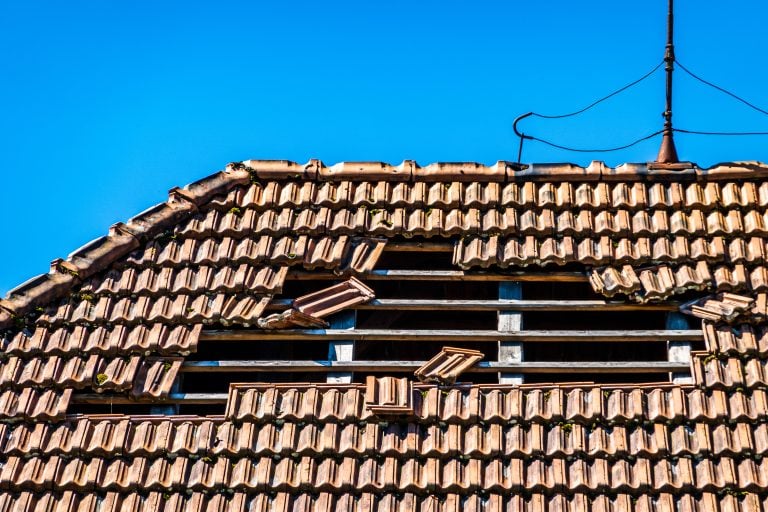
Before starting any tile roof cleaning, assess the surface to identify loose, cracked, or broken tiles. Cleaning without inspecting first may worsen existing damage or cause new breakage.
- Check for cracks: Damaged tiles can leak when exposed to pressurized water.
- Note moss thickness: Heavy growth may require multiple light cleanings rather than one aggressive treatment.
- Plan for safety: Always use stable ladders or hire professionals for difficult-to-reach sections.
2. Use Low-Pressure Cleaning Methods
High-pressure washing can crack or dislodge roof tiles, so it’s best to use a soft wash method. Gentle water flow combined with mild cleaning solutions removes debris effectively without harming the roof surface.
- Avoid harsh jets: Excess pressure can strip protective coatings.
- Apply water evenly: Prevents streaking and water pooling.
- Work top to bottom: Ensures debris flows off the roof safely.
3. Apply an Appropriate Cleaning Solution
The right cleaning solution helps remove moss and algae while protecting the integrity of your tiles. Use mild, biodegradable cleaners instead of bleach-heavy formulas that can damage roofing materials or landscaping.
- Diluted vinegar or specialized cleaners: These dissolve organic growth without corroding tile surfaces.
- Avoid chlorine bleach: It can erode coatings and discolor tiles.
- Rinse thoroughly: Prevent residue from drying on the roof surface.
4. Remove Moss and Algae Gently
Once loosened by cleaning solutions, moss should be brushed off carefully with soft tools. Avoid scraping or aggressive brushing that can scratch or chip the tiles.
- Soft-bristle brushes: Ideal for lifting moss without abrasion.
- Work in sections: Focus on one area at a time for even cleaning.
- Inspect after brushing: Ensure all debris is cleared from valleys and drainage paths.
5. Clear Gutters and Downspouts
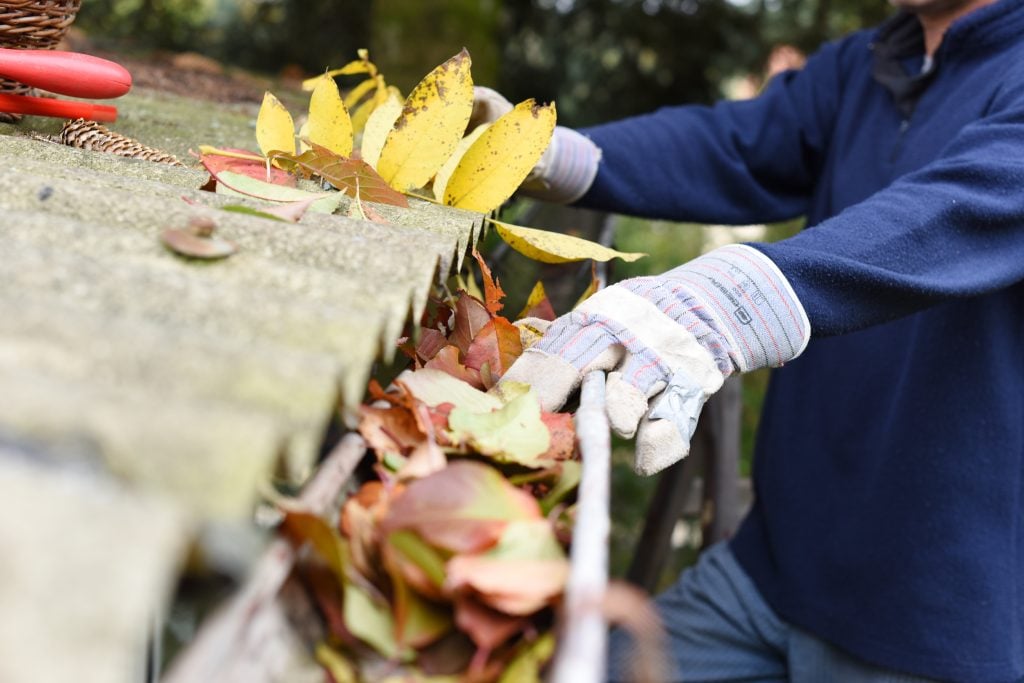
Cleaning your roof is only part of the process. Moss and debris often end up in gutters, which can block drainage and cause water overflow during storms.
- Check after cleaning: Clear any moss or dirt that washed into gutters.
- Ensure downspouts flow freely: Proper drainage prevents standing water on roof edges.
- Install gutter guards: Help reduce future buildup of organic material.
6. Trim Overhanging Branches
Trees provide shade and drop organic debris that encourage moss growth. Trimming branches around your home helps sunlight reach the roof surface and reduces moisture retention.
- Maintain clearance: Keep branches at least three feet from the roofline.
- Reduce shade: Sunlight naturally discourages moss and algae formation.
- Minimize debris: Fewer leaves mean fewer damp areas for moss to thrive.
7. Schedule Periodic Roof Inspections
Routine inspections help identify early signs of moss regrowth and ensure your tile roof remains in good condition.
- Inspect seasonally: Particularly after heavy rain or long humid periods.
- Check for reoccurrence: Early removal of new moss prevents regrowth.
- Assess overall condition: Look for tile movement or deterioration that might need repair.
Preventing Future Moss Growth
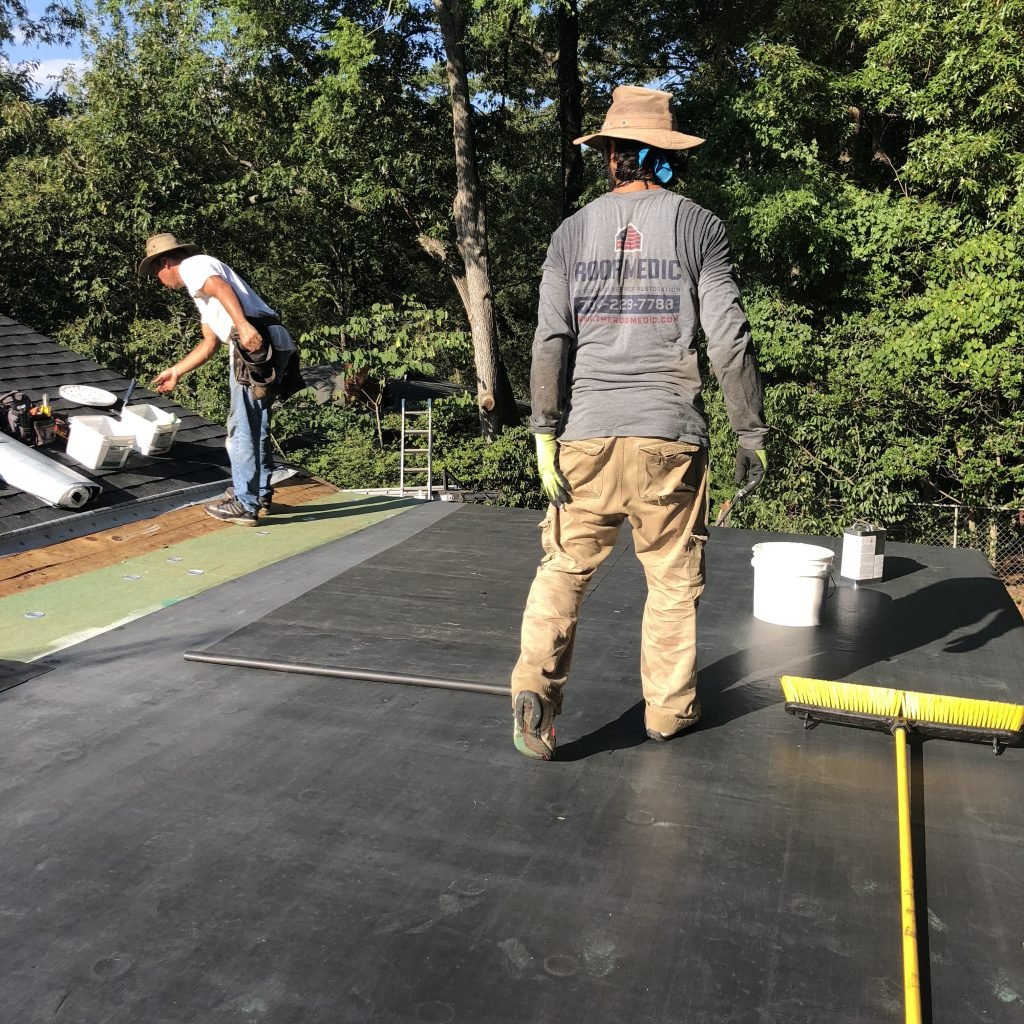
Prevention is the most effective way to keep moss from returning. After cleaning, consider adding protective measures that discourage regrowth naturally.
- Zinc or copper strips: When installed along the roof ridge, rainwater distributes trace minerals that inhibit moss formation.
- Improved ventilation: Adequate attic airflow reduces humidity that fosters moss growth.
- Regular cleaning: Light maintenance every year helps maintain a clean surface without harsh treatments.
For homeowners in Raleigh and surrounding areas, these preventive steps provide long-term roof protection and help maintain both beauty and function.
Keep Your Tile Roof Clean and Strong
Tile roof cleaning plays a vital role in preserving your home’s appearance and performance. With proper care, you can prevent moss buildup, extend the lifespan of your roof, and protect your investment from unnecessary wear.
Roof Medic proudly educates homeowners in Raleigh and surrounding areas on effective ways to maintain and protect their roofing systems. Taking a proactive approach to care helps your roof stay resilient season after season.
Reach out to Roof Medic today for expert guidance on maintaining a healthy, long-lasting tile roof.