704.228.7788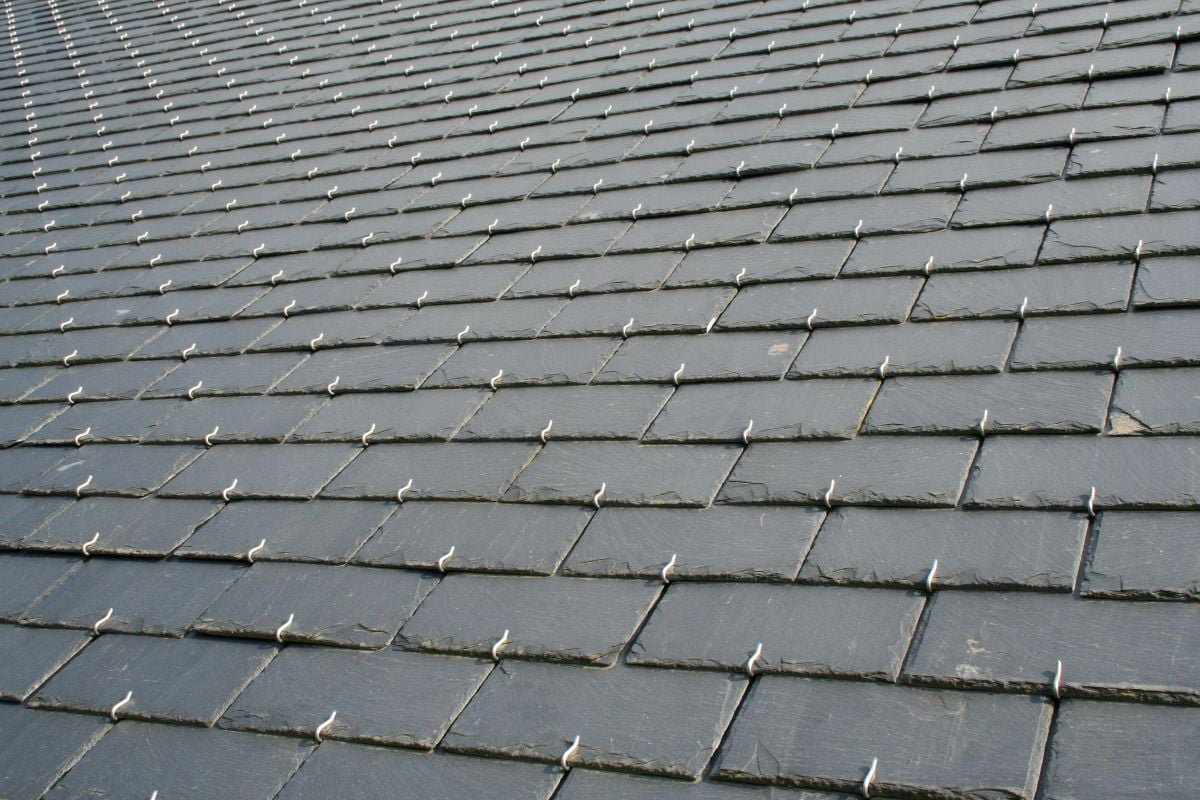
 03/26/2026
 6 minutes Read
Slate roof replacement is sometimes the only reliable solution when aging slate tiles begin to fail and compromise the structural integrity of your home. While slate roofing is known for exceptional durability and longevity, even the strongest materials eventually show signs of wear. Understanding when repairs are no longer enough can help homeowners protect their investment and avoid costly interior damage.
For homeowners in Matthews and surrounding areas, seasonal storms, humidity, and temperature fluctuations can gradually impact slate roofing systems. Recognizing early warning signs ensures you address problems before they escalate.
- Prevent structural damage: Replacing failing slate prevents water intrusion and deck deterioration.
- Maintain home value: A sound roof supports property appraisal and resale value.
- Ensure long term protection: Replacement restores full weather resistance.
Why Slate Roofs Eventually Require Replacement
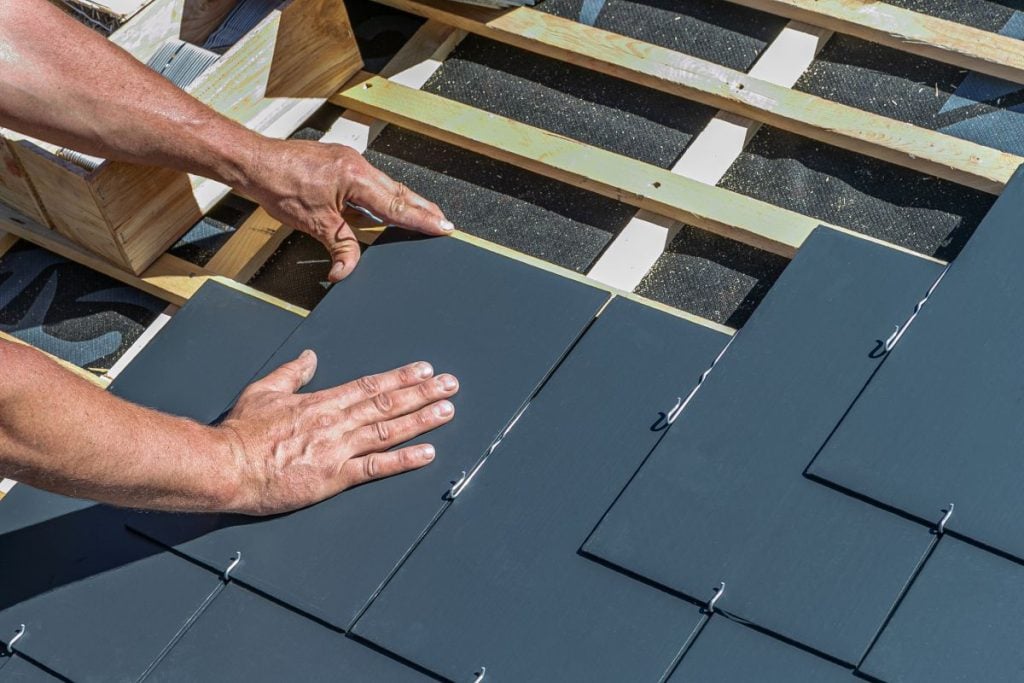
Slate is a natural stone material valued for its strength and timeless appearance. Many slate roofs last 75 to 100 years when properly installed and maintained. However, underlayment, flashing, and fasteners often deteriorate long before the slate tiles themselves.
In Matthews and surrounding areas, prolonged moisture exposure and severe weather events can accelerate aging in these supporting components. When the underlying system begins to fail, full slate roof replacement may become more cost effective than repeated repairs.
6 Signs You Need Slate Roof Replacement
Knowing when to transition from repairs to full replacement can save homeowners significant stress and expense. Below are six clear indicators that replacement may be necessary.
1. Widespread Cracked or Broken Slate Tiles
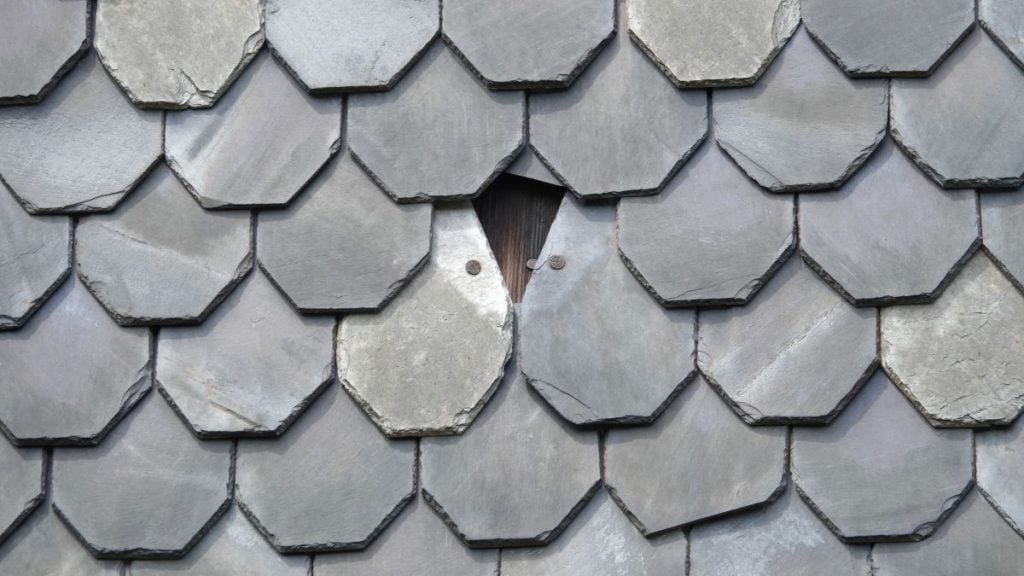
Occasional cracked tiles can often be replaced individually. However, when large sections of the roof show consistent breakage, it typically signals advanced aging.
As slate becomes brittle over time, freeze thaw cycles and impact damage increase cracking frequency. When repairs become repetitive and cover multiple areas, the roof may be nearing the end of its service life.
- Frequent breakage: Multiple cracked tiles across different slopes.
- Brittle texture: Tiles snap easily during inspection.
- Recurring repairs: Ongoing patchwork without lasting improvement.
2. Deteriorating Flashing and Fasteners
Slate tiles may remain intact while the metal flashing and fasteners beneath them corrode or fail. Rusted nails, weakened flashing around chimneys, and degraded valleys allow water intrusion.
In Matthews and surrounding areas, humidity can accelerate metal corrosion, especially in older installations. If flashing deterioration is widespread, lifting and reinstalling slate for repair may not be practical.
- Rust stains: Visible around tile edges or valleys.
- Loose or sliding tiles: Caused by failing fasteners.
- Persistent leaks: Despite isolated tile repairs.
3. Sagging Roof Structure
A sagging roofline is a serious structural concern. While slate itself is heavy and durable, long term water damage to the roof deck or framing can cause visible dips.
If the supporting structure has been compromised due to prolonged leaks, slate roof replacement combined with structural repair is often required.
- Visible dips or waves: Along roof ridges or slopes.
- Interior ceiling cracks: Associated with structural stress.
- Soft decking: Identified during professional inspection.
4. Extensive Underlayment Failure
Underlayment provides an essential secondary barrier beneath slate tiles. Over decades, this layer can deteriorate due to moisture exposure and age.
When underlayment fails across large sections, removing and reinstalling slate becomes labor intensive and may justify full replacement.
- Multiple leak points: Not limited to one localized area.
- Water stains in attic: Despite intact slate tiles.
- Age beyond expected lifespan: Underlayment typically lasts 30 to 40 years.
5. Excessive Moss and Moisture Retention
While minor moss growth is common, heavy buildup may signal chronic moisture retention. This can accelerate slate surface deterioration and compromise underlying materials.
In humid climates like Matthews and surrounding areas, unmanaged organic growth can contribute to faster aging.
- Thick moss layers: Particularly in shaded areas.
- Persistent dampness: Even days after rainfall.
- Tile surface erosion: Caused by long term moisture exposure.
6. Roof Age Exceeding 75 to 100 Years
Even well maintained slate roofs eventually reach the end of their serviceable lifespan. If your roof approaches or exceeds 75 to 100 years, proactive evaluation is recommended.
At this stage, repairs may only provide temporary relief. Replacement ensures updated underlayment, flashing, and fastening systems that meet modern standards.
- Historical installation date: Verified through records.
- Multiple aging indicators: Across tiles and flashing.
- Increasing repair frequency: Over recent years.
How Much Does Slate Roof Replacement Cost?
Slate roof replacement is one of the more significant roofing investments a homeowner can make. Costs vary depending on roof size, material selection, structural reinforcement needs, and labor complexity. Because slate is heavier than most roofing materials, some homes require framing upgrades before installation begins. Understanding these variables helps homeowners plan confidently and avoid unexpected expenses.
In Matthews and surrounding areas, pricing may also reflect regional labor rates and material availability. While the upfront investment is higher than many roofing materials, slate’s exceptional lifespan often delivers long-term value.
- Roof size and pitch: Larger or steeper roofs increase labor and safety requirements.
- Material type: Natural slate costs more than synthetic alternatives.
- Structural reinforcement: Some homes require deck or framing upgrades.
- Flashing replacement: New flashing is typically installed during replacement.
- Disposal costs: Removing old slate adds labor and haul-away fees.
A professional evaluation ensures you receive an accurate scope of work before committing to replacement.
Natural Slate vs Synthetic Slate: Which Is Right for You?
When considering slate roof replacement, homeowners must decide between natural slate and synthetic slate products. Natural slate offers unmatched authenticity, longevity, and historic appeal. However, it is heavier and typically more expensive. Synthetic slate is engineered to replicate the appearance of real stone while offering lighter weight and impact resistance.
For homeowners in Matthews and surrounding areas, climate conditions, structural capacity, and long-term budget goals should guide the decision. Both materials provide durability, but their performance characteristics differ.
- Natural slate durability: Can last 75 to 100 years or more.
- Authentic appearance: Offers unique color variations and texture.
- Synthetic weight advantage: Reduces need for structural reinforcement.
- Impact resistance: Many synthetic options resist hail damage better.
- Cost considerations: Synthetic materials typically have lower upfront cost.
Consulting a roofing professional helps determine which option aligns with your home’s structure and long-term performance expectations.
Know When Replacement Is the Smart Choice
Slate roof replacement becomes necessary when widespread damage, structural issues, or advanced aging compromise your roof’s ability to protect your home. While slate is one of the most durable roofing materials available, no system lasts forever.
Roof Medic proudly supports homeowners in Matthews and surrounding areas with professional inspections and honest guidance on slate roofing systems. Understanding the warning signs early allows you to plan confidently and protect your home for decades to come.
Reach out to Roof Medic for expert guidance on evaluating your slate roof and determining the right next steps.