704.228.7788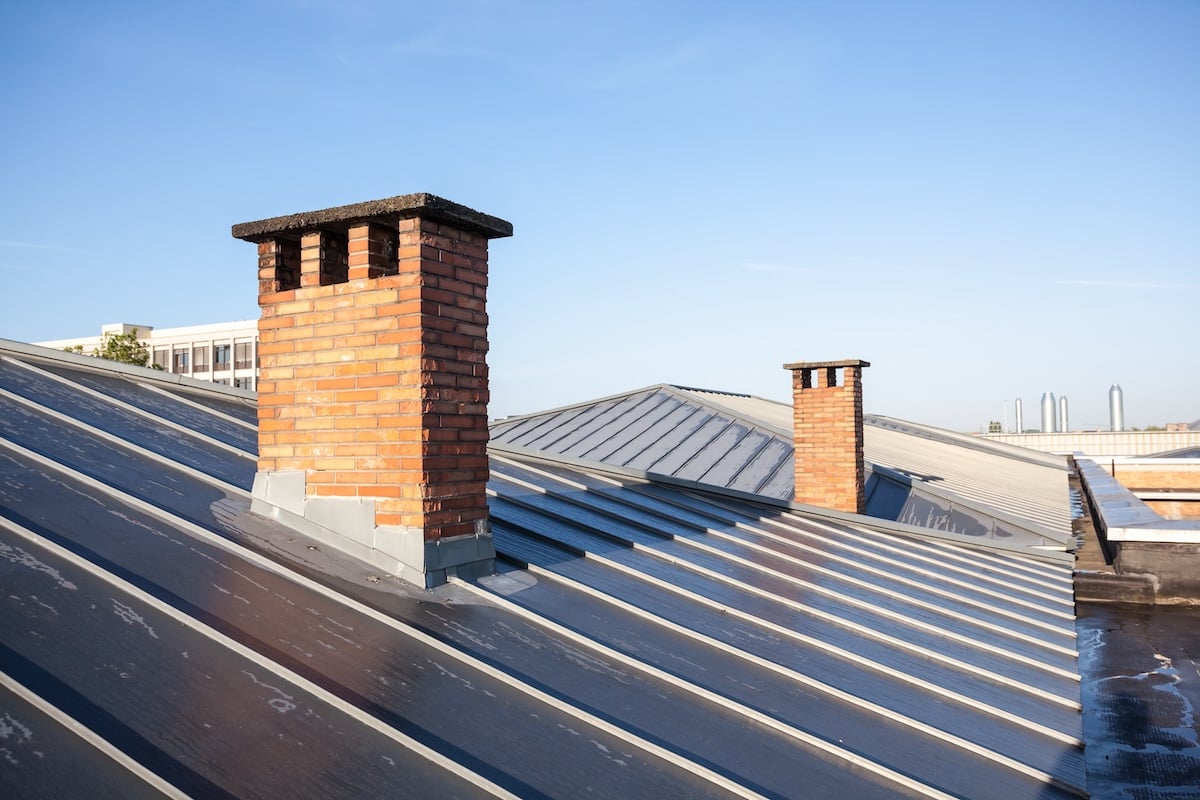
 11/11/2025
 7 minutes Read
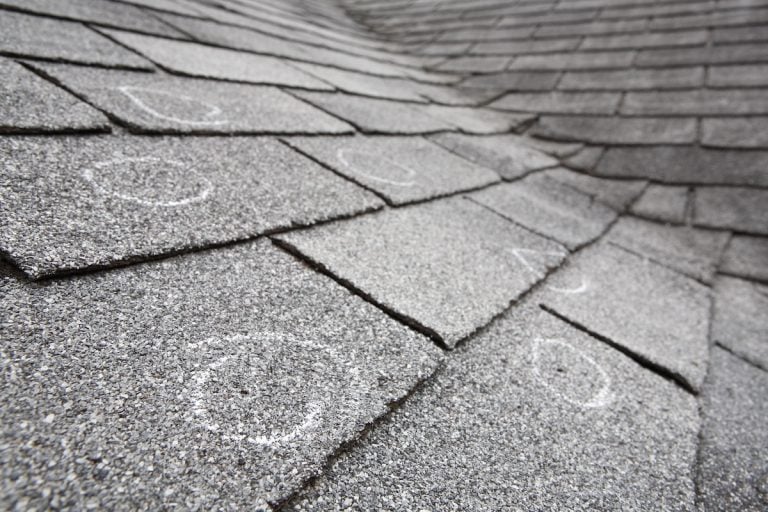
Metal roof hail damage can occur even when your roof looks perfectly fine from the ground. While metal roofing is known for its durability, severe storms can still cause dents, scratches, or punctures that weaken the roof’s protective coating. Acting quickly after a hailstorm can make a big difference in preventing long-term damage and maintaining your home’s value.
Before starting the recovery process, keep these key points in mind:
- Early action saves money: Prompt response helps prevent small issues from turning into costly repairs.
- Documentation is key: Thorough evidence supports insurance claims.
- Professional expertise matters: Certified roofing contractors can determine the full extent of damage safely.
What To Do After a Hailstorm
Severe hailstorms can strike without warning, leaving homeowners unsure of what to do next. Even though metal roofing is built to withstand the elements, hail impact can still cause dents, punctures, and coating damage that may not be visible right away. Knowing how to respond in the hours and days following a storm can help protect your investment and make any repair process much smoother. Below are four essential steps every homeowner should take after experiencing metal roof hail damage.

1. Inspect and Document the Damage
Your first step after a storm is to carefully evaluate your property for visible signs of damage — without putting yourself at risk.
Check From the Ground
Begin with a visual inspection from a safe distance. Look for signs of dents or missing fasteners. You may also notice displaced flashing or changes in roof color, which can indicate coating damage.
- Use binoculars: This helps you spot dents or loose components without climbing up.
- Inspect other surfaces: Look for dents in gutters, siding, or vehicles. If these areas show impact, your metal roof likely sustained similar hail damage.
- Avoid unsafe access: Do not walk on your roof until it’s been inspected for structural safety.
Document Everything
Proper documentation will support your insurance claim and make it easier for professionals to assess the situation.
- Take detailed photos: Capture both wide and close-up shots of visible dents, punctures, or scratches.
- Add timestamps: Ensure each photo includes a date and time stamp for accuracy.
- Write notes: Record storm details, such as hail size and wind direction, while they’re still fresh in your memory.
Keeping organized records now will save time and frustration later when communicating with your insurance provider.
2. Contact Your Insurance Provider
After you’ve gathered initial documentation, the next step is to reach out to your insurance company. Reporting the hail event quickly helps start the claims process and ensures you meet any required filing deadlines.
Understand Your Policy
Review your homeowner’s insurance policy to understand what’s covered. Some policies cover cosmetic damage, while others only address functional damage that affects the roof’s ability to shed water or protect your home.
- Deductible awareness: Check your storm deductible so you know your financial responsibility before filing.
- Coverage limitations: Verify whether your policy has separate terms for hail or wind damage.
- Communication clarity: Keep a record of all calls, claim numbers, and representative names.
Schedule an Adjuster Appointment
Your insurer will likely send an adjuster to evaluate the damage.
- Have your documentation ready: Photos and notes can help confirm the extent of damage.
- Request a joint inspection: Ask your roofing contractor to be present during the adjuster’s visit.
- Stay involved: Be sure you understand the findings before signing any claim documents.
This collaborative approach ensures that both your insurer and roofing professional agree on the necessary repairs.
3. Schedule a Professional Roof Inspection
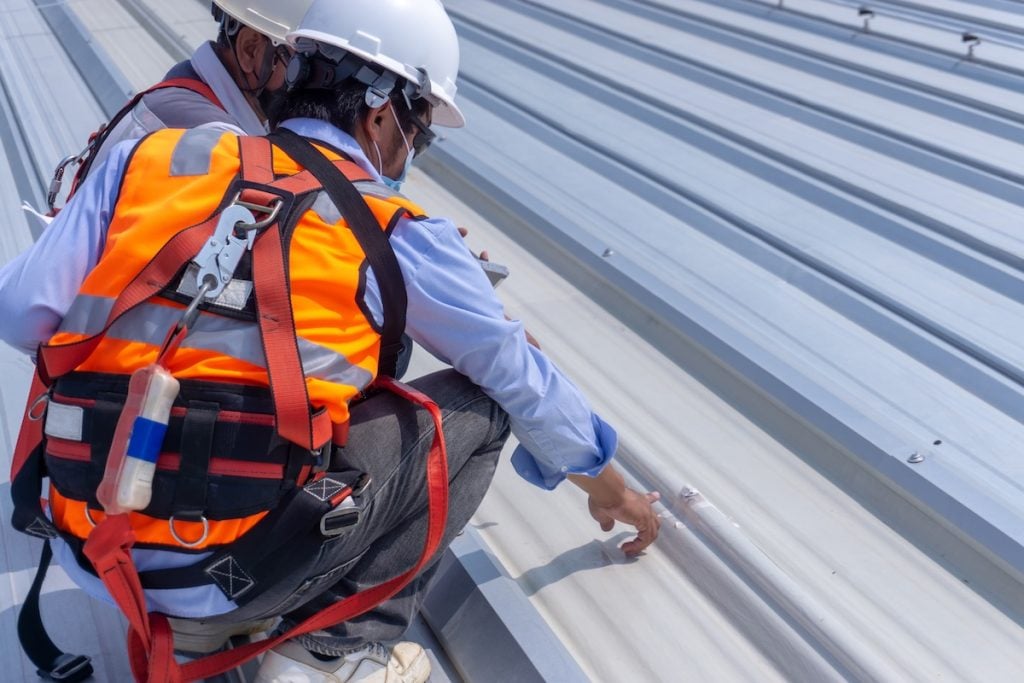
Even minor dents can reduce the lifespan of your roof if ignored. A certified roofing contractor should perform a detailed inspection to determine the full impact of hail on your roof’s performance.
Why Professional Inspections Matter
Roofing contractors have the experience to identify hidden issues that homeowners might miss. They can tell whether hail caused only cosmetic damage or if it compromised seams, flashing, or coatings.
- Precision evaluation: Professionals know how to detect underlying structural weaknesses.
- Material expertise: Different metal roofing systems (like standing seam or interlocking panels) require unique inspection techniques.
- Safety assurance: Experts use proper equipment and fall protection, ensuring no additional damage occurs during assessment.
Areas Professionals Will Inspect
A thorough evaluation focuses on specific areas where hail damage tends to appear first.
- Roof panels: Dents, punctures, or paint loss that could expose bare metal.
- Fasteners and clips: Loose or displaced parts that weaken roof security.
- Flashing and seams: Damaged joints where leaks often develop.
- Protective coatings: Scratched or worn areas vulnerable to corrosion.
If your roof in Mooresville and surrounding areas shows any of these signs, a professional inspection is the best way to confirm the severity and scope of damage.
4. Plan Repairs or Replacement
Once your roofing contractor has completed the inspection and your insurance claim is underway, it’s time to decide on the best course of action. Depending on the damage, your roof may only need minor touch-ups — or in some cases, partial replacement.
When Repairs Are the Right Choice
If dents are shallow and the protective finish remains intact, repairs can be simple and affordable.
- Surface refinishing: Repainting or applying a protective coating can restore appearance and prevent rust.
- Panel resealing: Re-securing seams or fasteners ensures watertight performance.
- Localized fixes: Damaged sections can often be repaired without disturbing the entire roof.
When Replacement Is Necessary
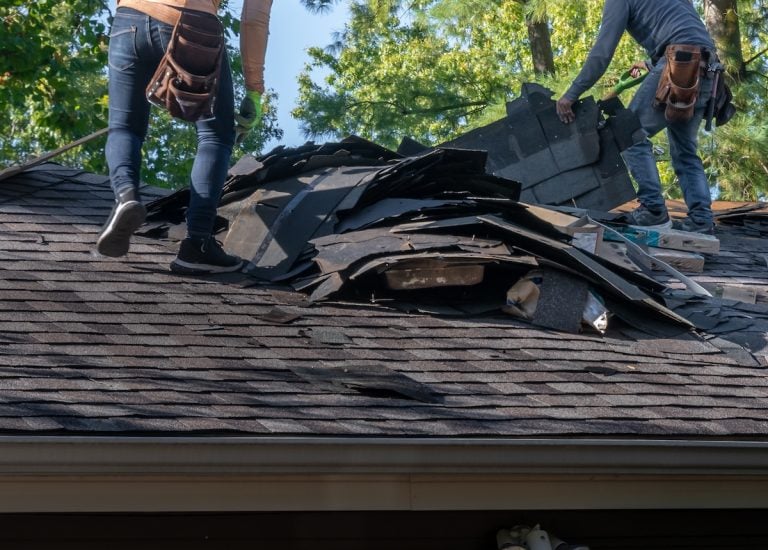
Severe hail impact that punctures panels, warps seams, or damages the underlayment may call for replacing certain roof sections.
- Partial replacement: Many metal roofing systems allow specific sections to be swapped out without removing the whole roof.
- Material upgrades: If you’ve experienced multiple hail events, consider impact-rated metal roofing shingles for stronger protection.
- Long-term investment: While replacement costs more upfront, it ensures your roof continues protecting your home for decades.
Preventing Future Damage
You can’t stop hailstorms, but you can reduce the risk of future damage with proactive maintenance.
- Schedule annual inspections: Regular checkups after storm season help catch early wear.
- Add protective coatings: Reflective or impact-resistant coatings extend roof life.
- Trim nearby trees: Overhanging branches can scratch or dent the surface during high winds.
Cosmetic vs. Functional Damage: What to Know
Understanding the difference between cosmetic and functional hail damage helps homeowners make informed decisions.
Cosmetic Damage
Cosmetic issues affect the appearance of your roof but not its structural performance. Small dents or scratches fall into this category. They may not cause immediate leaks but could impact resale value or long-term corrosion resistance.
Functional Damage
Functional hail damage occurs when roof panels, seams, or fasteners are compromised, allowing moisture to penetrate the structure. This kind of damage requires timely repair to prevent leaks, rust, or insulation problems.
Roofing contractors can identify whether your damage is cosmetic or functional, ensuring your insurance claim accurately reflects the true repair needs.
Protect Your Metal Roof After Every Storm
Metal roof hail damage can range from minor dents to serious structural concerns. Acting quickly — by documenting the damage, contacting your insurer, scheduling a professional inspection, and planning appropriate repairs — helps safeguard your home’s strength and longevity.
Roof Medic proudly supports homeowners in Mooresville and surrounding areas with expert insight into storm damage prevention and roof maintenance. Whether you’re addressing a recent hailstorm or planning ahead for the next one, having trusted professionals on your side makes all the difference.
Reach out to Roof Medic today for expert guidance on maintaining your metal roof and protecting your home after severe weather.