704.228.7788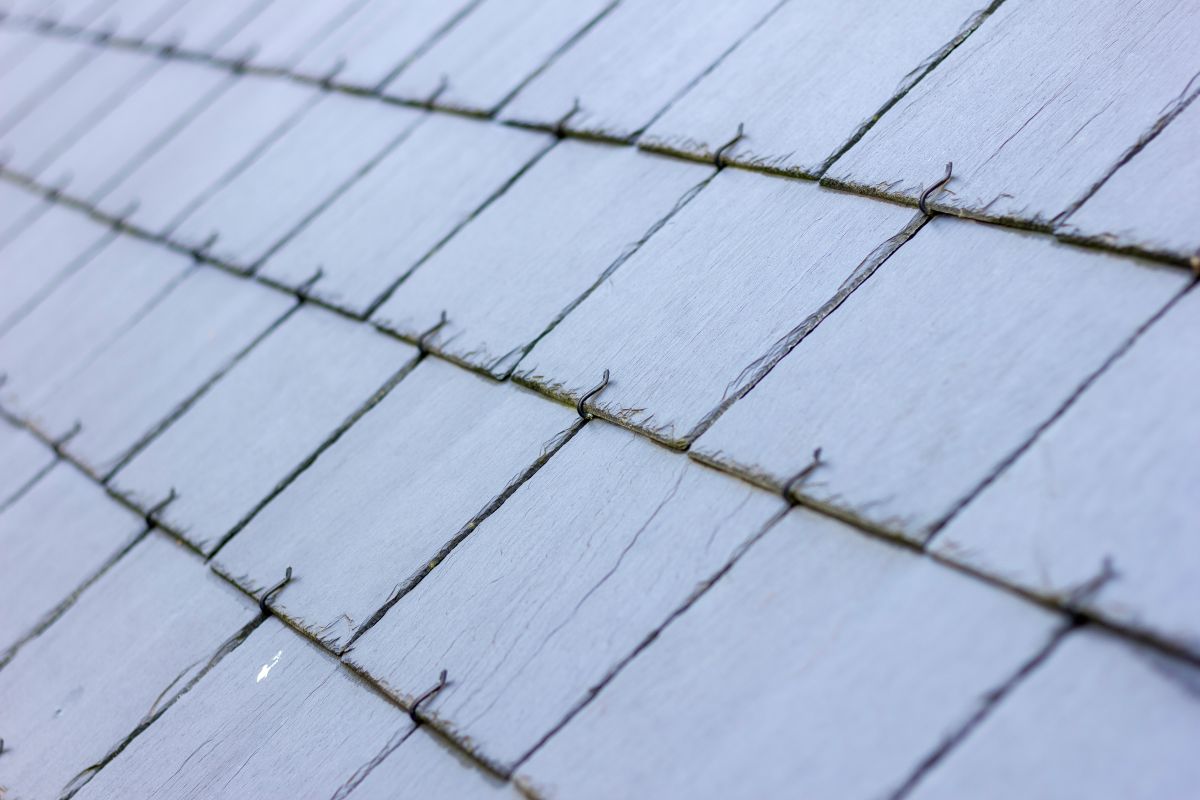
 04/07/2026
 5 minutes Read
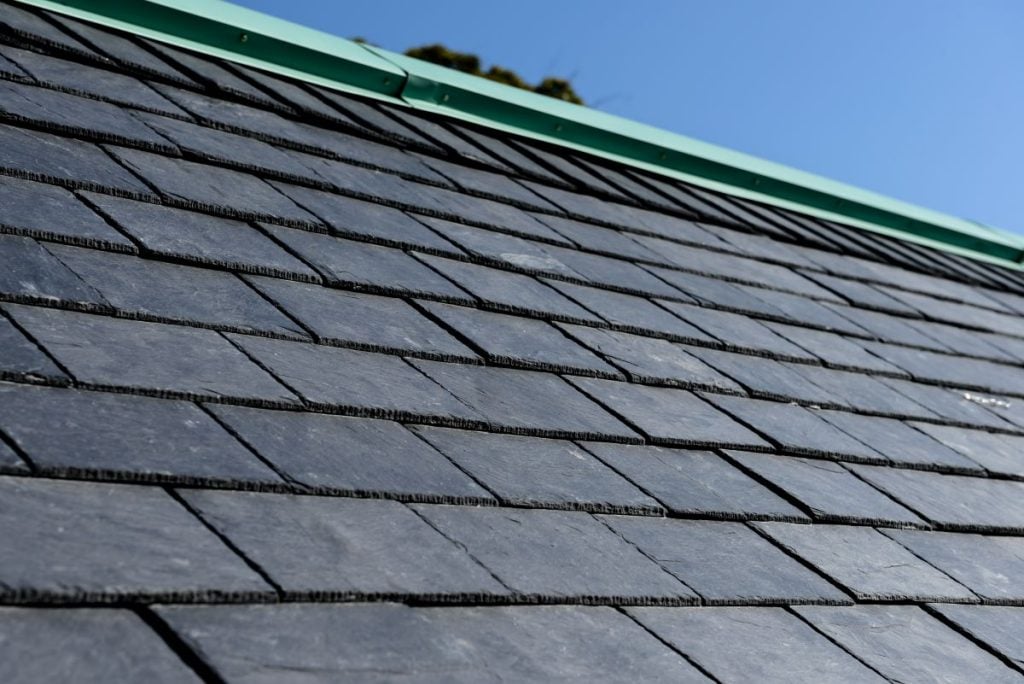
“How long does a slate roof last” is one of the most common questions homeowners ask when considering this premium roofing material. Slate roofs are widely known for their durability and timeless appearance, often lasting significantly longer than traditional asphalt shingles. However, actual lifespan depends on installation quality, maintenance, climate conditions, and the type of slate used.
For homeowners in Mooresville and surrounding areas, where humidity, seasonal storms, and temperature fluctuations can affect roofing systems, understanding slate longevity helps you plan for long term protection and value.
- Exceptional lifespan: Many slate roofs last 75 to 100 years or more.
- Premium durability: Natural stone resists fire, insects, and rot.
- Long term investment: Proper maintenance can extend performance for generations.
What Determines the Lifespan of a Slate Roof?
Slate is a natural stone material formed under intense pressure, which makes it incredibly dense and durable. However, while the tiles themselves may last a century, supporting components such as flashing, fasteners, and underlayment often require attention sooner.
In Mooresville and surrounding areas, climate plays an important role in longevity. Heavy rainfall, humidity, and storm exposure can accelerate wear on metal components beneath the slate. Proper installation and ongoing inspections are essential to achieving maximum lifespan.
Average Slate Roof Lifespan
Not all slate roofs are identical. The type and grade of slate influence durability.
- Standard slate: Typically lasts 75 to 100 years.
- High density slate: Can exceed 100 years with proper care.
- Lower grade slate: May show deterioration closer to 50 to 75 years.
While slate tiles themselves are extremely resilient, improper installation can dramatically shorten lifespan. This is why working with experienced roofing professionals is critical.
8 Tips to Maximize Slate Roof Longevity
Extending the life of a slate roof requires proactive maintenance and timely repairs. Below are eight practical tips homeowners should follow.
1. Schedule Regular Professional Inspections
Routine inspections help identify minor issues before they escalate into costly damage. Professionals can detect cracked tiles, corroded flashing, and loose fasteners that may not be visible from the ground.
In Mooresville and surrounding areas, inspections after major storms are particularly important.
- Annual inspection: Recommended at least once per year.
- Post storm checks: Essential after high wind or hail events.
- Early detection: Prevents water intrusion and deck damage.
2. Replace Broken Tiles Promptly
Even a single cracked slate tile can allow water beneath the surface. Timely replacement protects the underlayment and roof deck.
- Avoid temporary patches: Improper repairs can worsen damage.
- Use matching slate: Ensures structural and aesthetic consistency.
- Secure proper fastening: Prevents shifting during storms.
3. Maintain Flashing and Metal Components
Flashing often fails before slate tiles do. Rusted or deteriorating flashing around chimneys and valleys can cause leaks even when tiles remain intact.
- Inspect metal annually: Look for rust or separation.
- Replace aging flashing: Prevent long term water intrusion.
- Seal penetrations properly: Around vents and skylights.
4. Keep Gutters and Valleys Clear
Clogged gutters can cause water to back up under slate tiles. Regular cleaning ensures proper drainage.
- Remove leaves and debris: Especially during fall.
- Check valley channels: Prevent pooling in concentrated runoff areas.
- Ensure proper slope: Supports effective water flow.
5. Prevent Moss and Algae Growth
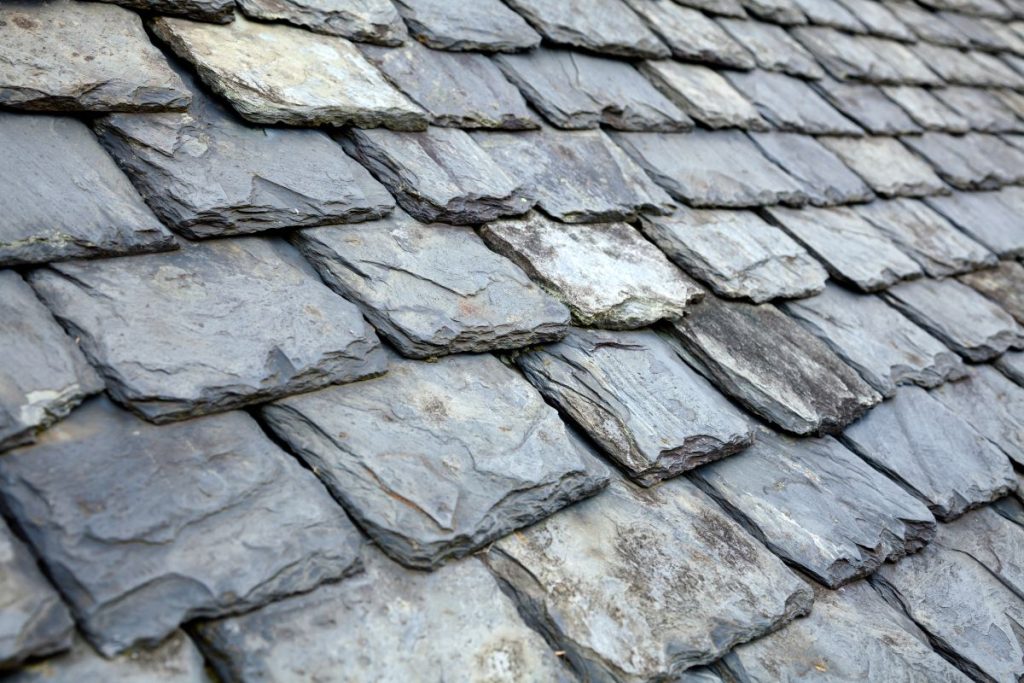
While slate is durable, excessive moss growth can trap moisture and add weight stress.
- Trim nearby trees: Improve sunlight exposure.
- Install zinc or copper strips: Help inhibit organic growth.
- Avoid harsh pressure washing: Protect tile integrity.
In humid climates like Mooresville and surrounding areas, managing moisture buildup is key to longevity.
6. Avoid Walking on the Roof
Slate tiles are strong but brittle under concentrated weight. Walking on a slate roof can crack tiles and shorten its lifespan.
- Limit foot traffic: Only trained professionals should access the roof.
- Use proper equipment: Roofing contractors use specialized tools.
- Avoid DIY inspections: Prevent accidental damage.
7. Monitor Attic Ventilation
Proper attic ventilation prevents moisture buildup beneath the roof deck. Excess humidity can weaken underlayment and fasteners over time.
- Ensure airflow balance: Intake and exhaust vents working together.
- Check insulation levels: Prevent condensation issues.
- Inspect for mold: Indicates moisture imbalance.
8. Address Structural Issues Immediately
If you notice sagging rooflines or interior ceiling cracks, underlying structural concerns may exist.
- Inspect roof deck: Ensure proper support.
- Reinforce framing if needed: Slate is heavier than other materials.
- Consult professionals: Structural repairs require expertise.
Prompt action protects both the slate and supporting components.
Slate vs Other Roofing Materials
Understanding how slate compares to other roofing options highlights its longevity advantage.
| Roofing Material | Average Lifespan | Maintenance Level |
| Asphalt Shingles | 20 to 30 years | Moderate |
| Metal Roofing | 40 to 70 years | Low |
| Wood Shake | 30 to 40 years | High |
| Slate Roofing | 75 to 100+ years | Low to Moderate |
Slate consistently outperforms most alternatives in long term durability.
When Slate Roof Replacement Becomes Necessary
Even with proper maintenance, slate roofs eventually require replacement. Signs include widespread tile cracking, severe flashing corrosion, sagging structure, and repeated leaks.
For homeowners in Mooresville and surrounding areas, professional evaluation ensures accurate assessment of repair versus replacement decisions.
Is Slate Worth the Investment?
Although slate installation costs more upfront, its longevity often offsets replacement cycles required by other materials. When maintained correctly, a slate roof may last for generations.
- High resale value: Adds premium appeal to homes.
- Fire resistant: Natural stone is non combustible.
- Low long term replacement frequency: Reduces lifecycle costs.
Homeowners seeking durability and long term reliability often find slate to be a worthwhile investment.
Protecting Your Slate Roof for Decades
So, how long does a slate roof last? With proper installation, maintenance, and professional inspections, many slate roofs last 75 to 100 years or longer. While supporting components may require periodic updates, the slate itself remains one of the most durable roofing materials available.
Roof Medic proudly supports homeowners in Mooresville and surrounding areas with expert inspections and guidance tailored to slate roofing systems. Protecting your slate roof today ensures lasting performance for decades to come.
Reach out to Roof Medic for expert guidance on maintaining and protecting your slate roof investment.