704.228.7788
 01/15/2026
 6 minutes Read
Hail damage to shingles can often go unnoticed until leaks or structural problems appear. Even small impacts from hailstones can weaken shingle granules, crack the surface, or expose the underlayment to moisture. Understanding how to identify damage early helps homeowners take timely action and prevent more costly roof repairs in the future.
For homeowners in Matthews and surrounding areas, hailstorms can happen without warning and leave subtle but serious effects on a roof. Knowing what to look for after a storm ensures your roof remains strong, weather-tight, and ready for future weather events.
- Early detection: Identifying hail damage quickly prevents leaks and further deterioration.
- Roof protection: Spotting surface wear and granule loss helps maintain long-term durability.
- Peace of mind: Regular inspections reduce repair costs and extend your roof’s lifespan.
Why Hail Damage Shouldn’t Be Ignored
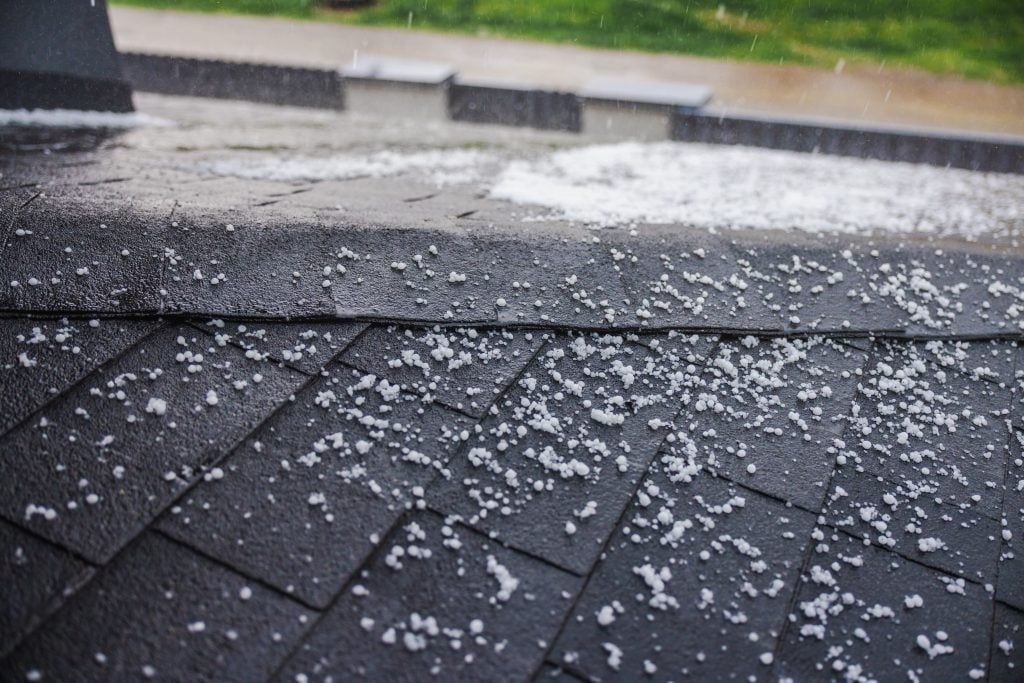
Even minor roof damage can lead to long-term structural issues if left untreated. Granule loss, shingle cracks, and hidden impact marks allow water to penetrate deeper layers of the roof over time. Regular inspections after severe weather are essential to preserving the health and performance of your roofing system.
Common Types of Roofs Affected
- Asphalt shingles: Most vulnerable to denting, cracking, and granule loss.
- Architectural shingles: More durable but can still experience bruising or displaced granules.
- Metal roofing: Resistant to punctures but may show dents or coating wear.
Each material reacts differently to hail, but all benefit from professional inspection following a storm.
8 Signs of Hail Damage to Shingles
If your home recently endured a severe storm, look for these telltale signs of hail impact. Spotting them early helps you decide whether to schedule a professional inspection or roof repair.
1. Dented or Bruised Shingles
Hailstones can leave small, round indentations on the surface of shingles. These dents may look minor but often signal deeper bruising that weakens the asphalt layer.
- Soft spots: Pressing gently may reveal areas that feel spongy or loose.
- Dark spots: Dents often appear darker as granules are displaced.
- Hidden weakness: Bruised shingles can crack later, even if they look fine initially.
2. Granule Loss
Granules protect shingles from UV rays and water damage. Hail impact often knocks them loose, exposing the asphalt beneath.
- Bare patches: Visible spots where granules have been stripped away.
- Clogged gutters: Granules accumulating in downspouts or gutters after a storm.
- Color inconsistencies: Lighter areas on the roof indicate missing granule coverage.
Consistent granule loss shortens the roof’s lifespan and increases the risk of leaks.
3. Cracked or Split Shingles
Shingles can fracture under the force of hail, particularly when temperatures are low and materials become brittle.
- Clean splits: Straight cracks that follow hail impact points.
- Edge fractures: Chips or broken corners caused by repeated strikes.
- Compromised seal: Damaged shingles allow moisture infiltration beneath the surface.
Cracks of any size should be repaired promptly to prevent long-term water intrusion.
4. Exposed Underlayment
When granules and asphalt layers are stripped away, the underlayment or fiberglass mat beneath can become visible.
- White or black patches: Indicate the top layers have been removed entirely.
- Worn edges: Damage often appears along roof ridges or eaves.
- Immediate concern: Exposed layers make the roof highly vulnerable to leaks.
If you notice exposed areas, a professional inspection is strongly recommended.
5. Dented Gutters and Downspouts
Hail doesn’t just damage shingles — it also leaves marks on metal components.
- Visible dents: Check gutters, flashing, and vents for circular dings or deformations.
- Paint damage: Chipped or scraped finishes reveal impact severity.
- Water flow issues: Dented gutters can lead to improper drainage and overflow.
Inspecting gutters after a storm offers valuable clues about hail size and roof damage.
6. Damaged Roof Flashing and Vents
Metal flashing and vent covers take the brunt of hail impact during storms.
- Dings and creases: Small depressions weaken protective coatings.
- Sealant separation: Impact can break the watertight seal around vents and joints.
- Rust formation: Damaged coatings allow corrosion to develop over time.
Addressing flashing and vent issues promptly prevents water from entering critical roof seams.
7. Interior Water Stains or Leaks
Sometimes, the first sign of hail damage appears inside the home.
- Ceiling spots: Brown or yellow stains signal water intrusion from roof damage.
- Wall discoloration: Water can travel along framing and appear away from the leak source.
- Musty odors: Indicate trapped moisture or early mold growth.
If interior signs appear days or weeks after a storm, the roof likely sustained hidden damage.
8. Damaged Siding or Window Frames
Exterior surfaces around the roofline can provide additional evidence of hail impact.
- Chipped paint: Frequent hail impacts can strip protective coatings from siding.
- Cracked trim: Indicates large hailstones struck with significant force.
- Comprehensive inspection: Damaged siding often correlates with shingle impacts above.
Checking the entire exterior helps confirm whether roof damage is isolated or widespread.
When to Schedule a Professional Roof Inspection
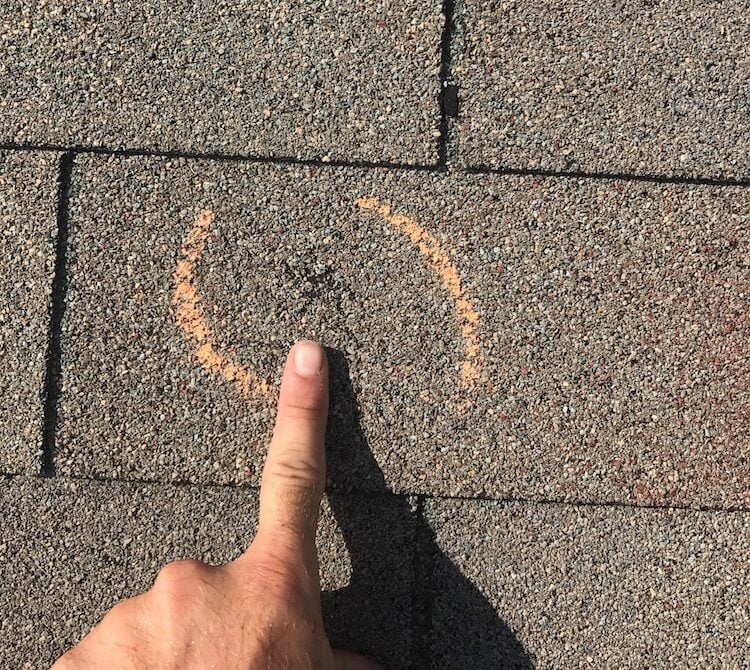
If you suspect hail damage, contact a qualified roofing contractor as soon as possible. Professionals use specialized tools to assess impact points, determine severity, and recommend repair or replacement when needed.
Why Professional Assessment Matters
- Accurate diagnosis: Detects damage not visible from ground level.
- Warranty protection: Many manufacturers require professional inspections for claim approval.
- Insurance documentation: Detailed inspection reports support accurate claim filing.
Homeowners in Matthews and surrounding areas benefit from working with experienced local contractors familiar with storm-related roofing damage.
Preventing Future Hail Damage
While no roof is completely hail-proof, taking proactive steps can help minimize future risks.
- Choose impact-resistant shingles: Class 4-rated materials provide superior protection.
- Schedule routine inspections: Annual maintenance ensures early detection of wear.
- Trim overhanging branches: Reduces the chance of secondary impact from falling debris.
These measures strengthen your roof’s defense against future storms.
Stay Ahead of Hail Damage With Regular Inspections
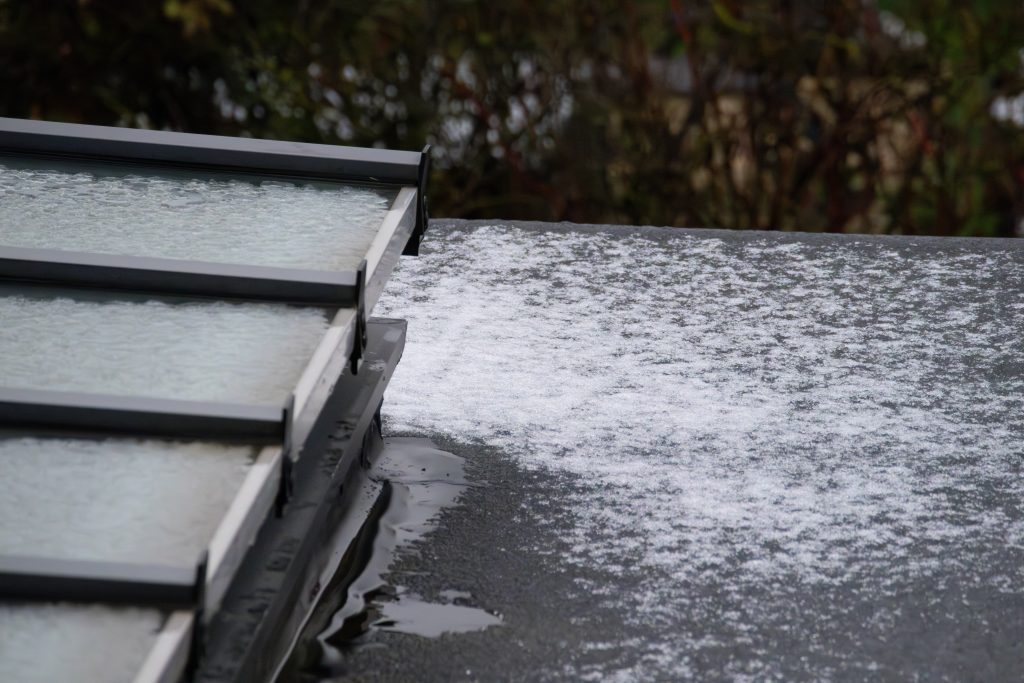
Hail damage to shingles can compromise roof performance long before leaks appear. By learning to recognize the warning signs and scheduling regular inspections, homeowners can protect their property, reduce repair costs, and extend their roof’s life.
Roof Medic proudly helps homeowners in Matthews and surrounding areas assess, maintain, and protect their roofs year-round. Catching damage early ensures your home remains secure, efficient, and ready for the next storm.
Reach out to Roof Medic today for expert guidance on identifying and addressing hail damage to shingles.