704.228.7788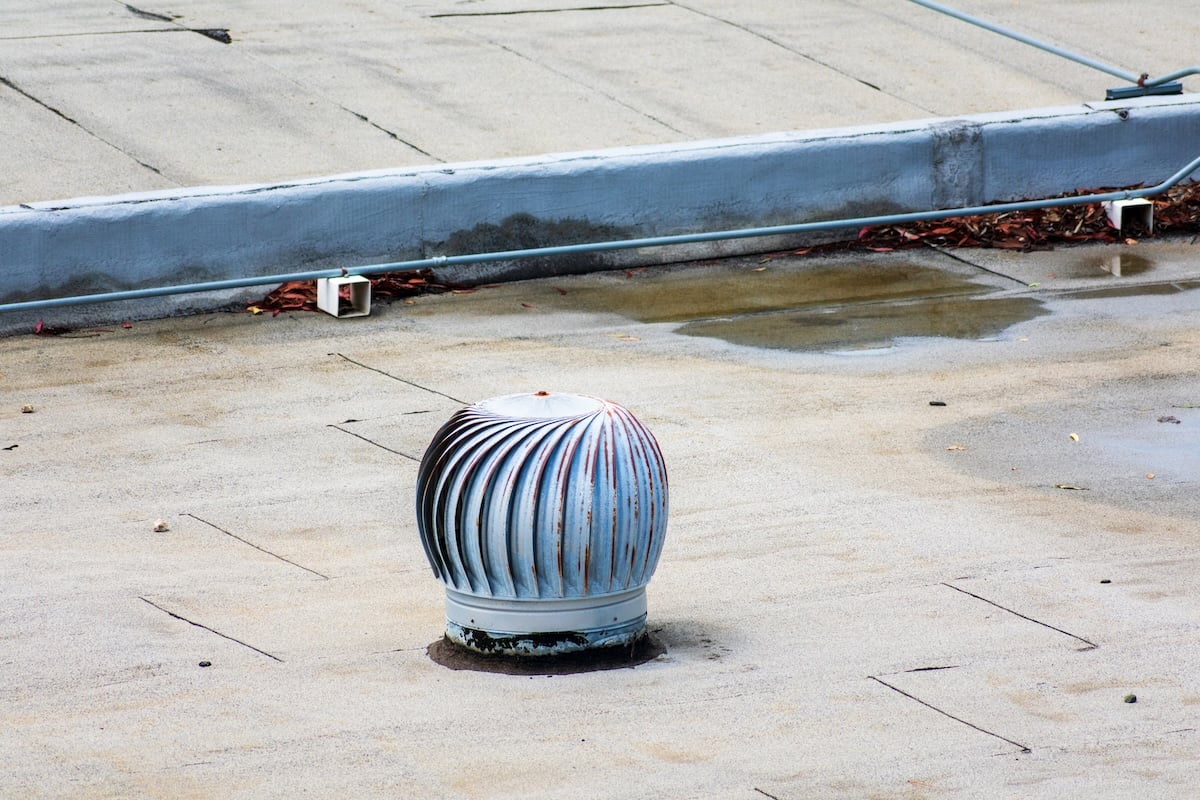
 12/18/2025
 5 minutes Read
Proper flat roof ventilation is critical to maintaining the performance, longevity, and energy efficiency of commercial buildings. Without adequate airflow, trapped heat and moisture can cause damage to insulation, roofing materials, and even the structure beneath. For business owners, understanding the signs of poor ventilation can prevent costly repairs and operational disruptions down the line.
In areas like Mint Hill and surrounding areas, where humidity and temperature changes are common, poor ventilation can accelerate roof deterioration and lead to avoidable maintenance issues. Recognizing these early warning signs can help you take corrective action before small problems become major expenses.
- Prevent structural damage: Adequate ventilation reduces trapped moisture that can weaken roof components over time.
- Improve energy efficiency: Balanced airflow helps regulate indoor temperatures and reduce HVAC strain.
- Extend roof lifespan: Proper ventilation minimizes heat and moisture buildup, preserving the roof’s integrity for years.
Why Flat Roof Ventilation Matters
Flat and low-slope commercial roofs differ from pitched residential systems because they rely on internal airflow and proper insulation balance rather than attic ventilation. Without consistent airflow, moisture accumulates within the roofing assembly, creating conditions that weaken materials and compromise energy performance.
The Role of Ventilation in Roof Performance
- Regulates temperature: Prevents heat buildup that damages membranes and insulation.
- Controls moisture: Reduces the risk of condensation inside the roof structure.
- Extends lifespan: Helps materials maintain strength and flexibility over time.
A well-ventilated flat roof protects your building’s structure while keeping energy bills under control.
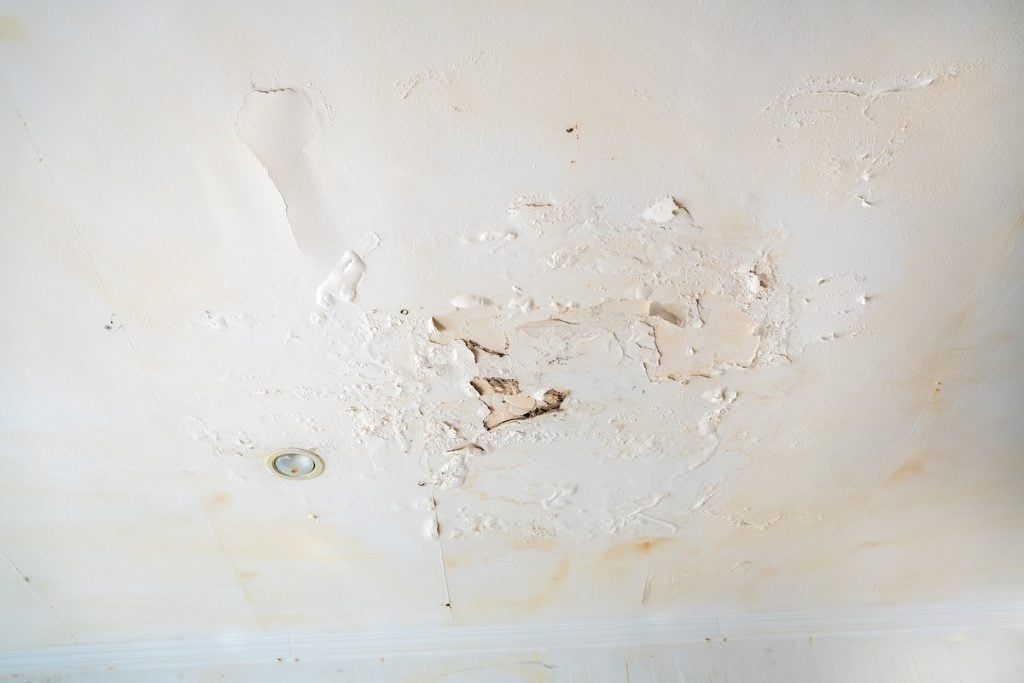
5 Signs of Poor Flat Roof Ventilation
When flat roof ventilation is inadequate, the effects usually appear gradually but become increasingly costly if ignored. Here are five of the most common warning signs that your commercial roof needs attention.
1. Blistering or Bubbling on the Roof Surface
One of the earliest signs of poor ventilation is the appearance of blisters or bubbles on the roof membrane. These form when trapped moisture or air expands beneath the surface, weakening adhesion and creating visible distortions.
- Heat expansion: Trapped air expands during hot weather, pushing against the membrane.
- Water vapor buildup: Moisture from below can’t escape, creating pressure pockets.
- Long-term impact: Can lead to leaks or full membrane failure if untreated.
If you notice bubbling or soft spots on your commercial roof in Mint Hill and surrounding areas, it’s important to have a professional inspection right away.
2. Condensation Inside the Building
Moisture accumulation inside the building is another clear indication of ventilation problems. You may notice damp ceilings, wet insulation, or visible water droplets forming in interior spaces.
- Temperature imbalance: Warm indoor air meets a cool roof surface, creating condensation.
- Hidden leaks: Poor airflow can mask roof leaks by trapping moisture inside layers.
- Structural risks: Persistent dampness leads to rot, mold, and insulation breakdown.
Proper ventilation allows moisture to escape naturally, preventing long-term damage to your building’s interior.
3. Unusually High Energy Bills
If your energy costs have risen unexpectedly, poor ventilation could be to blame. Inadequate airflow forces HVAC systems to work harder to regulate indoor temperatures.
- Heat buildup: Poor ventilation traps hot air, raising cooling demands in summer.
- Inefficient insulation: Moisture-saturated insulation loses thermal resistance.
- Inconsistent temperatures: Leads to discomfort in workspaces and increased energy use.
For commercial properties in Mint Hill and surrounding areas, improving roof ventilation can reduce energy waste and stabilize monthly utility costs.
4. Odors or Mold Growth
Persistent musty smells or visible mold near the ceiling are often linked to poor roof ventilation. When moisture can’t escape, it creates a breeding ground for bacteria and fungal growth.
- Air quality issues: Mold spores can spread through HVAC systems, affecting occupants.
- Surface stains: Dark streaks or discoloration indicate trapped moisture below the roof deck.
- Health and safety concerns: Mold exposure can lead to respiratory irritation and compliance risks.
Identifying and addressing mold early helps maintain indoor air quality and avoids costly remediation later.
5. Premature Roof Aging or Deterioration
Even the most durable flat roofing systems can deteriorate quickly without proper ventilation. Excessive heat and trapped moisture break down adhesives, membranes, and insulation faster than normal.
- Cracking or peeling: Indicates thermal stress or material fatigue.
- Warped seams: Expansion and contraction cycles weaken roof joints.
- Shortened lifespan: A poorly ventilated roof may fail years earlier than expected.
Routine inspections and airflow assessments are essential to prevent premature aging and protect your roofing investment.
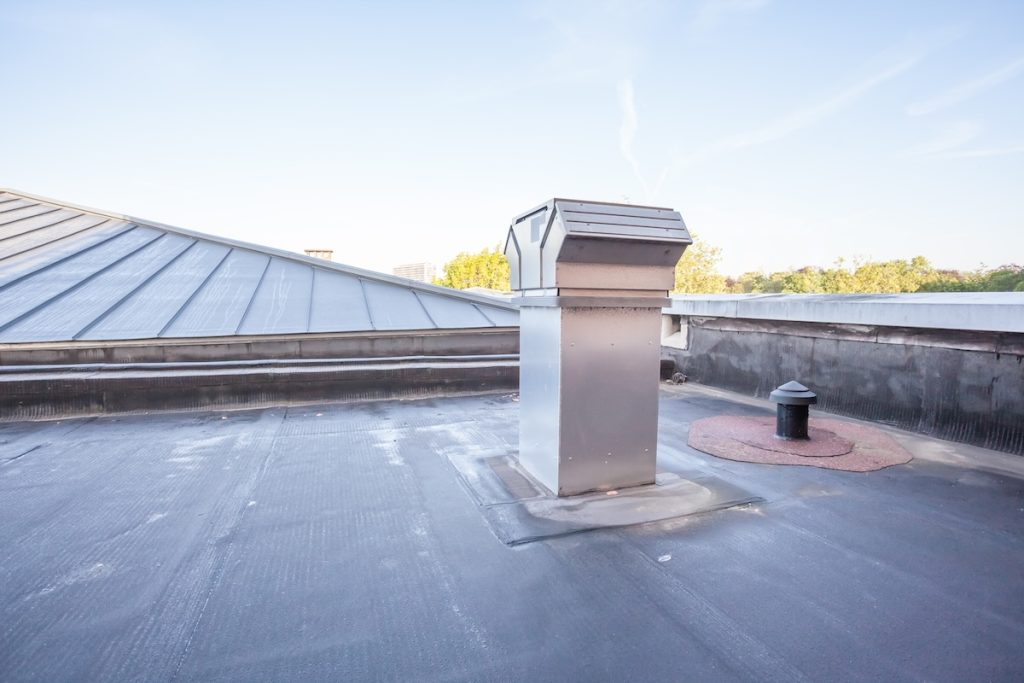
How to Improve Flat Roof Ventilation
Addressing poor ventilation requires a combination of professional evaluation and system upgrades. The right approach depends on your roof’s design, material, and existing airflow systems.
Proven Solutions
- Install roof vents: Improves air exchange and releases trapped heat.
- Add vapor barriers: Prevents condensation within the insulation layers.
- Upgrade insulation: Modern materials balance temperature and humidity more effectively.
- Seal leaks: Ensures air movement is controlled and moisture-free.
A commercial roofing expert can assess your system and recommend ventilation strategies specific to your building and climate.
Long-Term Benefits of Proper Ventilation
Investing in proper ventilation provides ongoing advantages for commercial property owners.
- Extended roof lifespan: Prevents moisture-related deterioration.
- Lower operating costs: Reduces energy consumption and HVAC strain.
- Improved comfort: Maintains consistent indoor temperatures for employees and tenants.
For businesses in Mint Hill and surrounding areas, these benefits translate to stronger building performance and reduced maintenance over time.
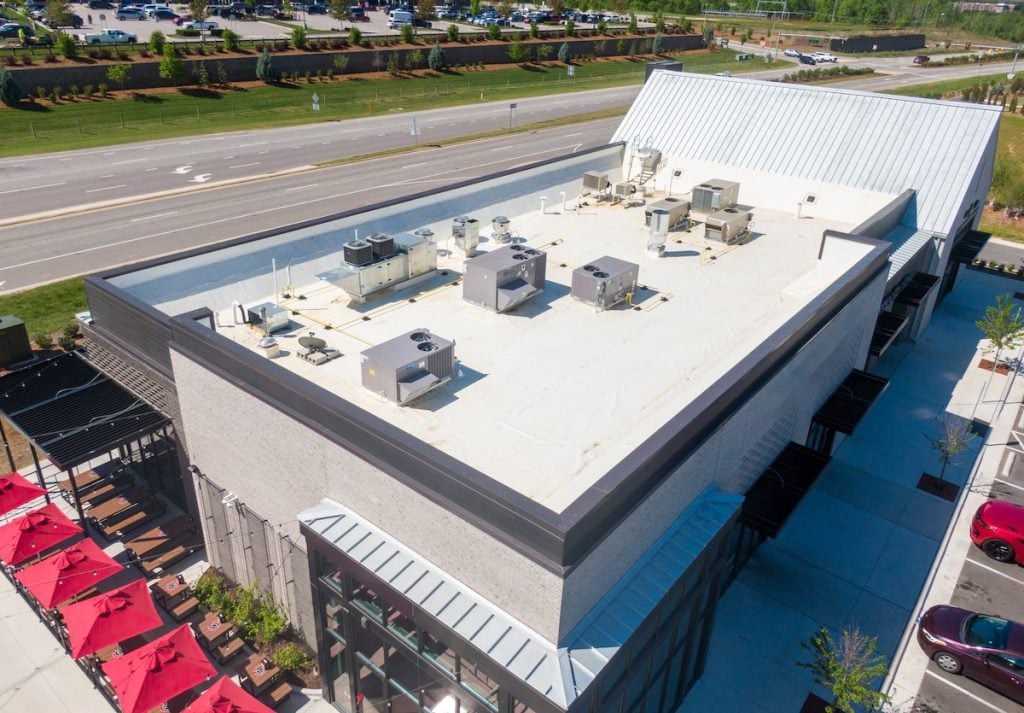
Protect Your Investment With Proper Ventilation
Flat roof ventilation plays a crucial role in protecting your commercial property from moisture damage, energy inefficiency, and costly repairs. Identifying early warning signs and taking proactive steps helps maintain your building’s performance for years to come.
Roof Medic proudly supports business owners in Mint Hill and surrounding areas with expert commercial roofing guidance. Proper ventilation ensures your roof system stays efficient, safe, and durable — even through challenging weather conditions.
Reach out to Roof Medic today for expert guidance on maintaining and improving your flat roof ventilation system.