704.228.7788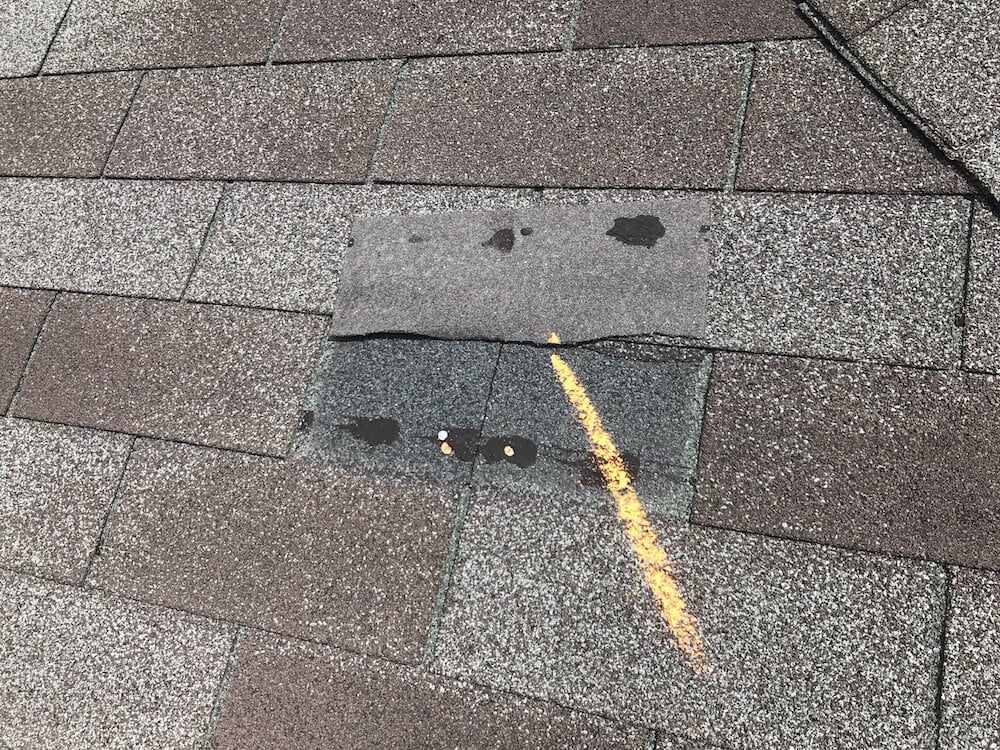
 03/17/2026
 7 minutes Read
Are you asking yourself, “Does homeowners insurance cover wind damage to roof”? The answer is often yes, but it depends on your specific policy, the cause of damage, and the condition of your roof prior to the storm. Understanding what is typically covered and what is excluded can help homeowners avoid surprises when filing a claim after severe weather.
For homeowners in Ballantyne and surrounding areas, strong windstorms, tropical systems, and seasonal weather shifts can put significant stress on roofing systems. Knowing how your insurance policy responds to wind damage allows you to act quickly and confidently when storms hit.
- Policy clarity: Understanding coverage prevents claim misunderstandings.
- Faster response: Knowing what to document speeds up approval.
- Financial protection: Proper coverage reduces out-of-pocket expenses.
Understanding Wind Damage to Roofs
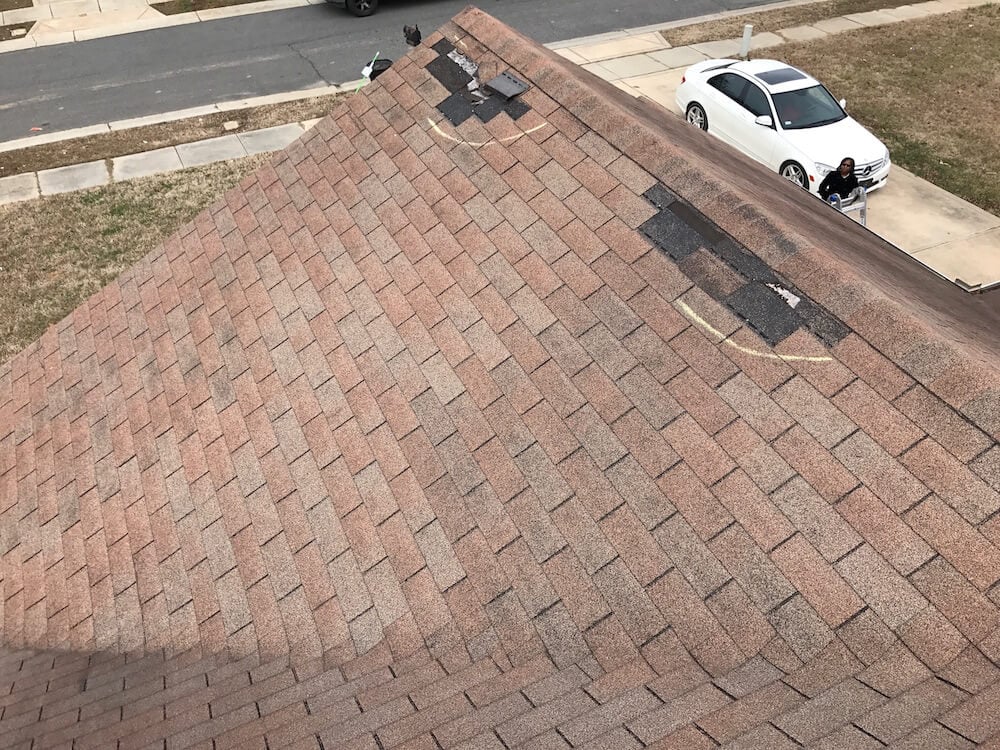
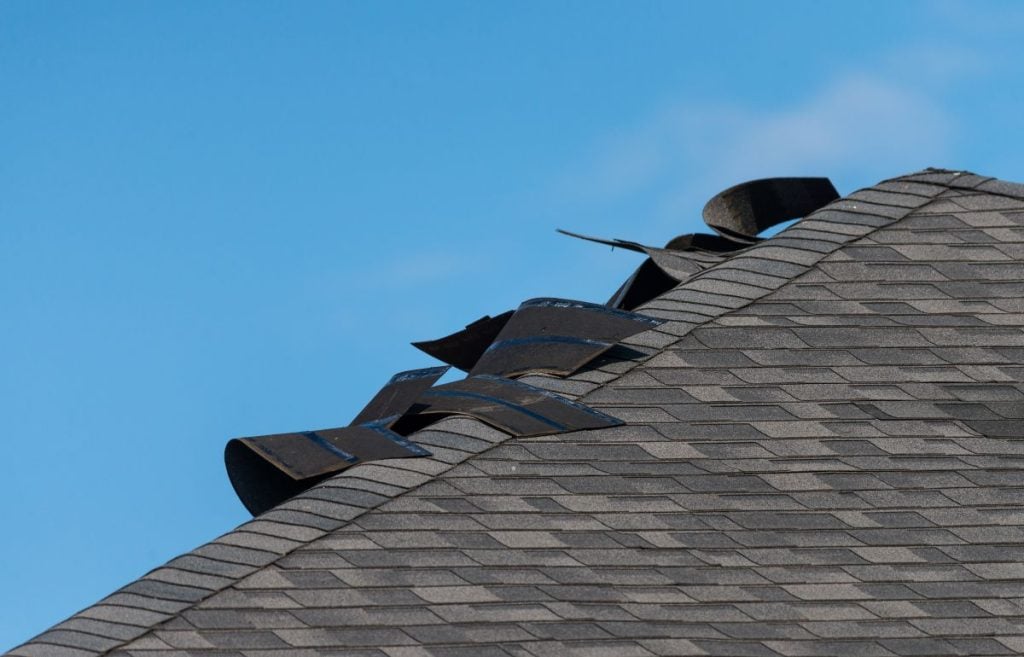
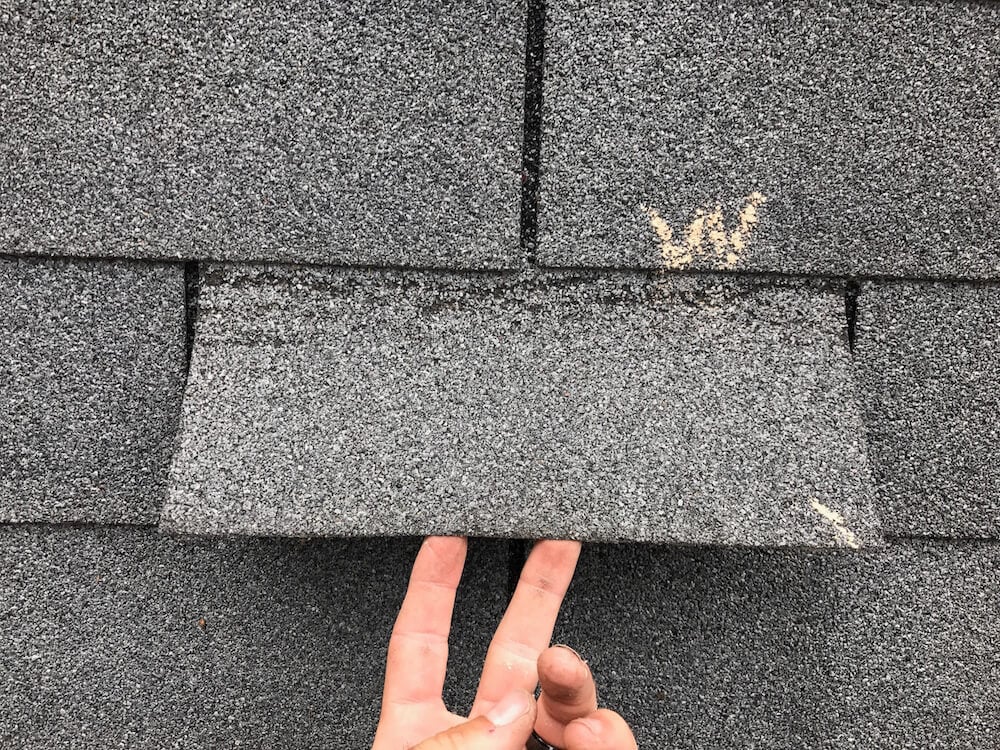
Wind damage can range from minor shingle lifting to major structural failure. High gusts may loosen flashing, tear off shingles, or create small openings that allow water infiltration. Even moderate wind events can weaken seals and fasteners over time.
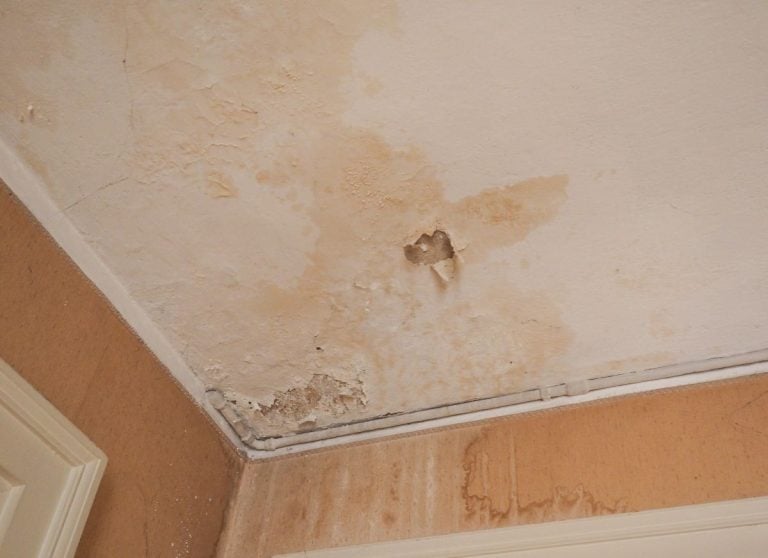
In Ballantyne and surrounding areas, wind damage often occurs alongside heavy rain, increasing the risk of leaks. When wind compromises the outer layer of your roof, water intrusion can follow quickly, leading to ceiling stains, insulation damage, and mold growth.
What Homeowners Insurance Typically Covers
Most standard homeowners insurance policies include coverage for wind damage as part of covered perils. However, coverage details vary depending on policy type and endorsements.
- Sudden wind events: Storm related wind damage is generally covered.
- Fallen tree impact: If wind causes a tree to strike your roof, repairs are typically included.
- Shingle replacement: Missing or torn shingles caused by wind may qualify.
- Interior water damage: If wind damage allows rain inside, resulting damage may be covered.
Insurance is designed to cover sudden and accidental events, not gradual wear and tear.
What Is Usually Not Covered
While wind damage itself is often covered, certain conditions can lead to claim denial.
- Pre existing damage: If your roof was already deteriorating, the insurer may deny coverage.
- Neglect or lack of maintenance: Clogged gutters or old shingles may reduce claim eligibility.
- Cosmetic damage only: Minor lifting or appearance issues may not qualify.
- Policy exclusions: Some high wind regions require separate windstorm endorsements.
Reviewing your policy before storm season helps clarify potential limitations.
6 Factors That Affect Your Claim Approval
Insurance companies evaluate several elements before approving a wind damage claim. Even if your policy includes wind coverage, approval depends on documentation, roof condition, and how the damage occurred. Understanding these six factors helps homeowners in Ballantyne and surrounding areas prepare for smoother claim processing and realistic payout expectations.
1. Roof Age
The age of your roof plays a major role in how much compensation you receive. Insurance providers consider the expected lifespan of your roofing material when determining payout amounts. A newer roof that sustains wind damage is more likely to qualify for full repair or replacement coverage, while an older roof may be depreciated significantly under an actual cash value policy.
- Newer roofs: More likely to qualify for full replacement cost coverage.
- Aging systems: Often reimbursed at depreciated value.
- Near end-of-life roofs: May trigger partial coverage instead of full replacement.
2. Maintenance History
Insurance companies want proof that the roof was in good condition before the wind event. If routine maintenance was neglected, insurers may argue that deterioration contributed to the damage rather than the storm itself. Keeping inspection records and repair receipts strengthens your case.
- Inspection records: Annual inspections demonstrate responsible ownership.
- Repair documentation: Shows that prior issues were properly addressed.
- Clean gutters and flashing: Evidence of ongoing upkeep supports claims.
3. Extent of Damage
The scope of wind damage significantly influences whether your insurer approves a repair or full replacement. Isolated missing shingles may qualify for minor repair reimbursement, while widespread uplift across multiple slopes may justify replacement.
- Localized damage: Typically results in spot repairs.
- Multiple slopes affected: May support full replacement claims.
- Structural compromise: Often increases likelihood of broader coverage.
4. Policy Type
Your specific homeowners insurance policy determines how claims are calculated. Replacement cost policies pay to restore the roof to its original condition, while actual cash value policies subtract depreciation based on age and wear.
- Replacement cost policy: Covers full repair cost minus deductible.
- Actual cash value policy: Deducts depreciation before payout.
- Windstorm endorsement: Required in some regions for full wind coverage.
Homeowners in Ballantyne and surrounding areas should review their declarations page annually to confirm coverage type.
5. Deductible Amount
Windstorm deductibles may differ from your standard deductible. In some cases, wind damage deductibles are calculated as a percentage of your home’s insured value rather than a fixed dollar amount.
- Standard deductible: Flat amount deducted from claim payout.
- Percentage deductible: Based on home value and often higher.
- Separate wind deductible: May apply specifically to storm damage.
Understanding this detail prevents surprises when your claim is processed.
6. Timely Reporting
Delaying your claim can raise red flags with your insurance provider. Most policies require prompt reporting after a storm. Waiting weeks or months may lead to disputes about when the damage occurred.
- Immediate documentation: Take photos right after the storm.
- Schedule inspection quickly: Professional reports support your timeline.
- File claim promptly: Helps avoid denial due to late reporting.
Quick action after wind damage improves approval likelihood and speeds up repair timelines.
Replacement Cost vs Actual Cash Value
Understanding the difference between coverage types is essential.
| Coverage Type | What It Pays | Impact on You |
| Replacement Cost | Full cost to replace roof minus deductible | Lower out-of-pocket cost |
| Actual Cash Value | Depreciated value based on age and condition | Higher out-of-pocket expense |
If your roof is older, actual cash value policies may significantly reduce payout amounts.
How to File a Wind Damage Roof Claim
Taking the right steps after a storm strengthens your claim and speeds up processing.
- Inspect safely: Look for missing shingles, lifted edges, or debris impact.
- Document thoroughly: Take clear photos of visible damage.
- Schedule professional inspection: Obtain a written report from a roofing contractor.
- Contact your insurer promptly: Provide all documentation and storm details.
- Keep records: Save emails, claim numbers, and adjuster communications.
In Ballantyne and surrounding areas, windstorms can affect entire neighborhoods, so early claims often move faster.
Example Scenarios
Scenario 1: Missing Shingles After a Windstorm
A homeowner notices several shingles missing after strong gusts. A contractor confirms wind uplift damage. Insurance covers repair costs minus the deductible because the roof was properly maintained.
Scenario 2: Aging Roof With Minor Wind Damage
A 25 year old roof loses several shingles. The insurer approves a claim but pays based on depreciated value. The homeowner chooses to replace the entire roof for long term reliability.
Scenario 3: Interior Leak After High Winds
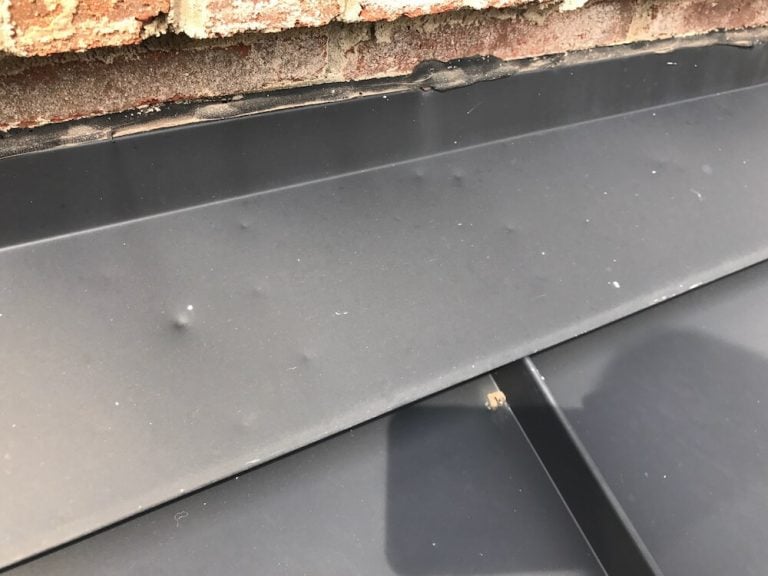
Wind lifts flashing around a vent, allowing rainwater to enter. The homeowner discovers water stains on the ceiling. Insurance covers flashing repair and interior drywall restoration.
How to Reduce Wind Damage Risk
While insurance helps financially, prevention is always better.
- Schedule annual inspections: Identify weak areas before storm season.
- Replace aging shingles: Older materials are more prone to uplift.
- Secure flashing and vents: Reinforce vulnerable areas.
- Trim nearby trees: Reduce impact risk from falling limbs.
Proactive maintenance helps homeowners in Ballantyne and surrounding areas reduce storm related claims.
When to Call a Professional
If you suspect wind damage but are unsure of its severity, professional evaluation is essential. Roofing contractors can identify hidden uplift damage that may not be visible from the ground.
Attempting DIY repairs can worsen damage and potentially affect insurance coverage. Professional documentation provides unbiased verification for your claim.
Know Your Coverage Before the Next Storm
Does homeowners insurance cover wind damage to roof issues in 2026? In most cases, yes — but policy details, roof age, and maintenance history all play a role in claim approval. Understanding your coverage before storm season ensures you can act quickly and confidently when severe weather strikes.
Roof Medic proudly supports homeowners in Ballantyne and surrounding areas with professional inspections and expert guidance following wind events. Proper documentation and timely action can make all the difference in protecting your home and finances.
Reach out to Roof Medic today for expert guidance on wind damage inspections and roof protection strategies.