704.228.7788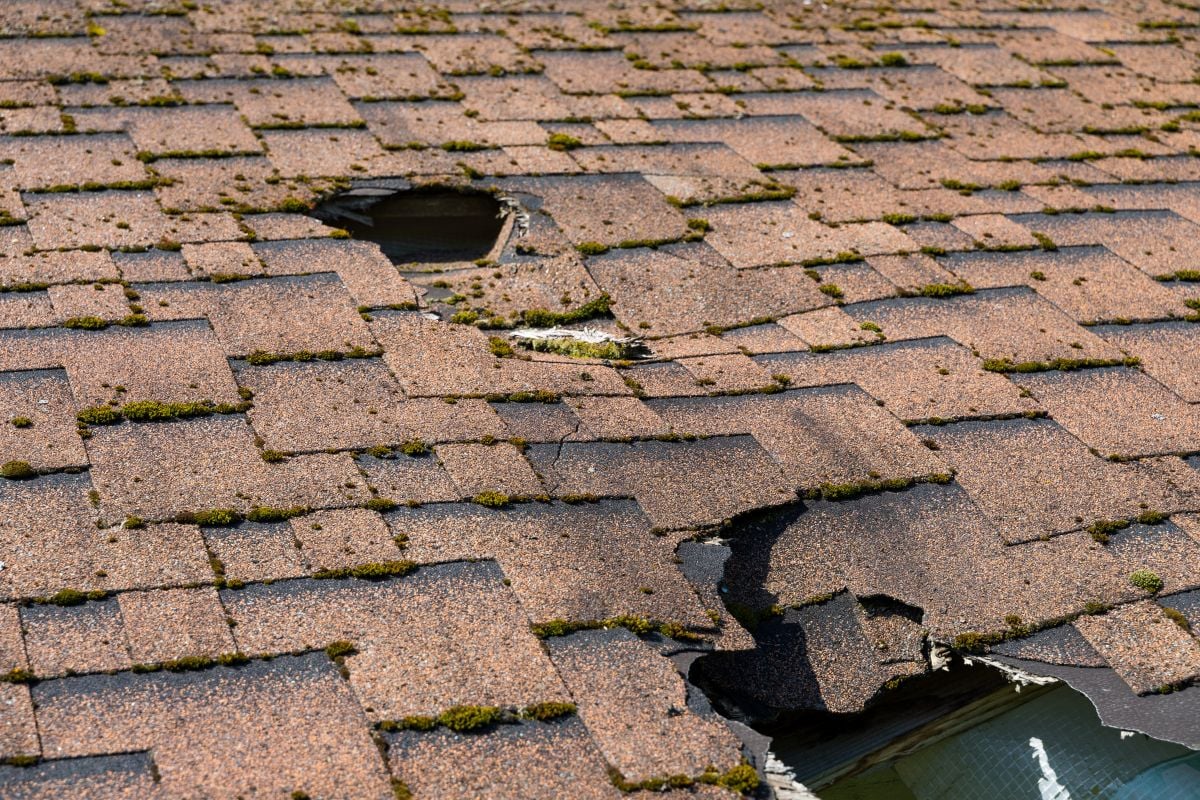
 02/10/2026
 5 minutes Read
Cracked shingles are one of the most common signs of roof wear that homeowners encounter. While a few small cracks may seem harmless, they can quickly lead to leaks, water damage, and reduced energy efficiency. Understanding what causes shingle cracking, and whether you should repair or replace them, can help protect your roof’s lifespan and prevent more costly issues down the road.
For homeowners in Raleigh and surrounding areas, the combination of heat, humidity, and storms puts extra stress on roofing materials. Identifying the root cause of cracks early ensures your roof continues performing its best year after year.
- Early detection: Catching cracks before they spread helps avoid widespread roof damage.
- Smart repair decisions: Knowing when to patch versus replace saves time and money.
- Longevity: Addressing the source of cracking extends your roof’s overall service life.
Why Shingles Crack Over Time
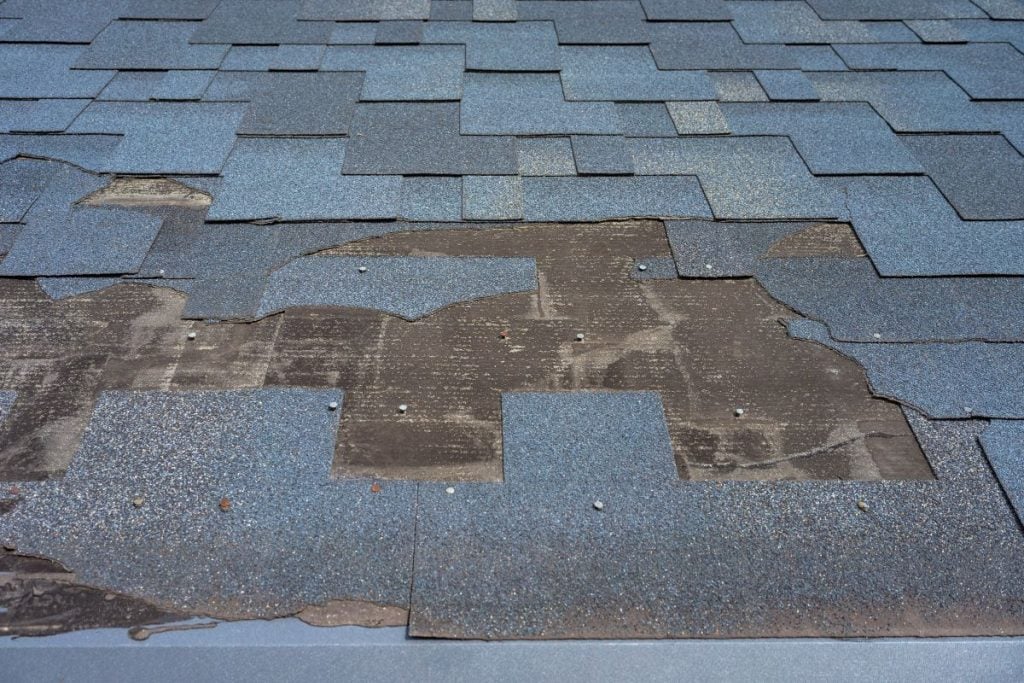
Shingles endure constant exposure to changing weather, temperature swings, and UV radiation. Over time, these conditions cause materials to expand, contract, and eventually lose flexibility. Cracking typically indicates that shingles are nearing the end of their useful life, but the severity and spread of the damage determine the right repair strategy.
7 Common Causes of Cracked Shingles
From natural aging to environmental stress, several factors contribute to shingle cracking. Understanding these causes helps you determine when repair is possible and when full replacement is necessary.
1. Age and Weathering
As shingles age, their protective oils and binders break down, causing the surface to become brittle. Years of exposure to sun, wind, and rain gradually wear down the material.
- Signs of aging: Curling edges, fading color, or granule loss.
- Repair or replace? Widespread cracking on an older roof usually means it’s time for replacement.
2. Poor Ventilation
Improper attic ventilation traps heat and moisture, which can cause shingles to dry out or blister from below. Over time, this imbalance weakens the material and leads to cracking.
- Signs of poor ventilation: Excess attic heat, condensation, or musty smells.
- Repair or replace? Improve ventilation first, then replace damaged shingles for lasting protection.
3. Thermal Expansion and Contraction
Roofs in Raleigh and surrounding areas experience large temperature fluctuations between seasons. This constant expansion and contraction can cause stress fractures in shingles.
- Resulting damage: Fine surface cracks that widen over time.
- Repair or replace? Minor cracks can be sealed, but recurring damage suggests aging materials.
4. Impact From Hail or Debris
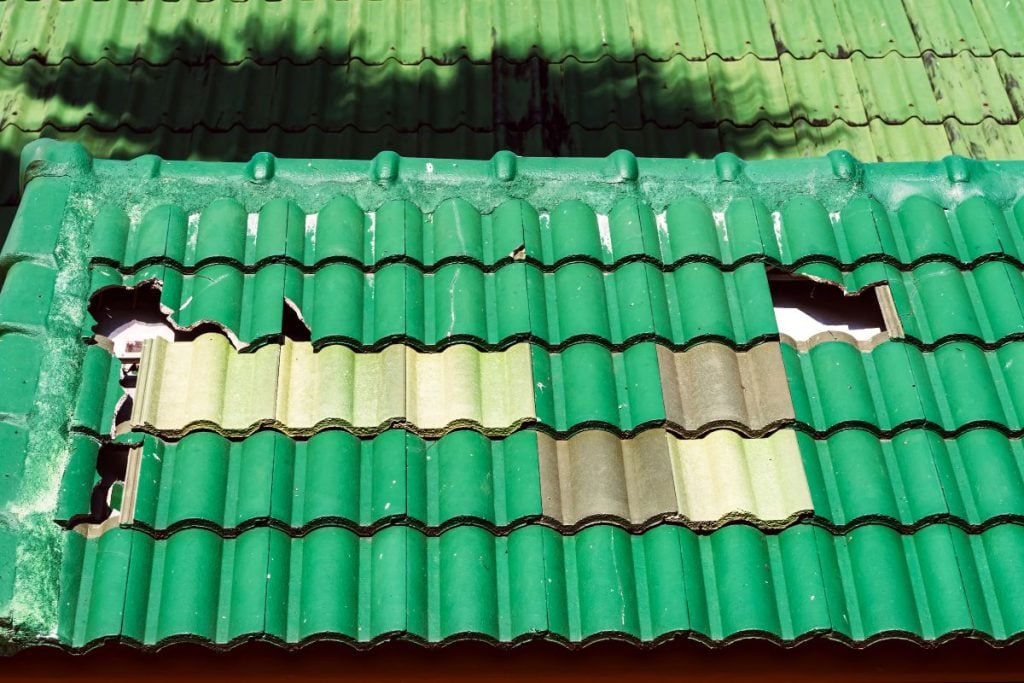
Storms can send hail, branches, or flying debris onto your roof, cracking or puncturing shingles upon impact. Even small dents can lead to deeper fractures that worsen with time.
- Indicators: Circular dents, chipped granules, or split corners.
- Repair or replace? Isolated impact areas can be patched, but widespread damage requires professional replacement.
5. Manufacturing Defects
In some cases, cracked shingles occur prematurely due to poor manufacturing or defective materials. These defects often show up within a few years of installation.
- What to check: Look for uniform cracking patterns or premature brittleness.
- Repair or replace? Contact your roofing contractor; defective shingles may be covered under manufacturer warranty.
6. Improper Installation
Incorrect installation techniques, such as overdriven nails or insufficient overlap, can weaken shingles and lead to cracking. Poor alignment also exposes edges to water intrusion and UV damage.
- Common mistakes: Nailing too tightly or too close to the shingle edge.
- Repair or replace? Affected sections may need to be redone to restore proper waterproofing.
7. UV and Heat Exposure
Constant sunlight and high rooftop temperatures accelerate the breakdown of asphalt binders in shingles. Prolonged UV exposure causes the surface to harden and crack, especially on older roofs.
- Visible symptoms: Fading color, brittleness, and surface splits.
- Repair or replace? Use reflective coatings for minor wear or replace aging shingles for long-term protection.
Should You Patch or Replace Cracked Shingles?
Deciding whether to patch or replace cracked shingles depends on the extent of damage and the roof’s age.
- Patch the damage: If the cracks are localized and the rest of the roof is in good condition, repair may be sufficient.
- Replace shingles: If cracking is widespread or linked to aging materials, replacement is the smarter investment.
- Professional inspection: A roofing expert can determine whether underlying issues, such as poor ventilation or flashing leaks, are contributing to the problem.
For homes in Raleigh and surrounding areas, where seasonal storms and heat can compound roof wear, regular inspections are essential to stay ahead of major repairs.
Preventing Shingle Cracking in the Future
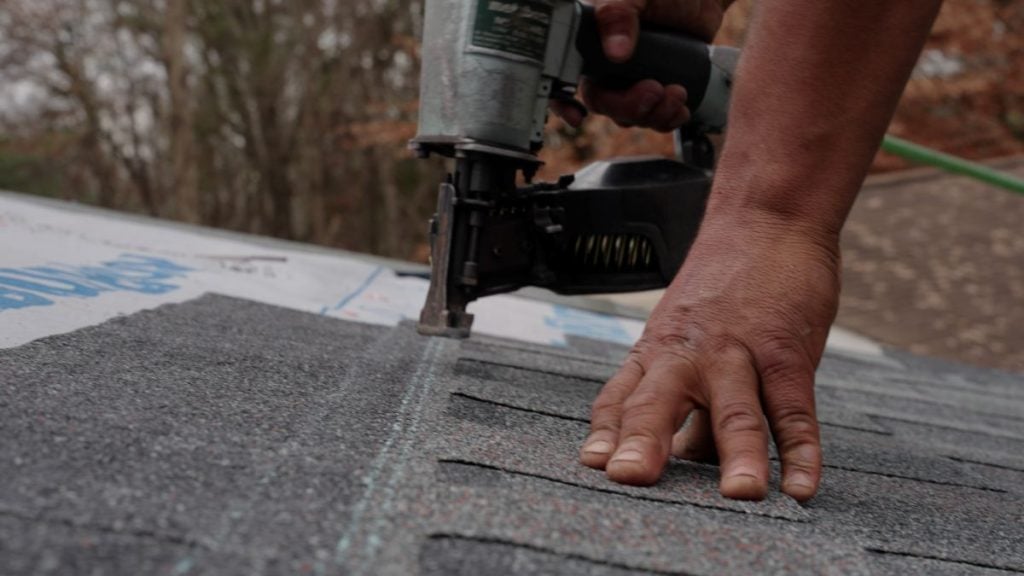
While some causes of cracking are unavoidable, preventive care can slow down the process and extend roof life.
- Maintain ventilation: Keep attic spaces properly vented to balance heat and humidity.
- Trim overhanging branches: Prevents debris impact and shade-related moisture buildup.
- Clean gutters regularly: Ensures proper water flow and reduces pooling near shingle edges.
- Schedule inspections: Have your roof checked at least once a year or after severe weather.
Consistent upkeep helps protect your investment and ensures your roofing system continues performing as intended.
Repair Today, Protect Tomorrow
Cracked shingles may start small, but they can quickly compromise your roof’s integrity if ignored. Whether the solution is patching a few damaged areas or replacing aging materials entirely, timely action helps prevent more costly water intrusion and structural issues.
Roof Medic proudly helps homeowners in Raleigh and surrounding areas identify, repair, and prevent shingle damage with trusted expertise and lasting results.
Reach out to Roof Medic today for expert guidance on diagnosing and addressing cracked shingles.