
 704.228.7788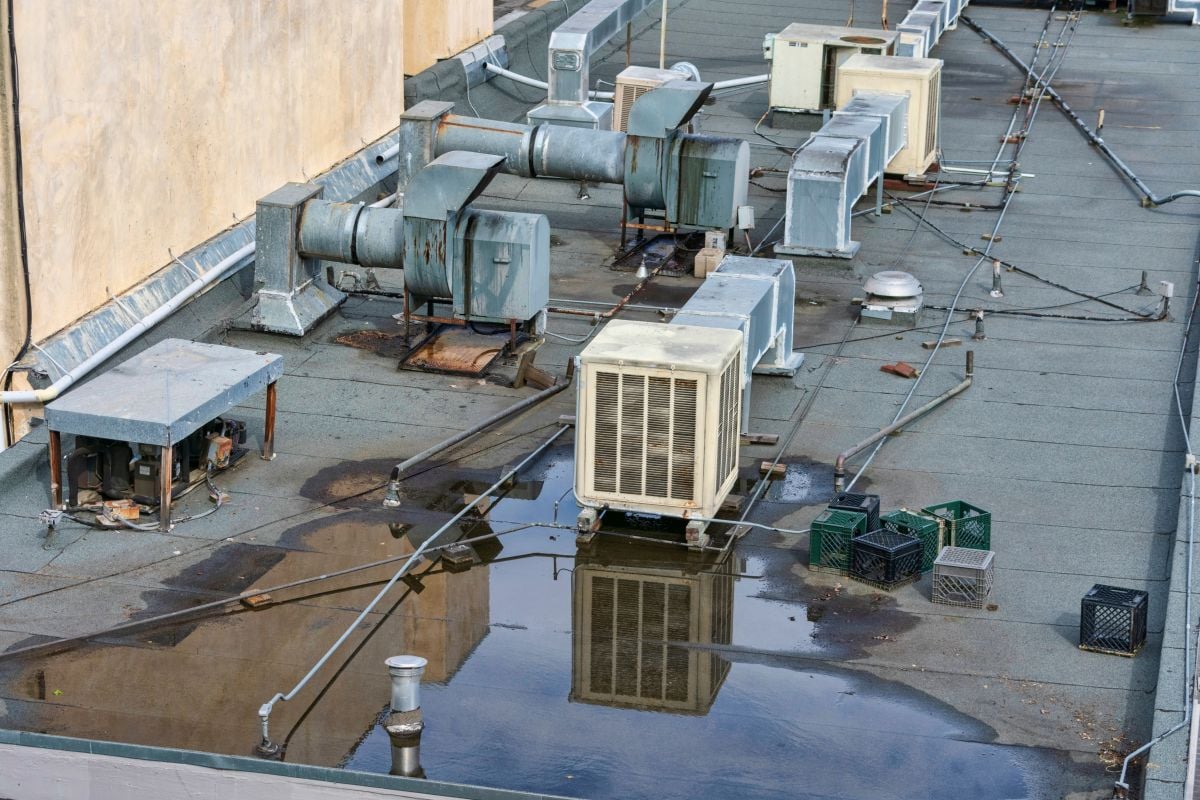
 02/24/2026
 5 minutes Read
Commercial roof storm damage can disrupt operations, threaten safety, and lead to costly repairs if not addressed quickly and correctly. When severe weather strikes, building owners must act quickly and safely to prevent further property loss and protect occupants. Knowing what steps to take immediately after a storm can make all the difference between minor cleanup and a full-scale replacement.
For property owners and facility managers in Ballantyne and surrounding areas, strong winds, hail, and heavy rain can put even the most durable roofing systems to the test. A structured response plan ensures your commercial roof remains safe, secure, and ready for restoration.
- Safety first: Protect occupants and employees before inspecting or repairing any damage.
- Minimize downtime: Fast action helps keep your business operational after severe weather.
- Prevent escalation: Early detection and documentation reduce long-term repair costs.
Understanding Commercial Roof Storm Damage
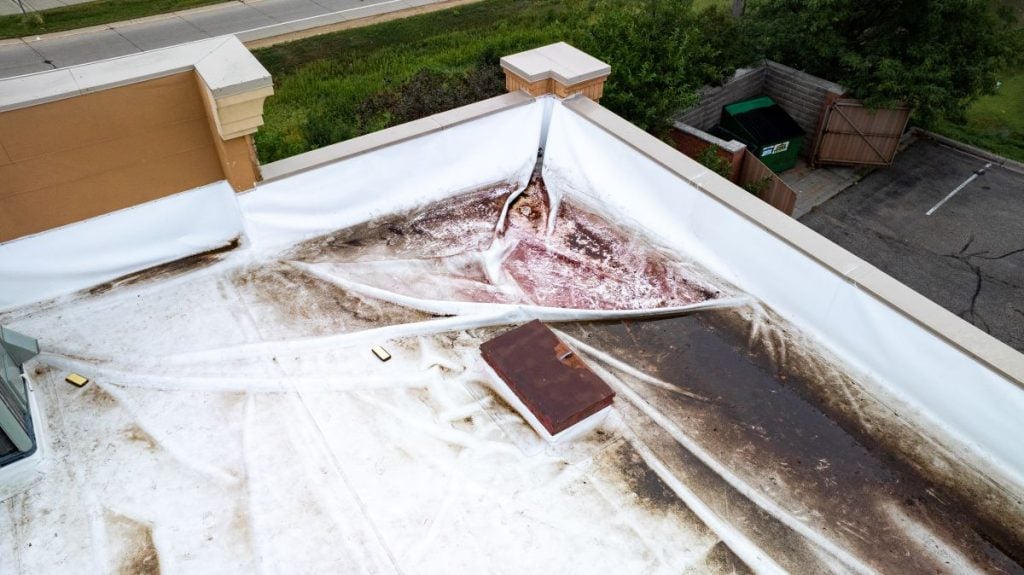
Commercial roofing systems, whether flat, low-slope, or metal, are designed for durability, but extreme weather can still cause significant issues. Storms can lift membranes, dislodge flashing, and create punctures that compromise insulation and structure.
In Ballantyne and surrounding areas, where seasonal storms and high humidity are common, regular maintenance and a post-storm safety checklist help building owners avoid costly shutdowns and property loss.
8 Step Checklist for Handling Storm Damage
After a storm, it’s critical to assess your commercial roof carefully while maintaining a strict focus on safety. Below are the key steps to follow.
1. Ensure Building and Personnel Safety
Before anyone approaches the roof, confirm that the building is safe for entry. Structural instability or electrical hazards may be present.
- Evacuate unsafe areas: Keep employees and tenants away from affected zones.
- Turn off power if needed: Prevent electrical shocks from exposed wiring.
- Contact emergency services: Call professionals if the building has major structural compromise.
2. Inspect the Interior First
Begin inside the property before climbing to the roof. Interior signs often reveal where damage is most severe.
- Look for leaks or ceiling stains: These may indicate punctures or drainage failures.
- Check insulation and ceilings: Water damage here often points to roof membrane breaches.
- Document moisture accumulation: Note affected areas for insurance and repair assessment.
3. Perform a Visual Exterior Inspection (From the Ground)
Until professionals arrive, limit inspections to the ground level. Binoculars or drones can safely help identify visible issues.
- Look for loose materials: Roofing panels, insulation, or flashing displaced by wind.
- Check drainage systems: Gutters, scuppers, and downspouts often clog after storms.
- Identify debris accumulation: Heavy buildup can lead to ponding or added structural stress.
4. Avoid Walking on the Roof
It’s tempting to inspect damage up close, but walking on a storm-damaged roof is extremely dangerous. Hidden structural weaknesses or wet membranes can lead to slips, falls, or collapses.
- Wait for professionals: Certified roofers have the right equipment for safe inspection.
- Restrict access: Block off ladders or roof entries until cleared for safety.
- Monitor from a distance: Use cameras or drones when possible to gather preliminary visuals.
5. Document All Visible Damage
Accurate documentation is essential for both insurance claims and repair planning.
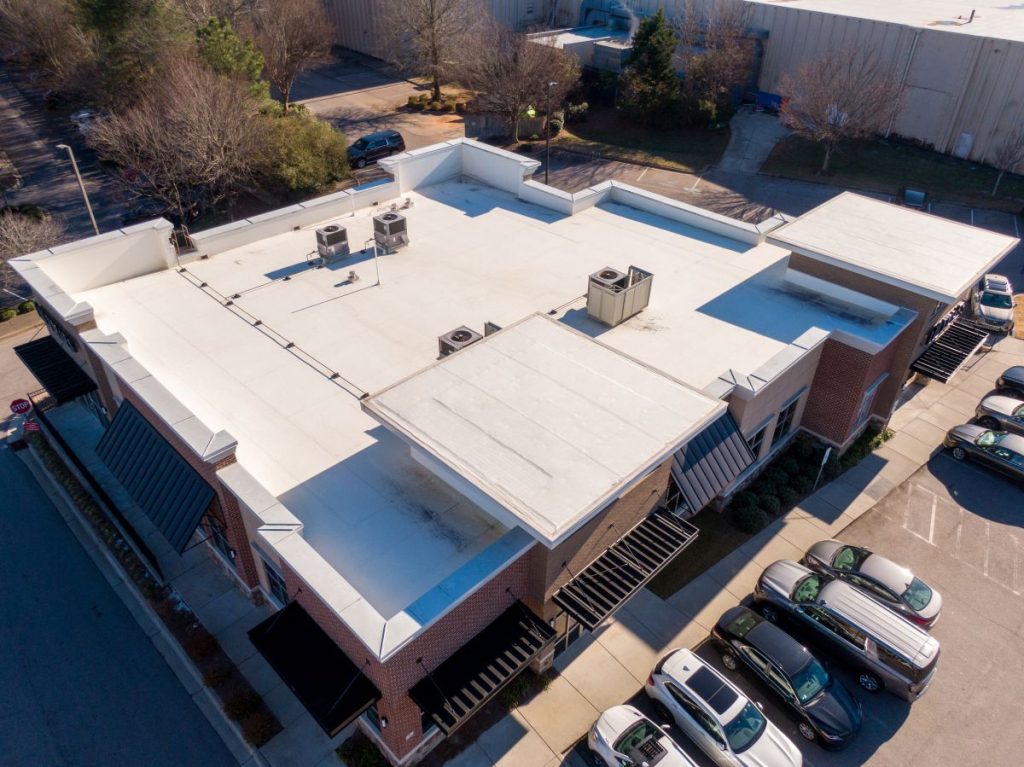
- Take clear photos: Capture wide and close-up shots of all visible damage.
- Record timestamps: Note when photos and videos were taken for claim verification.
- Keep maintenance records: Prior inspection reports support your claim’s credibility.
6. Contact a Professional Roofing Contractor
After initial safety checks, reach out to a qualified commercial roofing specialist. Experienced professionals can evaluate hidden damage and determine whether repairs or replacements are necessary.
- Schedule an emergency inspection: The sooner it’s done, the faster restoration can begin.
- Request a detailed report: Documentation should include photos, material assessments, and repair recommendations.
- Ask about temporary protection: Tarps or sealants may be applied to prevent further leaks.
7. File an Insurance Claim Promptly
Timely claim filing ensures faster coverage processing and prevents delays in funding.
- Contact your provider: Report storm damage immediately after professional confirmation.
- Provide detailed documentation: Include photos, inspection reports, and repair estimates.
- Track communication: Maintain written records of all claim-related correspondence.
8. Schedule Repairs and Preventive Maintenance
Once insurance is approved, begin repairs as soon as possible. Waiting can worsen damage and increase costs.
- Prioritize critical repairs: Address leaks, punctures, and structural issues first.
- Establish a maintenance plan: Regular inspections every six months help prevent future damage.
- Upgrade materials: Consider impact-resistant membranes or coatings for better storm resilience.
Common Signs of Hidden Storm Damage
Some commercial roof storm damage isn’t immediately visible but can lead to major problems if ignored.
- Blistering or bubbling membranes: Indicates trapped moisture under the surface.
- Sagging or pooling areas: Suggests insulation compression or drainage failure.
- Damp ceilings or walls: Points to small leaks spreading through interior spaces.
- Unusual odors: Mold or mildew from trapped water inside insulation layers.
Regular inspections from certified commercial roofing contractors in Ballantyne and surrounding areas help detect and fix these problems early.
How to Prepare for Future Storms
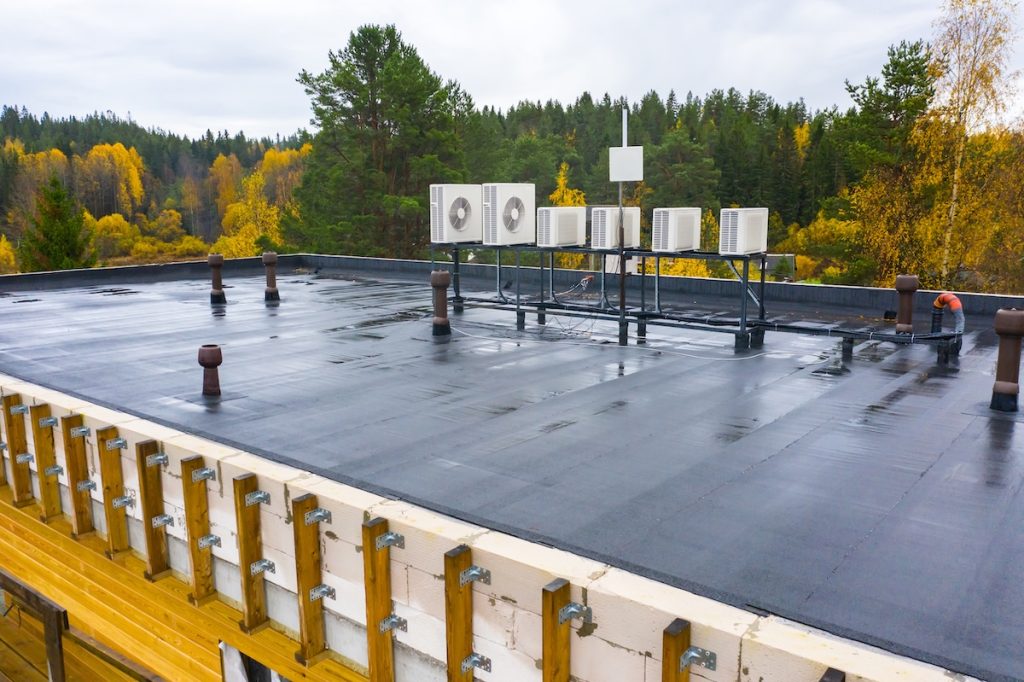
Proactive maintenance can greatly reduce the impact of future weather events.
- Inspect before storm season: Identify vulnerabilities and repair loose flashing.
- Clean debris regularly: Keeps drainage systems clear and functional.
- Invest in roof coatings: Adds an extra layer of protection against hail and UV damage.
- Maintain detailed records: Consistent documentation ensures smooth insurance claims.
Protect Your Business From the Next Storm
Commercial roof storm damage can cause significant downtime, financial loss, and safety risks if not handled properly. Following a clear safety checklist and working with trusted professionals helps protect your building and your business long-term.
Roof Medic proudly assists property owners in Ballantyne and surrounding areas with post-storm inspections, maintenance, and restoration guidance tailored to commercial facilities.
Reach out to Roof Medic today for expert guidance on managing commercial roof storm damage and keeping your building secure year-round.
