704.228.7788
 12/23/2025
 5 minutes Read
Commercial roof coatings have become one of the most effective ways to extend a roof’s lifespan, improve energy efficiency, and protect against weather damage. These liquid-applied systems form a seamless barrier over your existing roof, restoring its performance without the cost and disruption of a full replacement. For building owners, understanding how coatings work — and when to apply them — is key to maximizing their value.
In Raleigh and surrounding areas, where seasonal storms, UV exposure, and humidity can wear down commercial roofs, coatings provide a cost-effective solution for long-term protection. This guide explores how commercial roof coatings work, their main advantages, and what business owners should know before scheduling an application.
- Affordable protection: Coatings extend the life of existing roofs without the high cost of replacement.
- Energy efficiency: Reflective materials reduce heat absorption and lower cooling expenses.
- Low disruption: Most coatings can be applied with minimal interference to daily business operations.
What Are Commercial Roof Coatings?
Commercial roof coatings are fluid-applied membranes designed to protect and extend the life of existing roofing systems. Once cured, they create a flexible, waterproof surface that seals cracks, reinforces seams, and improves reflectivity.

Common Roof Types Suitable for Coatings
Not every commercial roof qualifies for coating applications, but most single-ply, metal, and built-up roofs are ideal candidates.
- TPO and PVC membranes: Coatings restore surface flexibility and reflectivity.
- EPDM rubber roofs: Extend lifespan and reduce UV-related damage.
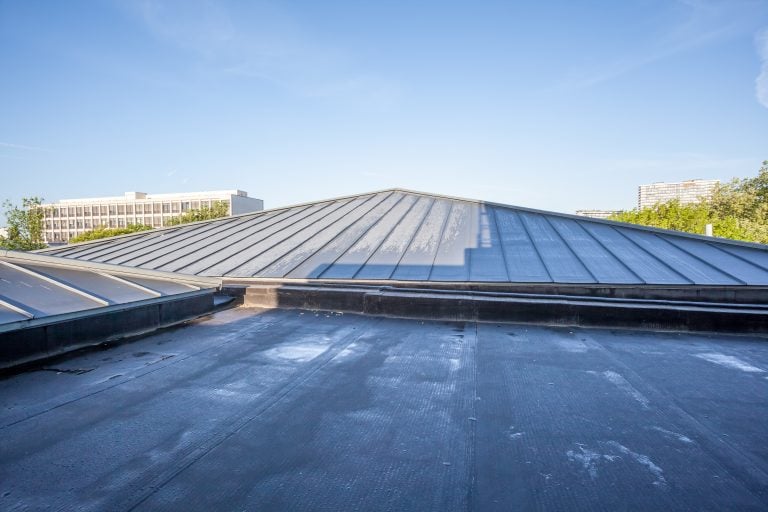
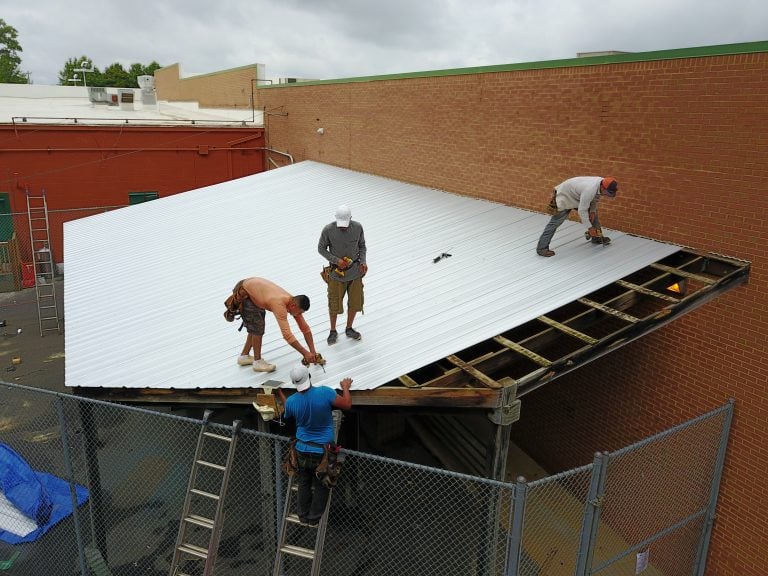
- Metal roofing: Prevents rust, corrosion, and seam leaks.
- Modified bitumen and built-up roofs: Adds weatherproof protection without tearing off old layers.
A professional roofing contractor can evaluate your building and recommend the best coating system based on existing roof materials and condition.
3 Benefits of Commercial Roof Coatings
Roof coatings offer a range of financial and functional benefits that make them especially appealing for cost-conscious building owners.
1. Cost Savings and Efficiency
- Reduced replacement costs: Avoids the expense of full tear-offs and disposal.
- Lower labor costs: Quick installation means less disruption to business operations.
- Energy efficiency: Reflective coatings reduce rooftop heat and help lower cooling bills.
By choosing a high-quality coating, building owners in Raleigh and surrounding areas can save money upfront and continue saving through reduced maintenance needs.
2. Extended Roof Lifespan
Roof coatings protect against the most common causes of deterioration, including UV rays, ponding water, and temperature fluctuations.
- Seamless waterproofing: Prevents leaks and surface cracking.
- UV resistance: Reflective materials protect against heat and sunlight degradation.
- Flexible protection: Expands and contracts with temperature changes without splitting.
A well-applied coating can add 10–20 years of performance to an existing roof.
3. Environmental Advantages
Many coatings support sustainability initiatives by reducing waste and improving building energy performance.
- Reduced landfill waste: Avoids unnecessary roof tear-offs.
- Cool roof technology: Reflects sunlight and helps reduce urban heat island effects.
- VOC-compliant materials: Meets or exceeds environmental air quality standards.
For business owners focused on sustainability and operational efficiency, coatings align well with green building goals.
Types of Commercial Roof Coatings
Choosing the right coating depends on your roof type, local climate, and maintenance needs. Here are the most common options used in commercial applications.
Acrylic Roof Coatings
Acrylic coatings are water-based, cost-effective, and ideal for reflective “cool roof” systems.
- High reflectivity: Reduces roof surface temperature.
- UV durability: Excellent for roofs exposed to constant sunlight.
- Affordable application: Lower upfront cost than other coating materials.
However, acrylic coatings may not perform as well on roofs with frequent ponding water.
Silicone Roof Coatings
Silicone coatings offer excellent waterproofing and durability, making them ideal for humid or storm-prone regions like Raleigh and surrounding areas.
- Outstanding water resistance: Perfect for flat roofs with drainage issues.
- Longevity: Maintains elasticity over time without cracking.
- Low maintenance: Requires minimal reapplication and upkeep.
Silicone coatings are often preferred for long-term performance and durability in challenging weather conditions.
Polyurethane Roof Coatings
Polyurethane coatings provide a strong, impact-resistant surface suitable for high-traffic or industrial roofs.
- Abrasion resistance: Withstands frequent foot traffic and mechanical equipment.
- Tough seal: Excellent adhesion to metal and asphalt-based roofs.
- Two-part system: Offers both base coat strength and topcoat UV protection.
This option is ideal for commercial buildings where maintenance crews regularly access the roof.
When to Apply a Roof Coating
Timing plays a crucial role in maximizing the effectiveness of a roof coating. Applying it too early or too late can affect performance and longevity.
Best Conditions for Application
- Mild weather: Temperatures between 50°F and 85°F ensure proper curing.
- Dry surface: Moisture-free conditions prevent adhesion failure.
- Routine inspections: Identifying minor roof issues early allows for easier coating prep.
Most building owners in Raleigh and surrounding areas schedule roof coatings during spring or fall to take advantage of favorable temperatures and low humidity.
How to Prepare for a Roof Coating Application
Proper preparation ensures strong adhesion and long-term performance.
- Clean the surface: Remove dirt, debris, and loose materials.
- Repair damaged areas: Address any punctures, cracks, or open seams.
- Prime if needed: Some roof types require a primer for optimal bonding.
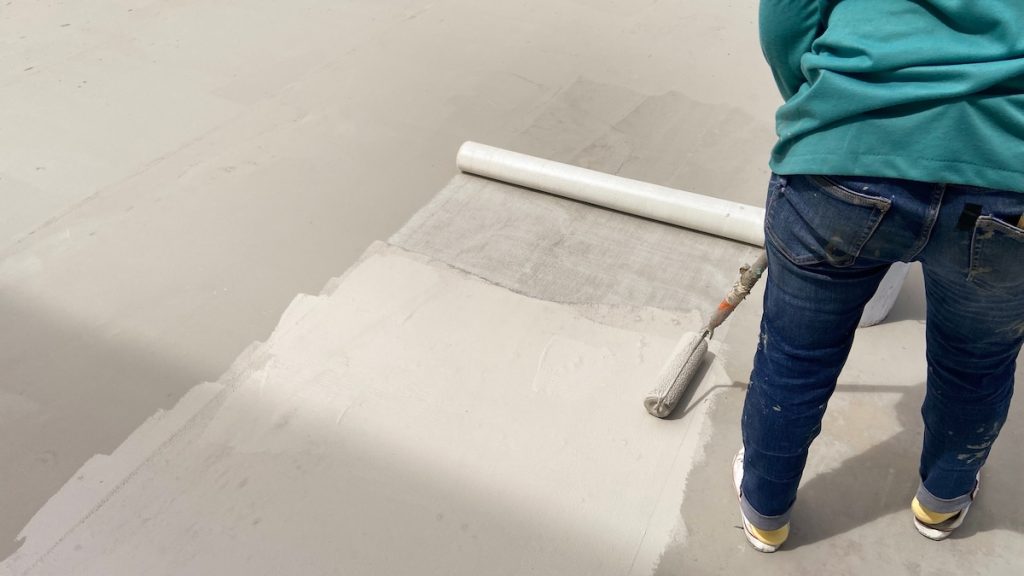
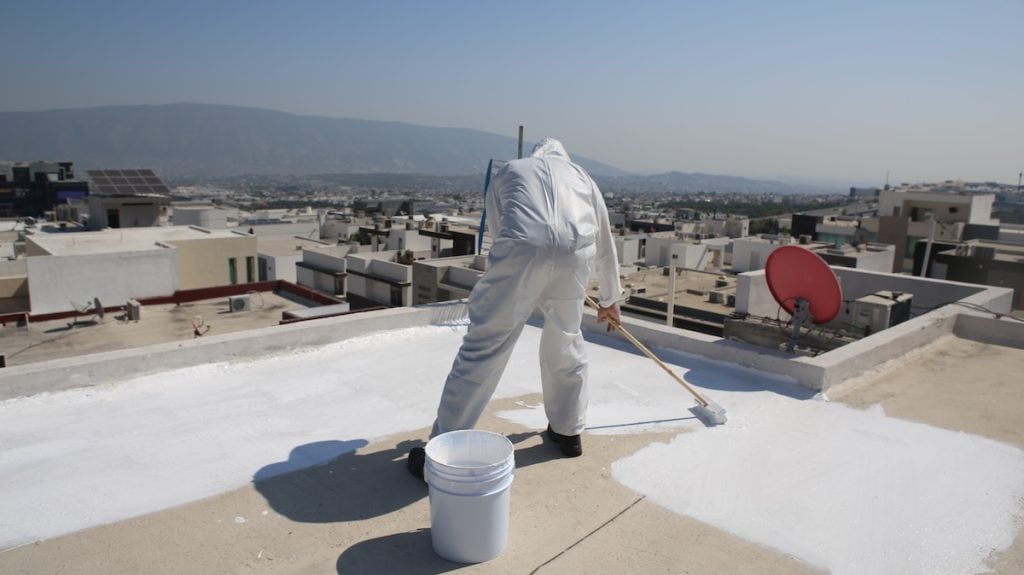
- Apply evenly: Professional contractors use sprayers or rollers for consistent coverage.
Hiring an experienced commercial roofer guarantees the application process meets manufacturer standards and warranty requirements.
Maintenance After Application
Once applied, roof coatings require minimal maintenance but should still be inspected regularly to ensure performance.
- Annual inspections: Detect early signs of wear or punctures.
- Clean debris: Keep drains and surfaces clear to maintain reflectivity.
- Recoat when needed: Most coatings can be refreshed every 10–15 years for continued protection.
Consistent upkeep helps ensure that your coating performs effectively throughout its expected lifespan.
A Smart Solution for Commercial Roof Longevity
Commercial roof coatings provide a proven, cost-effective way to protect your building and reduce long-term operating costs. Whether your property uses metal, TPO, or built-up roofing, the right coating can restore performance and extend roof life significantly.
Roof Medic proudly supports business owners in Raleigh and surrounding areas with expert commercial roofing solutions. When applied correctly, a coating system can transform your existing roof into a durable, energy-efficient asset.
Reach out to Roof Medic today for expert guidance on commercial roof coatings and long-term building protection.